The planetary wave headed for California isn’t what you think it is
Source Entity
Justine Calma
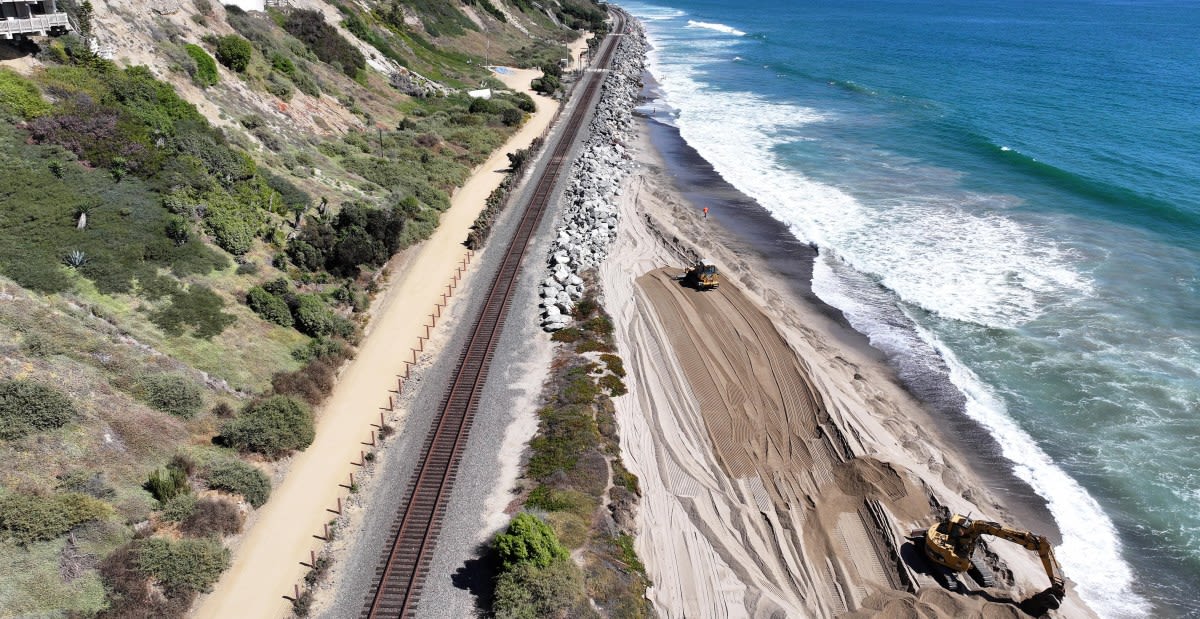
A Kelvin wave is currently moving across the Pacific toward California, transporting warm water that can elevate sea levels. While these are natural, common occurrences, this specific event may have more pronounced effects on coastal areas than usual.
Understanding the Pacific Kelvin Wave
A recent meteorological and oceanographic event involving a strong "planetary wave" currently moving toward California has captured public attention, often through sensationalized headlines. However, it is essential to demystify this phenomenon. This event is scientifically identified as a Kelvin wave, a common oceanic occurrence that facilitates the transport of warm water across the Pacific basin, typically moving water that is otherwise trapped in the western regions toward the Americas.
The Mechanics of Kelvin Waves
Kelvin waves are essentially large-scale oscillations in the ocean that occur when the trade winds weaken, allowing a pulse of warm surface water to propagate eastward along the equator. Far from being a "freak" occurrence, these waves are a standard component of Pacific climate dynamics. They serve as a primary mechanism for redistributing heat throughout the ocean, playing a significant role in the development and modulation of complex climate cycles like El Niño.
Impacts on Coastal Vulnerability
While the phenomenon is natural, its arrival at the coastline can have tangible consequences. The primary concern with this specific Kelvin wave is its ability to raise sea levels along the coast. For regions already grappling with coastal erosion, high tides, or infrastructure vulnerabilities, the arrival of this warm water mass can exacerbate existing challenges. It acts as a force multiplier, momentarily increasing the water height and potentially leading to more significant tidal impacts than those experienced under baseline conditions.
Distinguishing Fact from Sensationalism
It is critical to approach reports of such waves with scientific nuance. As experts note, if one were to physically look out at the ocean, the wave would not be visible in the way a storm surge or a tsunami might be. It is a slow-moving, massive redistribution of thermal energy rather than a singular, violent surface wave. The "trouble" referenced in viral headlines often stems from a misunderstanding of this scale; the impact is systemic and environmental rather than a sudden, localized catastrophe.
Broader Climate Implications
Looking ahead, the monitoring of such waves is vital for long-term climate modeling. By tracking how these pulses of warm water interact with coastal ecosystems and sea-level trends, researchers can better predict how vulnerable shorelines will respond to shifting ocean temperatures. While this specific event is not an existential threat, it highlights the importance of understanding the routine, yet powerful, forces that dictate the health and stability of our global oceans.
Conclusion
In summary, while the current Kelvin wave is stronger than average and warrants careful observation, it should be viewed as a predictable, albeit impactful, part of the Pacific's natural variability. By shifting the focus from alarmist rhetoric to scientific understanding, we can better prepare for the nuanced ways in which our oceans interact with the land, ensuring that coastal communities remain informed and resilient.