The bone–blood sugar connection: What osteocalcin has to do with glucose control
Source Entity
The Indian Express
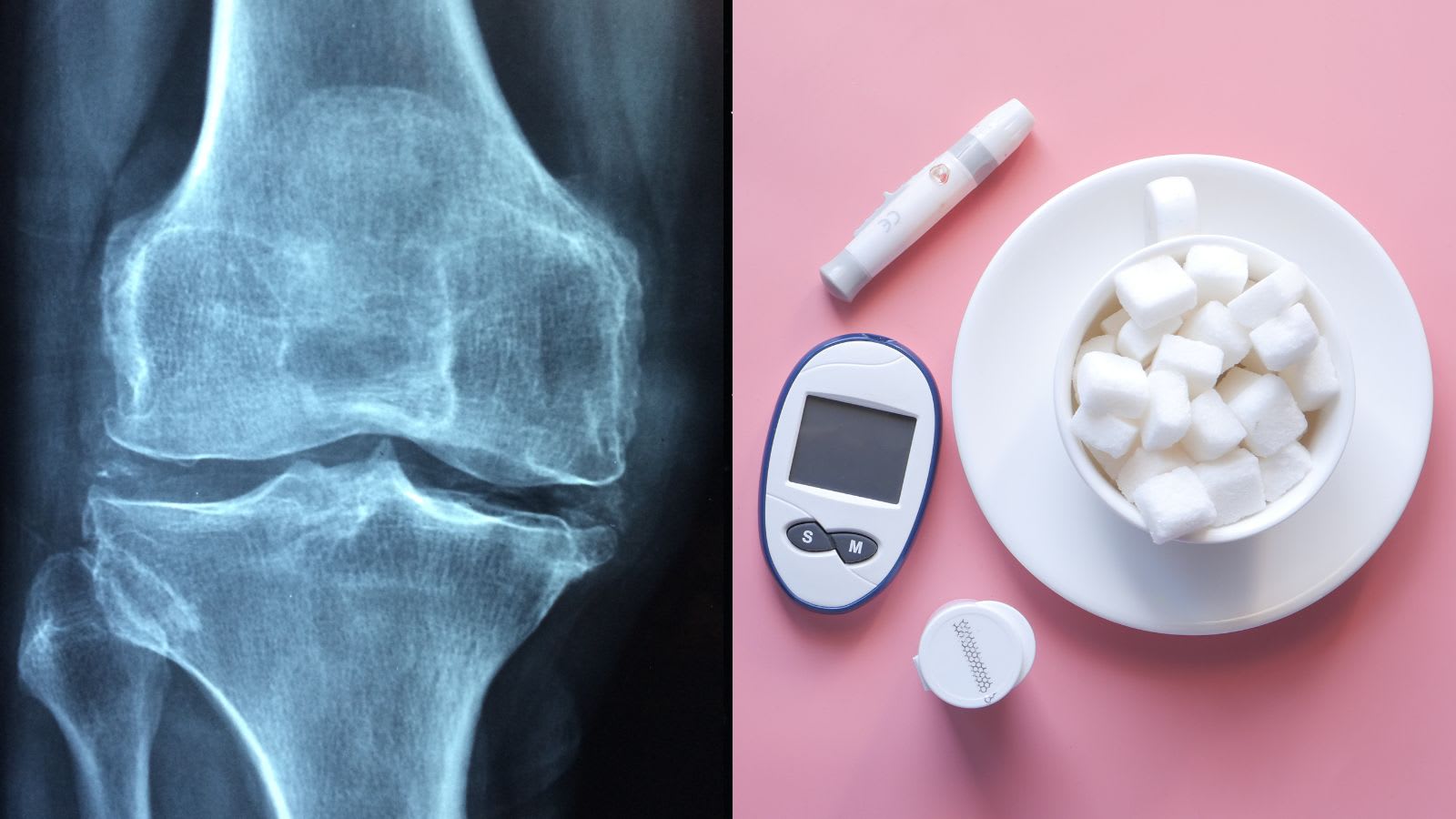
Emerging research highlights the skeleton as a metabolically active organ influencing glucose regulation. Scientists are studying how osteocalcin and bone metabolism signaling pathways interact with the body's blood sugar control systems.
The Skeleton as a Metabolic Regulator
For decades, the medical community has viewed the human skeleton primarily as a rigid, structural scaffolding designed to protect vital organs and facilitate locomotion. However, modern physiological research is challenging this static perception. New evidence suggests that bone is a highly dynamic, metabolically active tissue that does more than store minerals; it actively communicates with other organ systems to maintain internal homeostasis, particularly in the realm of glucose regulation.
Moving Beyond the Pancreas-Liver Axis
Conventionally, our understanding of blood sugar management has been tethered to the pancreas, liver, and skeletal muscles, primarily through the action of hormones like insulin. While these organs remain central to glucose metabolism, the discovery of the bone’s role introduces a new layer of complexity. Scientists are now investigating whether the processes of bone remodeling—the constant cycle of building and breaking down bone tissue—generate chemical signals that influence systemic metabolic pathways.
The Role of Osteocalcin
At the center of this investigation is osteocalcin, a protein secreted by bone-forming cells known as osteoblasts. Emerging studies suggest that this protein may act as a hormonal messenger, signaling to the pancreas to increase insulin production or to other tissues to improve insulin sensitivity. This communication loop positions the skeleton not just as a mineral reservoir, but as an endocrine organ capable of modulating the body’s energy balance.
Metabolic Implications
If the skeletal system is indeed a key player in glucose control, the implications for metabolic health are profound. Conditions such as type 2 diabetes and metabolic syndrome have long been treated by targeting the liver and pancreas. Understanding the bone-sugar connection could potentially unveil novel therapeutic targets, allowing clinicians to manage blood glucose levels by addressing bone health or stimulating specific bone-derived signaling pathways.
Future Research Trends
As research progresses, we expect to see a shift in how metabolic diseases are approached. The ongoing scientific inquiry into bone metabolism and its cross-talk with glucose regulation suggests that future treatments may involve dual-action approaches. By integrating orthopedic health with endocrinology, researchers hope to mitigate the chronic complications associated with dysregulated blood sugar, marking a significant evolution in our understanding of human physiology.