Mahabharata, Arthashastra, Rajatarangini Added To UNESCO Memory Register
Source Entity
NDTV News Search Records Found 1000
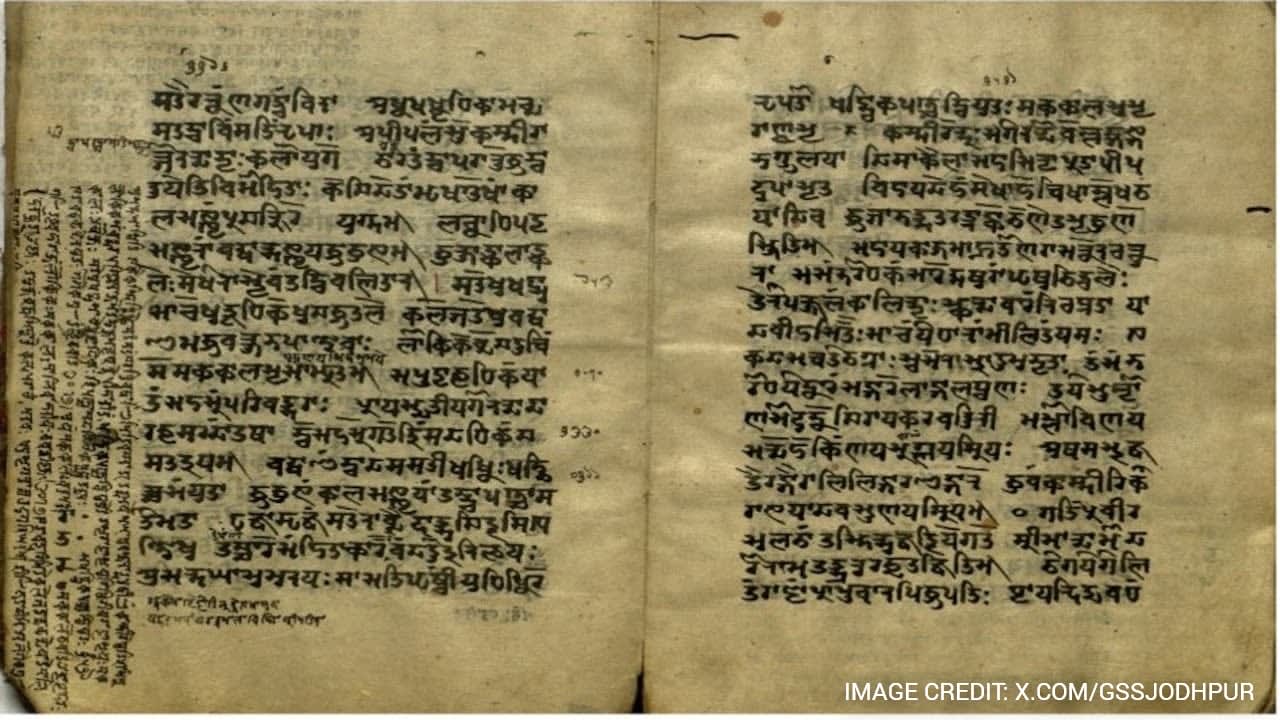
UNESCO has officially recognized several foundational Indian texts, including the Mahabharata, Arthashastra, and Rajatarangini, by adding them to its Memory of the World regional and global registers. This inclusion celebrates these manuscripts as vital components of global documentary heritage and civilizational history.
Global Recognition of India's Literary Heritage
In a significant development for global cultural preservation, UNESCO has formally recognized several foundational Indian manuscripts by inscribing them into its Memory of the World registers. The recent addition of the Mahabharata, Arthashastra, and Rajatarangini to the Asia-Pacific Regional Register, alongside the earlier 2025 inclusion of the Bhagavad Gita and Natyashastra into the international Memory of the World Register, marks a pivotal moment in the acknowledgment of India’s intellectual lineage. These documents are not merely ancient texts; they represent the bedrock of Indian philosophy, statecraft, and historical documentation.
The Pillars of Intellectual Development
The manuscripts represent a diverse spectrum of human knowledge. The Mahabharata, an epic of unparalleled scale, provides deep insights into ethical and social structures. Kautilya’s Arthashastra remains a foundational treatise on statecraft, economics, and governance, offering a sophisticated look at the administration of pre-modern states. Complementing these is Kalhana’s Rajatarangini, a 12th-century historical chronicle of Kashmir, which is highly regarded for its structured approach to recording historical events, serving as a rare example of chronological historiography in the medieval Indian context.
UNESCO's Memory of the World Mandate
The Memory of the World program, launched by UNESCO, aims to prevent the irrevocable loss of documentary heritage by ensuring its preservation and accessibility. By including these 74 new collections—which, as of April 2025, brought the total to 570 entries—UNESCO acknowledges that these Indian texts are essential to the global story of humanity. These inscriptions signify that the manuscripts are not only of regional importance but are of 'world significance' due to their influence on the development of literature, law, and performing arts.
Civilizational Significance and Official Recognition
Union Culture Minister Gajendra Singh Shekhawat and Prime Minister Narendra Modi have both lauded these inscriptions as a landmark achievement. By securing this international status, these documents are afforded greater protection and scholarly attention. The official recognition by UNESCO validates the immense effort involved in the conservation of these fragile manuscripts, ensuring that the intellectual contributions of the Indian subcontinent are archived for future generations according to international standards.
Implications for Global Historiography
The inclusion of these texts bridges gaps in global historical records. While Western traditions have long been centered in archival studies, the systematic recognition of the Natyashastra (on performing arts) and the Bhagavad Gita (on philosophy) forces a broader integration of Eastern thought into the global academic discourse. This movement toward a more inclusive history ensures that the diverse methods of knowledge transmission across civilizations—from the epic oral traditions of India to the administrative records of the Mauryan era—are preserved as common human heritage.
Future Trends in Heritage Preservation
Looking ahead, the success of these nominations suggests a trend toward increased international collaboration in digitizing and protecting non-Western documentary heritage. As UNESCO continues to expand the register, we can expect more emphasis on documents that detail the scientific, social, and political evolutions of the Global South. The preservation of these manuscripts is a testament to the enduring value of ancient knowledge systems in a modern, digital world, setting a precedent for how nations can champion their cultural assets on the global stage.
Verification Required?