Union minister returned ₹99-lakh subsidy he took for his cucumber farm: Govt to Parliament
Source Entity
Latest News: Todays Latest News Headlines from India & World | Hindustan Times | Hindustan Times
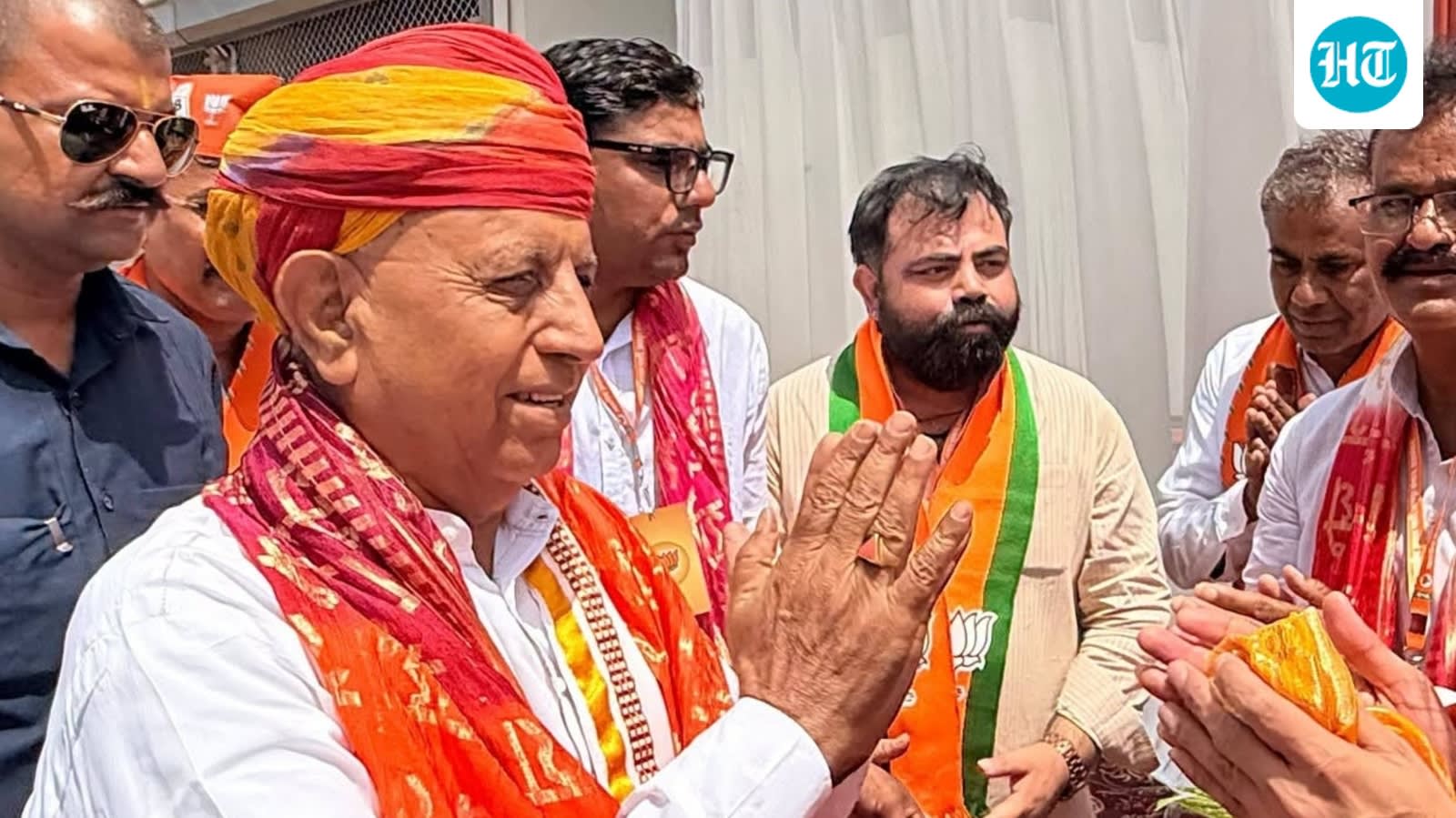
Union Minister Bhagirath Choudhary has refunded a ₹99-lakh government subsidy previously claimed for his private cucumber farm. The government confirmed the repayment in the Lok Sabha following questions regarding the assistance received under a National Horticulture Board scheme.
Minister Refunds Controversial Agricultural Subsidy
In a significant development reported to the Lok Sabha, Union Minister of State for Agriculture Bhagirath Choudhary has returned a ₹99-lakh subsidy that he previously availed for his private cucumber farm. The disclosure was made by MoS Ramnath Thakur in a formal written reply, confirming that the Ajmer MP had taken steps to refund the funds to the concerned bank. This move follows scrutiny regarding the intersection of personal agricultural ventures and government-administered financial assistance schemes.
The Nature of the Subsidy Program
The financial assistance in question was provided under the National Horticulture Board (NHB) schemes. These programs are specifically designed to incentivize the development of commercial horticulture, protected cultivation, and the establishment of cold chain infrastructure. By providing credit-linked back-ended capital investment subsidies, the government aims to empower farmers and entrepreneurs to modernize their operations. However, when a sitting minister becomes a beneficiary of a scheme overseen by their own ministry, it raises critical questions regarding transparency, conflict of interest, and the equitable distribution of public funds.
Context of the Repayment
While the government confirmed that the subsidy has been refunded, the timeline of this repayment remains unspecified. The initial assistance was granted to Choudhary in 2026. The act of returning the funds, regardless of the timing, serves as a corrective measure in the wake of public and parliamentary interest. It highlights the sensitivity surrounding the allocation of government grants to high-ranking officials, even when those officials are engaged in legitimate agricultural activities that the schemes are intended to promote.
Implications for Governance and Ethics
This incident underscores the broader necessity for stringent oversight in government subsidy programs. When public officials participate in schemes intended for the general agricultural community, the perception of impropriety can be as damaging as actual misconduct. The government's decision to address the matter in the Lok Sabha indicates a commitment to transparency, yet it also invites a deeper analysis of the eligibility criteria for such large-scale subsidies and whether current regulations effectively mitigate the risk of self-dealing among political figures.
Future Trends in Subsidy Oversight
Looking ahead, this case is likely to spark further legislative debate regarding the 'conflict of interest' policies within the Ministry of Agriculture. Future trends suggest a move toward more rigorous auditing of subsidy beneficiaries to ensure that political office does not provide an undue advantage. As the government continues to promote 'protected cultivation' and modern farming techniques to boost national yield, maintaining public trust in the distribution of these financial incentives will be paramount for the success of agricultural policy.
Verification Required?