United Airlines moves to block AI agents from its platform over security concerns
Source Entity
The Indian Express
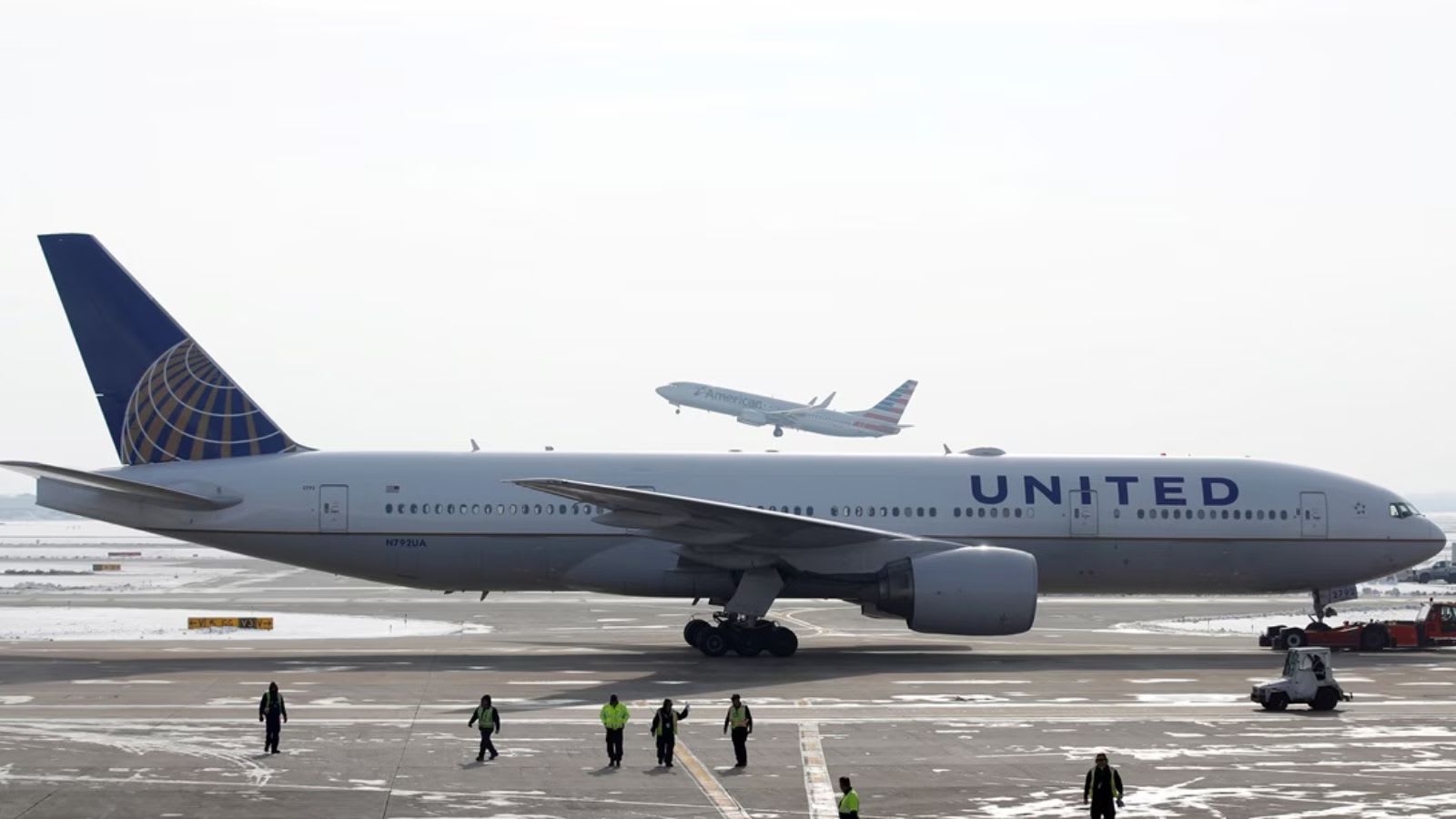
United Airlines has officially restricted AI agents from booking flights on its platforms, citing significant security and privacy risks. The airline is concerned about the exposure of sensitive customer data and the potential for regulatory non-compliance.
United Airlines Takes a Stand Against AI Booking Agents
United Airlines has officially announced a move to restrict artificial intelligence agents from accessing its digital platforms to book flights on behalf of travelers. This decision positions the airline as a vocal skeptic in the rapidly evolving landscape of AI-driven consumer tools. By citing concerns over data security and potential regulatory violations, United is signaling that it prioritizes controlled access over the convenience offered by third-party automation tools.
The Security and Privacy Dilemma
The core of United’s concern lies in the technical architecture of AI agents. To successfully book a flight, these autonomous tools often require users to provide sensitive credentials, including login information and payment details. United warns that sharing such data with third-party AI assistants creates a significant attack surface, potentially exposing customer information to breaches or unauthorized access. Furthermore, the airline fears that these agents might execute unintended purchases or misuse MileagePlus accounts, creating a liability nightmare for both the company and the consumer.
Navigating Federal Compliance
Beyond immediate security risks, United highlighted the challenge of maintaining regulatory compliance. Airline bookings are subject to strict federal rules regarding the transparency of information provided to passengers, such as hazardous materials disclosures or baggage attestations. If an AI agent completes a booking without ensuring the user has properly acknowledged these mandatory requirements, the airline could face legal and operational complications. By restricting these bots, United aims to ensure that every traveler interacts directly with the platform’s compliant booking flow.
A Divided Industry Approach
The broader business community remains deeply divided on the role of AI agents. While some companies, such as Amazon, have moved to block specific AI agents like Meta’s Muse, others like Walmart have chosen to pursue strategic partnerships. In the travel sector, the approach is similarly fractured; while United is tightening its digital borders, competitors and online travel agencies like Expedia and Booking are actively collaborating with firms like OpenAI to integrate AI into the travel planning experience.
Future Trends and Outlook
As AI agents become more sophisticated, the friction between service providers and automation tools will likely intensify. Currently, United notes that high-volume usage of AI for flight bookings is not yet widespread, allowing them to implement these restrictions proactively. However, as these tools become standard for personal assistants, airlines will be forced to decide between creating secure, sanctioned APIs for AI integration or continuing to build barriers against third-party access. For now, United is choosing the path of maximum control to protect its ecosystem.
Multiple Citing Sources