Unnati nicks battle of next gen at Taipei QF against Devika; Tanvi in semis too
Source Entity
Shivani Naik
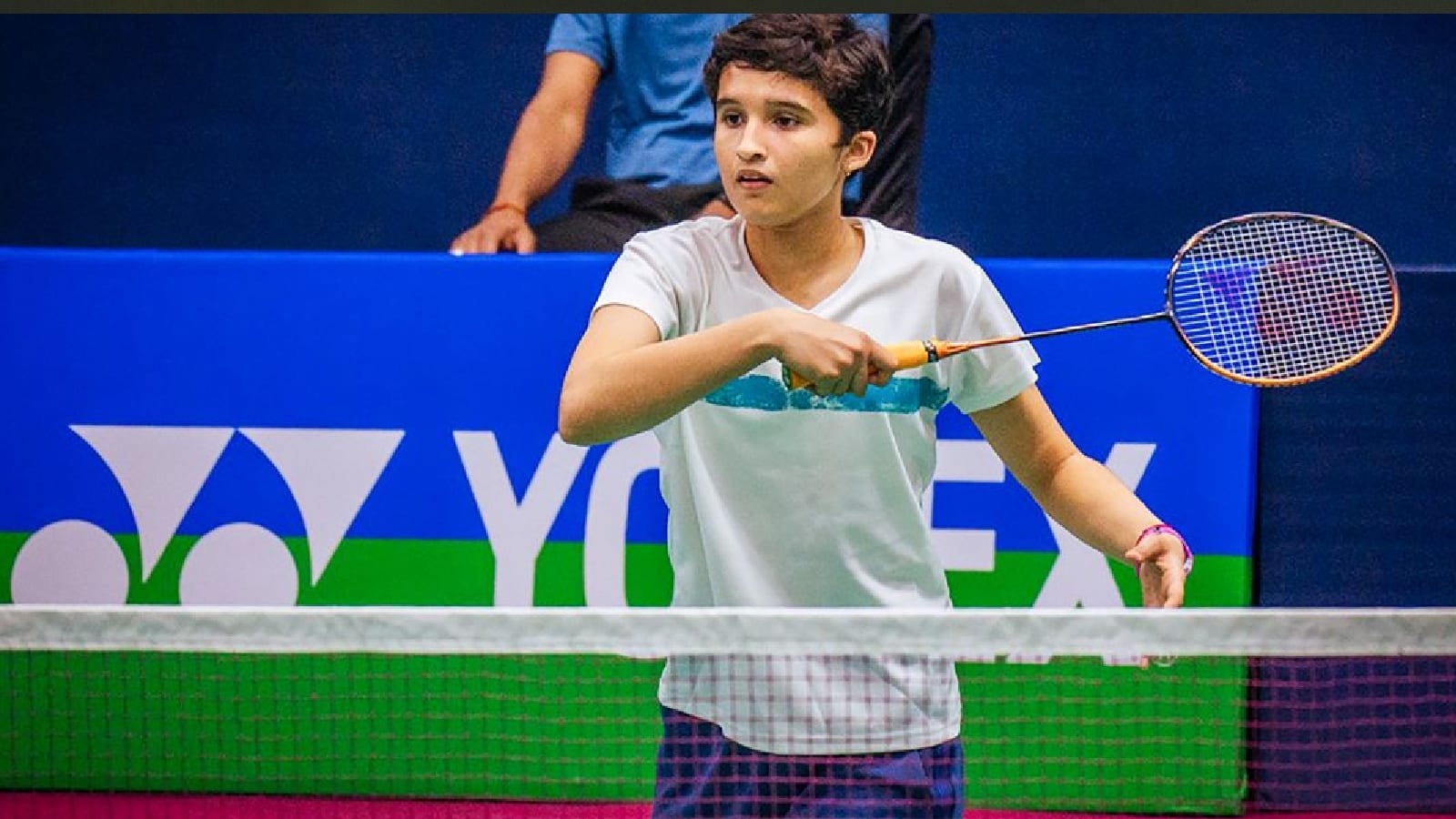
Rising Indian badminton stars Unnati Hooda and Devika Sihag faced off in the Taipei Open quarterfinals, marking a shift toward accepting court-side coaching in domestic rivalries. Unnati Hooda secured a victory to advance to the semifinals, signaling a bright future for India's young talent.
A New Era for Indian Badminton
The recent quarterfinals of the Taipei Open Super 300 tournament served as a microcosm for the evolving landscape of Indian badminton. As teen sensations Unnati Hooda and Devika Sihag clashed in their first-ever international encounter, it became clear that the sport is moving toward a more strategic, supported approach. The match, which saw 18-year-old Unnati Hooda defeat 21-year-old Devika Sihag with scores of 23-21, 21-16, highlights a generation that is increasingly prioritizing professional guidance over solitary navigation.
Breaking Tradition: The Rise of Court-side Coaching
Traditionally, Indian players facing off against compatriots in international tournaments often navigated matches without formal court-side coaching, leaving tactical adjustments entirely to the individual athlete's intuition. However, the willingness of these young players to utilize coaches during all-India matches represents a significant cultural shift. By embracing external input, these athletes are acknowledging that every tactical advantage—no matter how marginal—is essential when competing for prestigious titles on the international stage.
The Strategic Stakes of the Taipei Open
For players like Unnati Hooda and Devika Sihag, the Taipei Open is not merely another tournament; it is a critical testing ground. With Devika having already tasted title success earlier this season, the pressure was palpable. Conversely, Unnati, currently ranked 28th globally, has been consistently taking down higher-ranked opponents but remains in pursuit of her first major title. This victory for the Haryana-born teenager provides essential momentum as she prepares for her impending debut at the World Championships.
Technical Growth and Future Prospects
Unnati Hooda’s performance in Taipei demonstrated a maturity that belies her age. Her ability to manage the high-pressure environment of a quarterfinal, coupled with the strategic utilization of her support staff, suggests a professional evolution. This victory secures her a place in the semifinals, reinforcing her status as a standout prospect in a highly competitive field. The match served as a stark reminder that the gap between raw talent and elite consistency is often bridged by such tactical collaborations.
Analyzing the Broader Implications
This trend of embracing coaching in domestic-international matchups suggests that Indian badminton is fostering a more collaborative ecosystem. As these young players continue to refine their game, the normalization of coaching support will likely become a standard rather than an exception. By shedding the 'go-it-alone' mentality, the new generation of Indian shuttlers is better positioning itself to challenge global powers, ensuring that the country’s presence in international rankings remains robust and competitive for years to come.