Unnecessary surgeries & procedures in India
Source Entity
Latest News: Todays Latest News Headlines from India & World | Hindustan Times | Hindustan Times
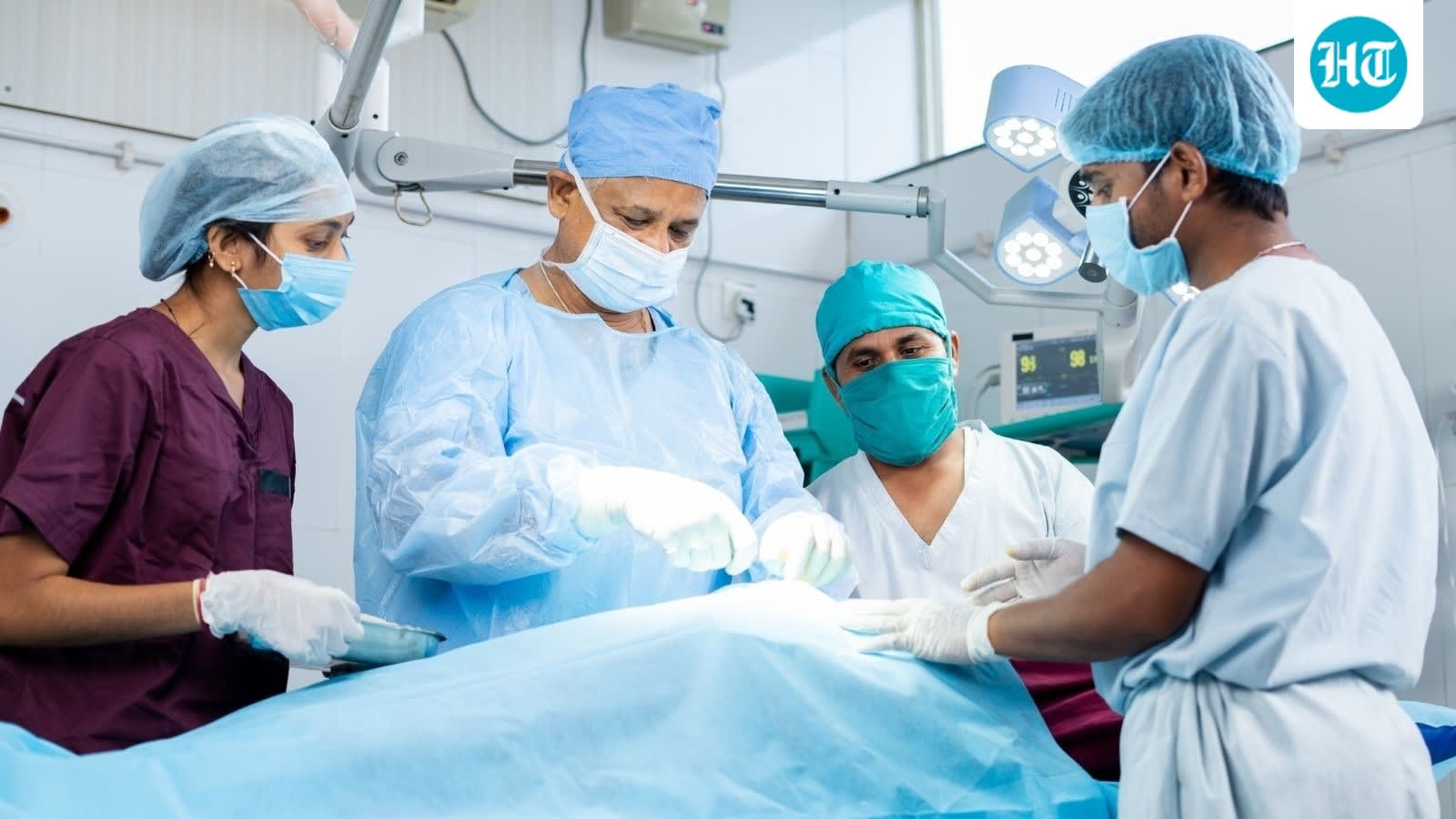
A 2026 BMJ study highlights the alarming prevalence of cholecystectomy in India, with estimates suggesting 1.8 crore surgeries between 2021 and 2025. The lack of a national surgical registry exacerbates concerns regarding unnecessary medical procedures and patient safety.
The Silent Crisis of Excess Surgery in India
The medical landscape in India is currently grappling with a significant challenge: the balance between technological medical progress and the ethical imperative of knowing when a procedure is truly necessary. Recent data from a 2026 BMJ Public Health review by Mohite et al. has brought this issue to the forefront, identifying cholecystectomy (gallbladder removal) as a primary tracer procedure for gauging the prevalence of unnecessary surgeries across the nation.
Staggering Statistics and Clinical Trends
According to the Mohite et al. study, approximately 32 lakh cholecystectomies were conducted in India during 2022 alone. When extrapolated over the five-year window from 2021 to 2025, researchers estimate that nearly 1.8 crore individuals have undergone this specific operation. These figures are not merely numbers; they represent a significant portion of the Indian population undergoing invasive procedures that, in many cases, may not be clinically indicated for every patient.
The Absence of National Oversight
One of the most pressing concerns highlighted by these findings is the absence of a comprehensive national registry for surgeries in India. Without a centralized system to track elective operations and their clinical indications, it becomes nearly impossible for regulatory bodies or public health experts to distinguish between life-saving medical interventions and cases of overtreatment. This lack of transparency masks the true scale of the problem and hinders the implementation of evidence-based surgical guidelines.
Implications for Patient Safety and Ethics
Beyond the raw data, the implications for patients are profound. Unnecessary surgeries carry inherent risks, including complications from anesthesia, potential post-operative infections, and long-term physiological changes. When a procedure is performed without a clear, evidence-based indication, the patient is exposed to these risks without the benefit of a therapeutic outcome. This practice challenges the fundamental medical tenet of 'first, do no harm,' and necessitates a critical review of current surgical practices.
Future Trends and Policy Needs
Moving forward, the medical community in India must prioritize the development of robust auditing mechanisms. The identification of cholecystectomy as a 'tracer procedure' suggests that by monitoring trends in this specific surgery, stakeholders can gain a clearer understanding of broader systemic issues. Addressing this will likely require a multi-faceted approach involving stricter clinical oversight, standardized surgical protocols, and increased transparency within private and public healthcare facilities.
Conclusion
The path toward a more sustainable healthcare model in India requires a shift in perspective—moving away from a volume-based surgical culture toward one defined by clinical necessity. By fostering a culture of accountability and establishing a national surgical database, India can begin to mitigate the risks of unnecessary procedures, ensuring that medical progress is measured by patient well-being rather than the frequency of the scalpel.
Verification Required?