Would rather die than be called a coward, says judge who gave 23 death sentences
Source Entity
India Latest News: Top National Headlines Today & Breaking News | The Hindu
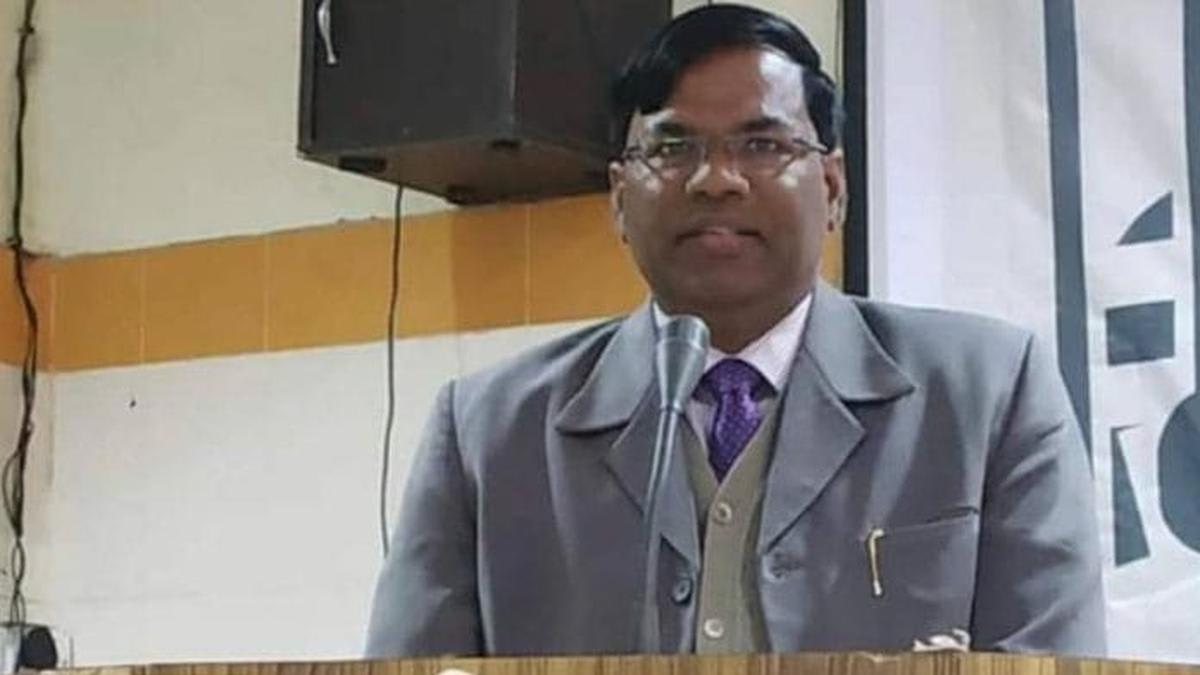
Judge Ravi Kumar Diwakar, known for high-profile rulings, has alleged systemic interference and threats from mafia elements in Uttar Pradesh. Meanwhile, the Allahabad High Court has separately reprimanded a different trial judge for procedural violations, highlighting current tensions in the state's judicial administration.
Judicial Integrity and Systemic Pressure in Uttar Pradesh
Recent developments in Uttar Pradesh’s judiciary have brought the complex interplay between legal independence, criminal intimidation, and procedural accountability to the forefront. Muzaffarnagar Additional District and Sessions Judge Ravi Kumar Diwakar recently made headlines by declaring he would rather face death than be perceived as a "coward." This stark assertion comes as the judge reports facing significant pressure from mafia and gangster elements, claiming that numerous cases have been withdrawn from his court specifically to benefit these criminal factions.
The Burden of 'Rarest of Rare' Sentencing
Judge Diwakar’s declaration was made while delivering a death sentence in a brutal 2018 dowry-murder case, marking his 23rd capital punishment ruling in just five months. By labeling the murder of Shahzadi by her husband, Mohd. Nadeem, as "extremely brutal and barbaric," the court invoked the "rarest of rare" doctrine. This judicial posture reflects a rigid approach to sentencing, but it also places the presiding officer in the direct crosshairs of those affected by these stringent legal outcomes.
Historical Context of Judicial Scrutiny
This is not the first time Judge Diwakar has been the subject of public and legal attention. He previously gained national prominence in 2022 when he permitted a court-ordered survey of the Gyanvapi mosque premises in Varanasi. Such high-profile cases inherently attract intense scrutiny and, as the judge now alleges, systemic efforts to undermine his authority through the transfer of cases, which he characterizes as a maneuver to grant leniency to organized crime syndicates.
Accountability within the Judiciary
While Judge Diwakar highlights external pressures, the broader judicial landscape in Uttar Pradesh is also facing internal scrutiny regarding procedural adherence. In a separate matter, the Allahabad High Court recently admonished a different trial court judge for a "blatant and flagrant" violation of its directives. Justice Raj Beer Singh noted that the judge in question proceeded with a full-fledged trial despite explicit orders to resolve a case based on a pre-existing compromise application, leading to an arbitrary and illegal legal process.
Broader Implications for the Legal System
These events underscore a dual-layered crisis. On one hand, there is the struggle for judicial independence against external criminal intimidation, as evidenced by Judge Diwakar’s courageous stance against alleged mafia interference. On the other hand, there is the persistent necessity for judicial officers to adhere strictly to procedural mandates from higher courts, as demonstrated by the Allahabad High Court’s intervention. Together, these stories paint a picture of a judiciary under immense strain, balancing the need for firm justice against the requirements of administrative discipline and personal safety.
Future Trends and Judicial Resilience
Moving forward, the judiciary in Uttar Pradesh will likely face increased pressure to implement stricter security measures for officers presiding over sensitive matters involving organized crime. Furthermore, the tension between trial court autonomy and High Court oversight is expected to remain a critical theme. The discourse surrounding "cowardice" versus "conscience" serves as a reminder that the perceived legitimacy of the rule of law rests heavily on the personal resolve of the judiciary in the face of both external threats and internal procedural failures.
Multiple Citing Sources
Verification Required?