UPSC Key: Bhojshala Dispute, Taslima Nasreen and Virtual Courts
Source Entity
Priya Kumari Shukla
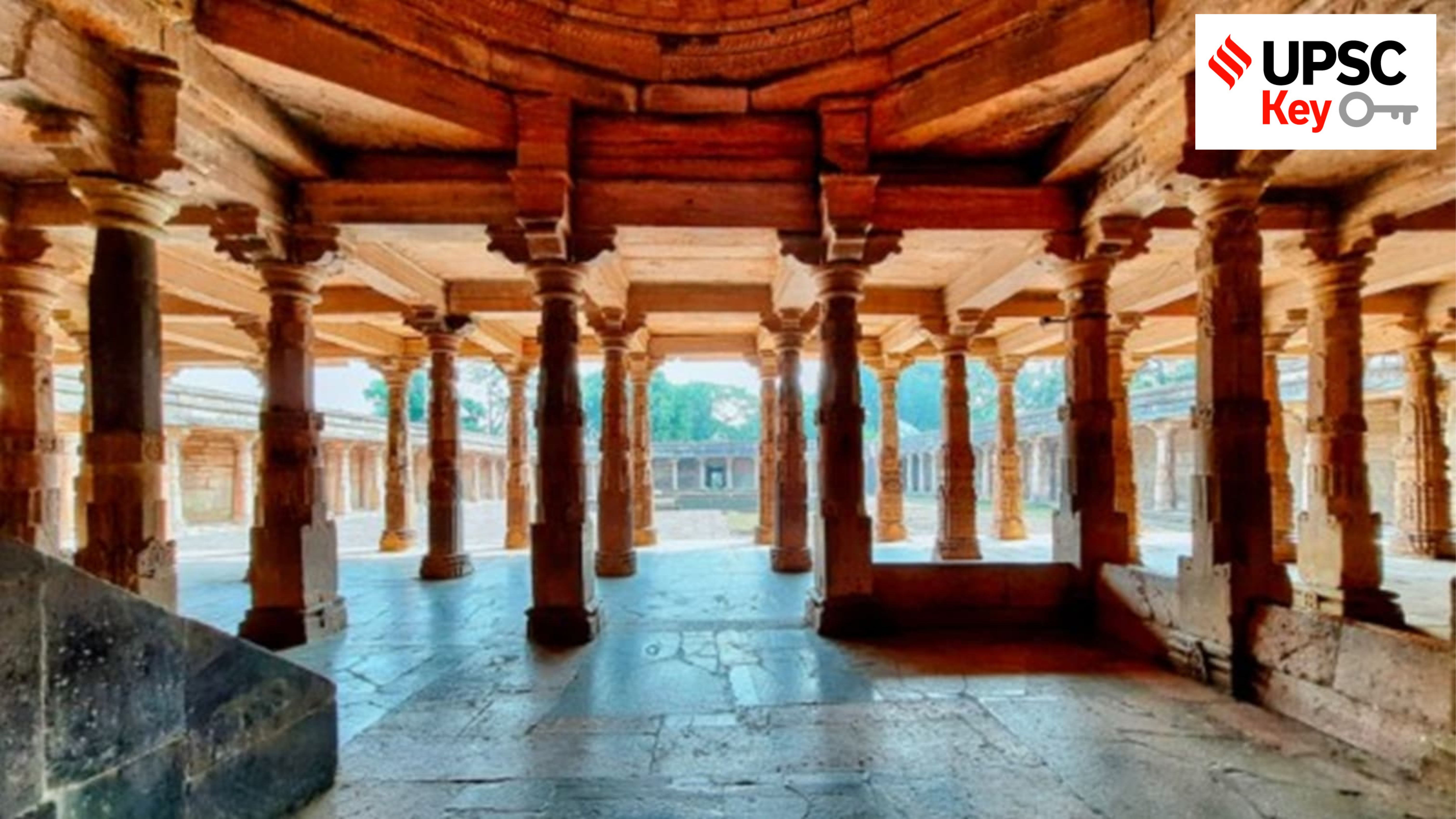
An analysis of the key topics identified for the UPSC CSE exam on July 15, 2026, focusing on the legal intricacies of the Bhojshala dispute, the freedom of expression issues surrounding Taslima Nasreen, and the technological shift toward Virtual Courts in India.
Analysis of UPSC Key Topics: July 15, 2026
Introduction
The "UPSC Key" serves as a critical curation tool for candidates preparing for the Union Public Service Commission (UPSC) Civil Services Examination, distilling complex current affairs into exam-relevant themes. The selection of topics for July 15, 2026—specifically the Bhojshala dispute, the case of Taslima Nasreen, and the implementation of Virtual Courts—highlights a multidisciplinary focus. These topics intersect at the junction of constitutional law, sociology, and governance, reflecting the UPSC's objective to test an aspirant's ability to analyze the tension between historical grievances, individual liberties, and modern administrative efficiency.
The Legal and Historical Complexity of the Bhojshala Dispute
The inclusion of the Bhojshala dispute underscores the ongoing tension in India regarding contested religious sites and the interpretation of the Places of Worship (Special Provisions) Act, 1991. The dispute over the Bhojshala in Madhya Pradesh is not merely a local conflict but a significant legal touchstone for the Supreme Court's approach to balancing faith and law. For UPSC aspirants, this topic necessitates an understanding of the 'doctrine of necessity' and the judicial precedents set by cases like the Ayodhya dispute. The analysis of this event requires a deep dive into how the judiciary manages communal harmony while adjudicating claims of historical ownership, which is a recurring theme in Indian polity and governance.
Freedom of Expression and the Case of Taslima Nasreen
The mention of Taslima Nasreen pivots the analytical focus toward the fundamental rights guaranteed under Article 19(1)(a) of the Indian Constitution. Nasreen's long-standing legal battles and the controversies surrounding her writings bring to the forefront the debate over 'reasonable restrictions' on free speech, specifically regarding public order and religious sentiment. By studying this case, aspirants must evaluate the thin line between provocative art/literature and hate speech. This topic is essential for the Ethics (GS IV) and Polity (GS II) papers, as it asks candidates to weigh the state's duty to protect individual expression against its responsibility to prevent civil unrest.
The Digital Evolution of Justice: Virtual Courts
Shifting from social and religious conflict to administrative modernization, the focus on Virtual Courts represents the digital transformation of the Indian judiciary. The move toward e-courts is a response to the systemic issue of judicial pendency, which has plagued the Indian legal system for decades. Virtual courts aim to democratize access to justice by reducing the need for physical presence, thereby lowering costs for litigants in remote areas. However, this transition also introduces the 'digital divide' as a critical sociological concern. Analysis of this trend involves examining the infrastructure requirements, the security of digital evidence, and the psychological shift in legal proceedings from traditional courtrooms to screens.
Interdisciplinary Relevance for Civil Service Aspirants
When viewed together, these three topics create a comprehensive study map of the contemporary Indian state. The Bhojshala dispute represents the historical-legal challenge; Taslima Nasreen represents the sociocultural-rights challenge; and Virtual Courts represent the technological-administrative solution. This curation suggests that the UPSC is looking for candidates who can synthesize information across different domains. For instance, the ability to discuss how virtual courts might one day handle the filing of petitions in sensitive land disputes like Bhojshala, or how digital platforms can be used to monitor and mitigate the fallout of controversial speech, demonstrates the high-level synthesis required for the Mains examination.
Future Trends in Judicial and Social Governance
Looking forward, these topics suggest a trend toward the 'judicialization' of social conflicts and the 'digitalization' of state functions. We can predict that the Supreme Court will continue to refine the guidelines for contested sites to avoid repetitive litigation. Simultaneously, the evolution of virtual courts is likely to lead to a hybrid judicial model where routine matters are handled digitally, leaving physical courts for complex oral arguments. The tension surrounding figures like Nasreen will likely evolve as India navigates the complexities of globalized digital discourse, where speech is no longer confined by national borders, forcing the state to rethink its approach to censorship and protection.
Conclusion
In summary, the UPSC Key for July 15, 2026, provides a snapshot of the critical challenges facing the Indian Republic. By linking the Bhojshala dispute, the rights of Taslima Nasreen, and the rise of Virtual Courts, the curriculum emphasizes the necessity of a balanced approach to governance—one that respects history, protects liberty, and embraces technology. For any aspiring administrator, mastering these topics is not just about memorizing facts, but about understanding the delicate equilibrium required to maintain a pluralistic democracy in a digital age.