Rs 1.5 Crore For 1-BHK Flat: Math That Locks Out Urban Middle Class
Source Entity
NDTV News Search Records Found 1000
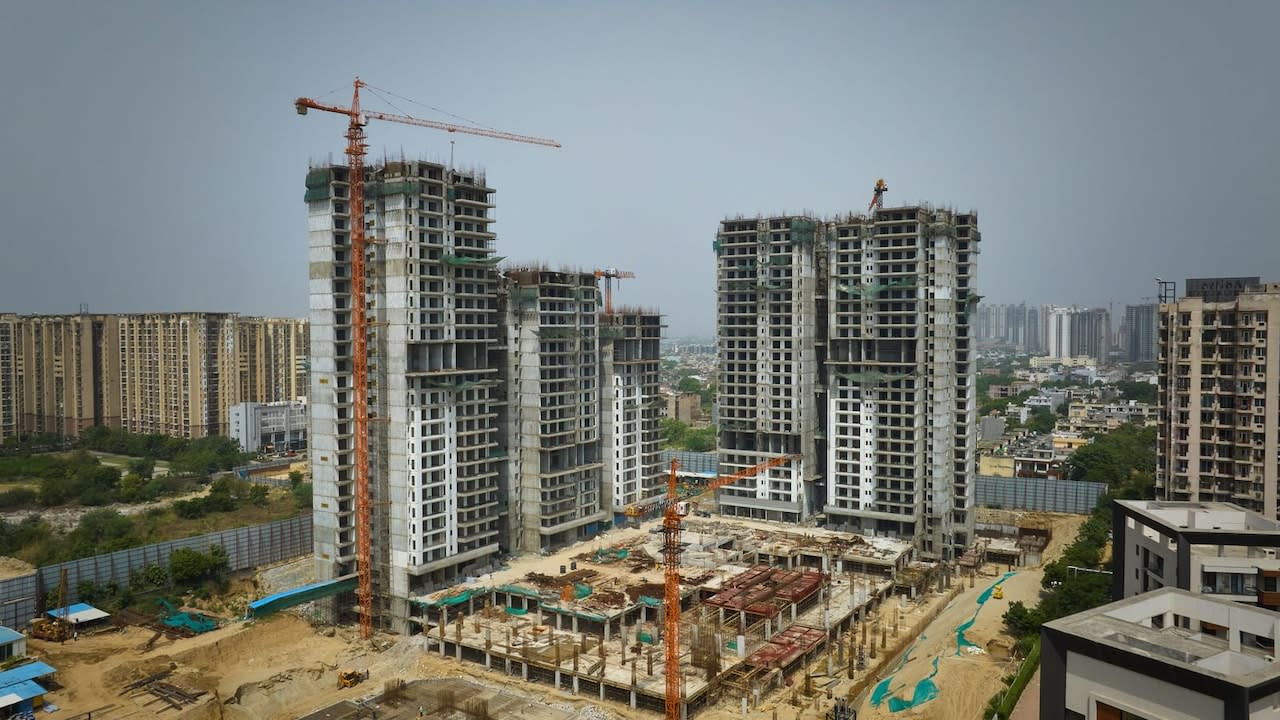
India's real estate market faces a widening gap as urban 1-BHK flats now reach prices of Rs 1.5 crore. This surge significantly exceeds the government's official affordable housing threshold of Rs 45 lakh, effectively excluding the middle class from home ownership.
The Crisis of Urban Affordability
The Indian real estate landscape is currently grappling with a severe disconnect between market reality and policy definitions. With 1-BHK apartments in major metropolitan centers now commanding prices as high as Rs 1.5 crore, the dream of homeownership is increasingly slipping out of reach for the average urban middle-class professional. This price point represents a staggering departure from the government’s benchmark for affordability, which remains pegged at Rs 45 lakh or less.
Disparity Between Policy and Market Reality
The official classification of 'affordable housing' at Rs 45 lakh serves as a critical policy anchor, often used to determine eligibility for tax incentives, lower interest rates, and government-backed subsidies. However, when actual market prices for entry-level units climb to triple that figure, the policy becomes functionally obsolete for the demographic it was intended to serve. This gap highlights a structural failure in urban planning and housing supply chains that struggle to keep pace with rapid urbanization.
The Economic Burden on the Middle Class
For the middle class, the implications of this price inflation are profound. When a basic 1-BHK unit—the smallest residential configuration—is priced at Rs 1.5 crore, it necessitates a level of debt servicing that can cripple household finances for decades. This shift forces many potential buyers to either move further into the periphery, increasing commuting times and infrastructure strain, or abandon the prospect of ownership entirely in favor of long-term renting.
Historical Context and Urbanization Trends
Historically, the rise in property values in cities like Mumbai, Delhi, and Bengaluru has been driven by land scarcity and speculative investment. As urban centers expand, the cost of land acquisition has skyrocketed, leaving developers with little incentive to build 'affordable' units when high-end luxury developments offer significantly higher profit margins. The persistence of this trend suggests that without major regulatory intervention or a shift in land-use policies, the 'affordable' segment will remain purely theoretical.
Future Implications and Policy Outlook
Looking ahead, the divide between the Rs 45 lakh affordability cap and the Rs 1.5 crore market reality is likely to exacerbate social inequality. If urban hubs continue to prioritize high-value real estate, the workforce supporting these cities—teachers, service workers, and early-career professionals—will be priced out, potentially leading to labor shortages and economic stagnation. To rectify this, policymakers must consider re-evaluating the definition of affordability and implementing aggressive measures to incentivize the construction of genuinely accessible housing in urban cores.
Conclusion
The current state of the Indian housing market is a clear signal that the existing framework for affordability is failing to address the needs of the modern urban dweller. The Rs 1.5 crore price tag on a 1-BHK unit is not merely an economic statistic; it is a barrier to social mobility. Bridging the gap between the Rs 45 lakh target and market reality is essential for sustainable urban growth and ensuring that the middle class can participate in the nation's economic progress.
Verification Required?