How Nvidia’s export-banned Blackwell chips are showing up in Chinese AI models
Source Entity
Karan Mahadik
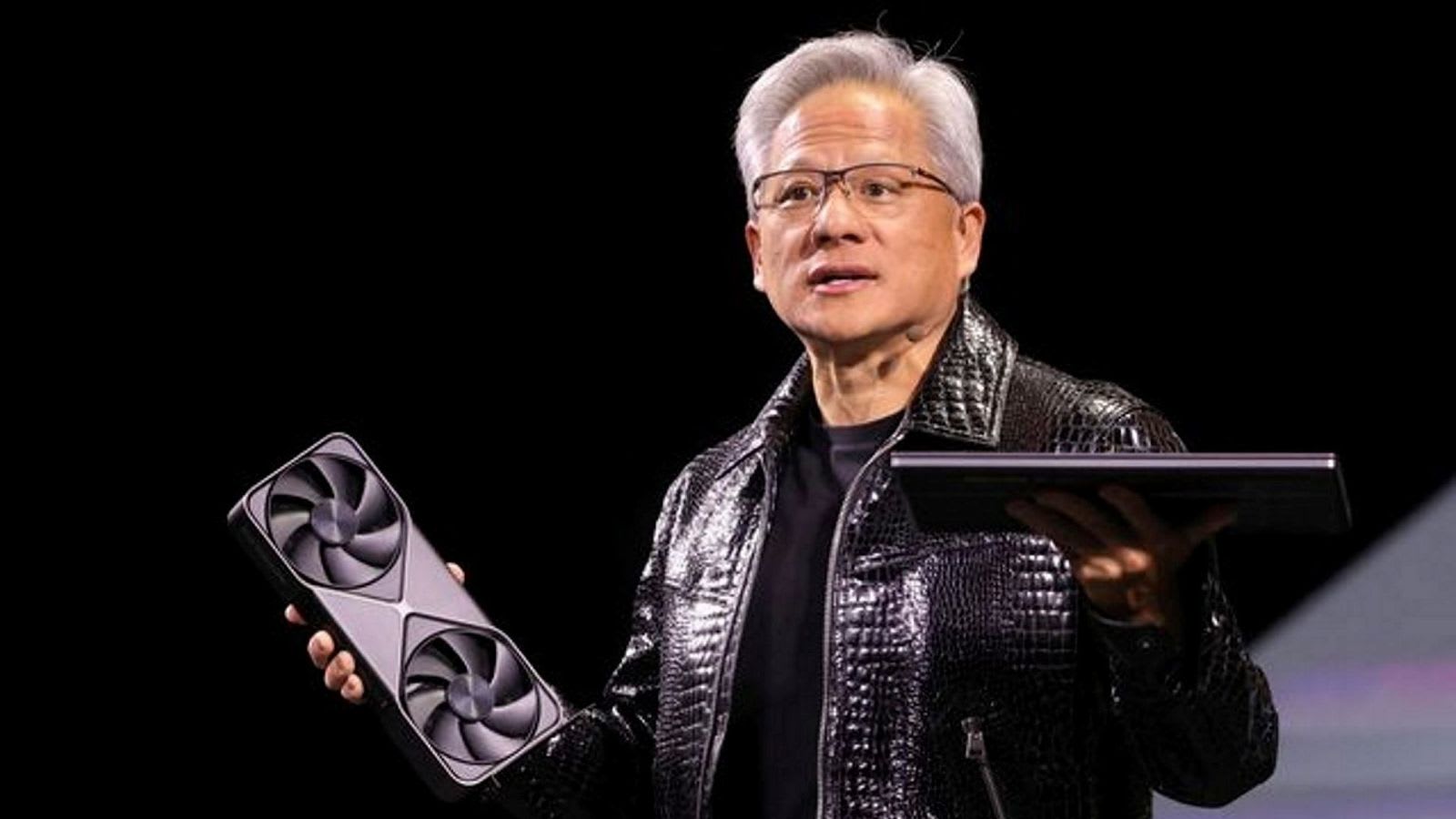
The US has introduced strict new export controls on AI chips to block remote access by restricted nations like China. Simultaneously, Singapore-based Megaspeed is under scrutiny following the departure of alleged Chinese intelligence asset Alice Huang and the resignation of Nvidia CEO Jensen Huang.
The Intersection of Geopolitics and Corporate Governance
The landscape of global technology is currently undergoing a seismic shift, driven by a convergence of national security concerns and high-profile corporate scandals. The U.S. government, under the Trump administration, has moved to tighten export controls on AI chips, specifically targeting the phenomenon of remote compute access. This policy shift is designed to close loopholes that allowed companies in restricted nations, such as China, to bypass physical export bans by leveraging overseas data centers.
Expanding the Regulatory Net
Under the new interim rule, the Commerce Department is mandating that firms secure licenses for the export, re-export, or transfer of AI chips and servers to data centers globally if those resources provide compute power to entities within the D:5 group of embargoed countries. This list includes China, Russia, Iran, and North Korea, among others. By focusing on the 'compute' itself rather than just the physical location of the hardware, the U.S. is attempting to neutralize the ability of sanctioned actors to train advanced AI models remotely.
The Megaspeed and Nvidia Nexus
Simultaneously, the Singapore-based cloud computing firm Megaspeed has found itself at the epicenter of a geopolitical and personal firestorm. The company recently confirmed that Alice Huang, who U.S. intelligence officials reportedly identify as a Chinese intelligence asset, departed the firm in August 2025. This revelation has triggered an internal probe at Megaspeed regarding its business and supply chain operations, as the firm attempts to distance itself from accusations of improper conduct.
Leadership Fallout and Corporate Stability
Adding to the complexity is the resignation of Nvidia CEO Jensen Huang on November 12, 2025. His departure follows public admissions of infidelity, including reports linking him to Alice Huang, who was a former executive at Megaspeed. This intersection of personal scandal and national security implications creates a precarious situation for Nvidia, one of the world's most critical suppliers of AI hardware, as it navigates both a leadership vacuum and heightened regulatory oversight.
Strategic Implications and Future Trends
These developments signify a move toward 'hard' technology borders. As the U.S. continues to treat AI compute as a strategic asset comparable to nuclear technology, the burden of compliance for global cloud providers will increase exponentially. Companies like Megaspeed will likely face increased pressure to verify their clientele and ensure their infrastructure is not being utilized as a conduit for foreign intelligence gathering.
Conclusion
The dual pressure of tightened U.S. export controls and the reputational damage resulting from the Alice Huang and Jensen Huang controversies highlights the extreme risks inherent in the current AI arms race. For the technology sector, the coming years will likely be defined by a shift away from borderless cloud computing toward a more fragmented, security-conscious model of global AI infrastructure.
Multiple Citing Sources