U.S. launches airstrikes against Iran after Tehran attacks container ship in Hormuz, Pentagon says
Source Entity
US Top News and Analysis
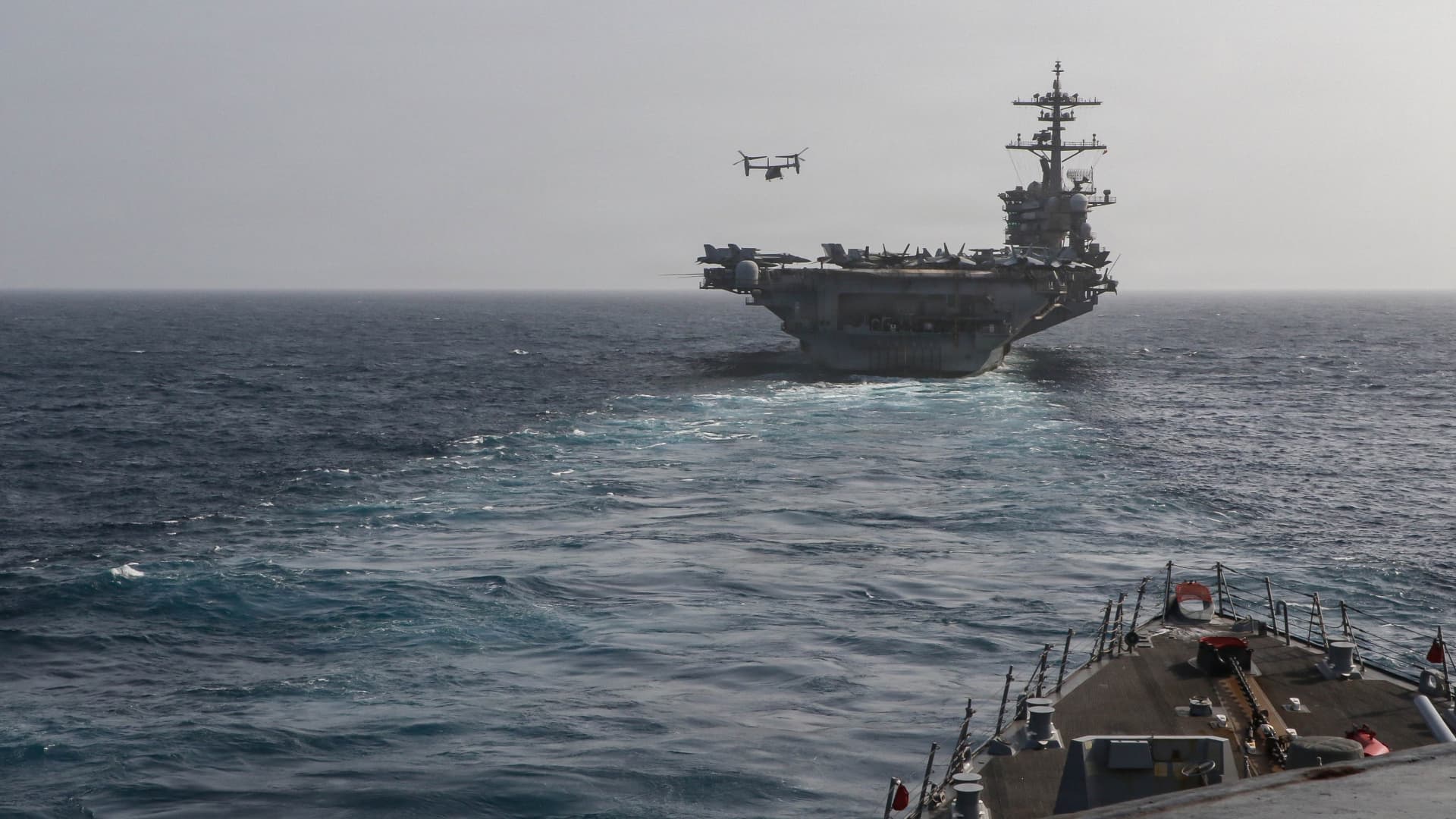
Iran has attacked ships using a route along Oman's coast protected by the U.S. military. Tehran demands vessels use a northern route through its waters.
Escalation in the Strait of Hormuz: US-Iran Military Confrontation
The Catalyst: Maritime Attack and Pentagon Response
The geopolitical landscape of the Middle East has reached a dangerous new flashpoint following reports from the Pentagon regarding U.S. airstrikes against Iranian targets. This military action was launched in direct response to an attack on a container ship within the Strait of Hormuz, a critical global maritime chokepoint. According to official statements, the vessel was targeted while navigating a route along the coast of Oman—a corridor that has been under the protection of the United States military to ensure the free flow of international commerce. This incident marks a significant shift from maritime security patrols to active kinetic engagement between the two nations.
The Strategic Demand for Northern Transit
A primary driver of this recent escalation is Tehran's assertive demand regarding maritime transit. Iran has explicitly called for commercial vessels to utilize a northern route that passes through its own territorial waters rather than the internationally recognized corridors protected by Western naval forces. By demanding that shipping companies divert to these northern routes, Iran is attempting to assert greater sovereignty over the region's most vital trade artery. This move is widely viewed by analysts as an attempt to weaponize maritime access, potentially allowing Tehran to exert leverage over global energy markets and international shipping lanes.
Historical Context and the Freedom of Navigation
The tension surrounding the Strait of Hormuz is not a new phenomenon, but the current situation carries heightened stakes. Historically, the Strait has been a site of frequent friction between Iran and the West, centered on the principle of "freedom of navigation." The U.S. military presence in the region is designed to uphold international maritime law, ensuring that vessels of all nations can pass through these waters without interference. Tehran's recent actions represent a direct challenge to this established international order, seeking to replace a multilateral security framework with one dictated by regional hegemony.
Geopolitical Implications and the Risk of Escalation
The implications of the U.S. airstrikes are profound, signaling a potential move toward a broader regional conflict. By transitioning from defensive posturing to offensive airstrikes, the United States is attempting to establish a credible deterrent against further attacks on commercial shipping. However, such actions carry the inherent risk of triggering a cycle of retaliation. If Iran perceives these strikes as an existential threat to its regional influence, it may respond through asymmetric warfare, targeting more vessels or utilizing proxy forces, which could rapidly expand the theater of conflict beyond the Strait of Hormuz.
Global Economic and Supply Chain Impact
Beyond the immediate military concerns, the instability in the Strait of Hormuz poses a severe threat to the global economy. The region is a vital conduit for the world's oil and liquefied natural gas (LNG) supplies. Any prolonged disruption or increase in the risk of maritime attacks leads to immediate spikes in maritime insurance premiums, which are subsequently passed down to consumers in the form of higher energy and goods prices. Furthermore, the uncertainty surrounding whether ships will be forced to take longer, more expensive alternative routes could exacerbate existing global supply chain vulnerabilities, leading to inflationary pressures worldwide.
Conclusion: A Volatile Outlook
In summary, the recent airstrikes by the United States represent a decisive, yet highly volatile, response to Iranian interference with international shipping. The core of the dispute—Tehran's demand for control over northern maritime routes—remains a fundamental obstacle to regional stability. As the international community watches closely, the coming weeks will determine whether these military actions successfully restore order to the Strait of Hormuz or if they serve as the opening salvos of a much larger regional war.