US arrests tech CEO accused of smuggling $300M in Nvidia chips into China
Source Entity
Ashley Belanger
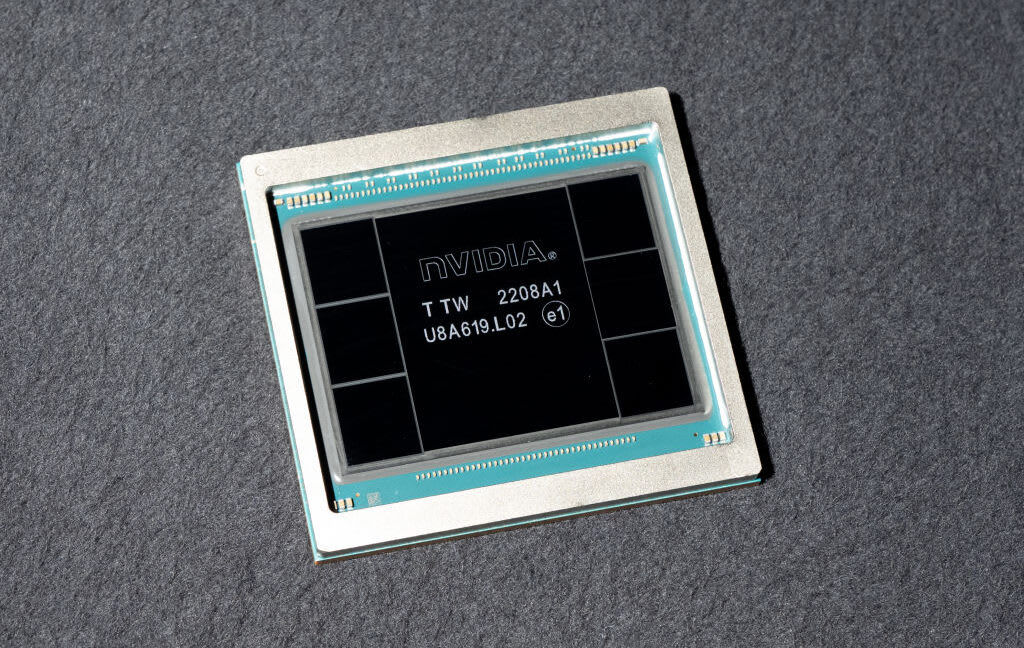
US authorities have arrested California tech CEO Greg Lui for allegedly smuggling $300 million worth of export-controlled Nvidia GPUs to China. The indictment highlights a sophisticated scheme involving false documentation and third-country transshipments to bypass US national security restrictions.
The $300 Million Tech Smuggling Indictment
Overview of the Federal Case
The United States Department of Justice has formally charged Greg Lui, a 38-year-old California resident and CEO of Earthmade Computer Inc., with conspiracy and the illegal smuggling of high-end, export-controlled technology. The indictment, which centers on a massive $300 million operation, alleges that Lui orchestrated a complex scheme to divert critical hardware into China. This arrest marks a significant escalation in the US government's efforts to enforce strict export controls on advanced computing components.
The Mechanism of the Smuggling Operation
According to federal prosecutors, Lui allegedly utilized a multi-layered logistical strategy to evade US export laws. By employing false documentation and leveraging freight-forwarding partnerships in nations such as Malaysia and Singapore, the accused purportedly masked the final destination of shipments. By routing these high-value servers through third-party jurisdictions, Lui allegedly sought to obscure the trail of hardware destined for Chinese entities, thereby circumventing the rigorous oversight mechanisms implemented by the Department of Commerce and the FBI.
Strategic Importance of the Hardware
At the heart of the controversy are Nvidia A100 and H100 graphics processing units (GPUs). These chips are foundational to the development of Super Intelligence (SI)—a term utilized by the Trump administration to describe advanced artificial intelligence capabilities. While these specific models are not the absolute peak of Nvidia’s current catalog, they are highly sought after for their ability to process massive datasets and train large language models. The US government maintains that such technology is dual-use and could be weaponized to bolster military capabilities, posing a direct threat to American national security.
The Role of Earthmade Computer Inc.
As the owner of the City of Industry-based Earthmade Computer Inc., Lui is accused of leveraging his position as a technology supplier to facilitate these illicit transfers. The federal indictment suggests that the company served as a conduit for moving export-controlled items, turning a legitimate business front into a hub for international sanctions evasion. This case underscores the challenges authorities face in regulating the supply chain of high-performance computing hardware in an era of globalized tech distribution.
Geopolitical and Economic Implications
The arrest of Greg Lui highlights the ongoing 'chip war' between the United States and China. By restricting the flow of high-end GPUs, the US aims to maintain a technological edge in AI development and military innovation. However, the persistence of smuggling operations like the one alleged here suggests that the demand for these restricted chips remains extremely high within China, prompting illicit actors to exploit gaps in the global logistics network to satisfy that market.
Future Trends and Regulatory Outlook
Moving forward, this case is likely to prompt a tightening of export compliance requirements for small and medium-sized technology firms. We can expect increased federal scrutiny on freight-forwarding activities and a more aggressive stance toward individuals who deliberately falsify shipping documents to bypass national security protocols. The outcome of the case against Greg Lui will likely set a precedent for how the Department of Justice handles future violations of the Export Administration Regulations, reinforcing the government's commitment to protecting critical intelligence technology.
Multiple Citing Sources