The US is banning foreign robots
Source Entity
Sean Hollister
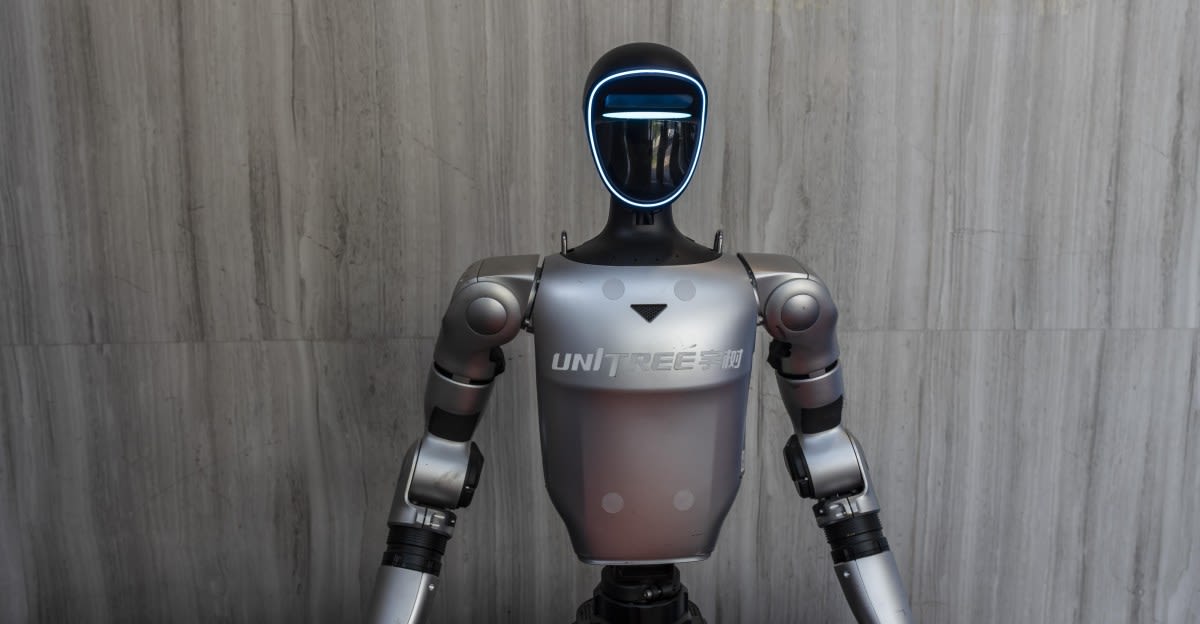
The US government, via the FCC, has implemented a ban on the import of advanced Chinese-made robots and power inverters. Officials cite significant national security risks and the need to protect critical infrastructure supply chains from foreign interference.
The US Implements Strategic Ban on Foreign Robotics
In a significant escalation of the ongoing technological and economic competition between the United States and China, the US government—led by the Federal Communications Commission (FCC)—has announced a sweeping ban on the import of advanced foreign-made robotic devices and power inverters. This policy shift specifically targets mobile robotic platforms, including sophisticated humanoid and quadruped (four-legged) models, which have become central to the rapid advancement of global automation. By restricting these imports, the US is taking a firm stance to decouple its critical technology sectors from Chinese manufacturing.
National Security and Infrastructure Concerns
The primary driver behind this regulatory action is the identification of "unacceptable risks to the national security of the United States." The FCC has signaled that the integration of foreign-made hardware into American networks and infrastructure creates potential vulnerabilities. These devices, which often rely on complex software and connectivity, could theoretically serve as conduits for surveillance or remote disruption. The move is framed as a necessary step to secure the nation's digital and physical supply chains against potential state-sponsored espionage or sabotage.
Targeting the Power Grid
Beyond humanoid robots, the ban encompasses power inverters—critical components used in solar panel arrays and large-scale data centers. This is particularly notable given that China is home to industry leaders like Sungrow and Huawei. Because these inverters serve as the bridge between renewable energy sources and the power grid, their security is paramount. By restricting these imports, the US aims to prevent foreign entities from gaining "backdoor" access to the energy grid, which could pose a systemic threat to the nation's economic and energy stability.
The Geopolitical Context of Innovation
The US and China are currently engaged in a high-stakes race to lead the world in robotics and artificial intelligence. As these technologies become increasingly embedded in logistics, manufacturing, and defense, the ability to control the underlying hardware becomes a pillar of national power. This ban represents a defensive maneuver intended to slow Chinese influence in the US market while fostering a domestic environment where American alternatives can be developed without the competitive pressures of potentially compromised foreign hardware.
Future Trends and Regulatory Impacts
Looking ahead, this move likely signals a permanent shift in how the US handles "smart" hardware imports. As robots become more autonomous and integrated into daily operations, we can expect the FCC and other regulatory bodies to tighten oversight on any device capable of processing sensitive data or connecting to critical infrastructure. Manufacturers like Unitree and UBTech, which now face significant hurdles to entry, may see their market share in the West evaporate, forcing a realignment of global supply chains. For businesses and consumers, this heralds a future of fragmented technology ecosystems, where the source of hardware is scrutinized as heavily as its technical specifications.
Multiple Citing Sources