The US added a record 20.2 GWh of battery storage in just 3 months
Source Entity
Hacker News
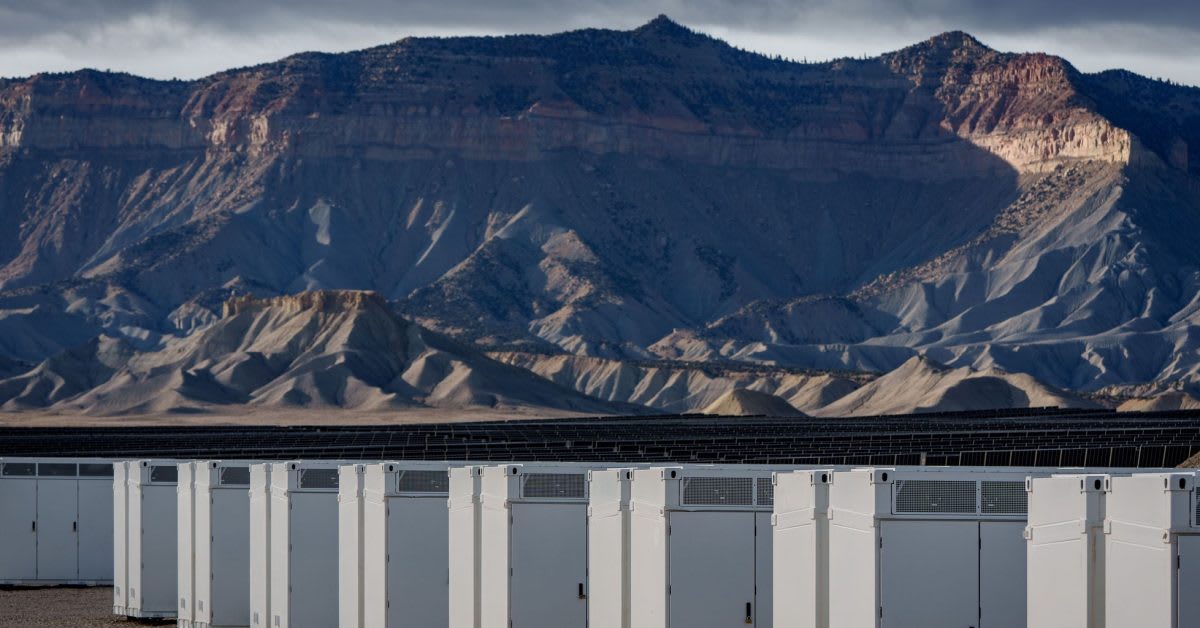
The US battery storage market achieved a record-breaking 20.2 GWh of new capacity in Q2 2026, driven largely by massive utility-scale projects. This 23% year-over-year growth highlights a major shift in grid infrastructure, with Arizona, California, and Utah leading the expansion.
A Milestone for US Energy Infrastructure
The United States energy sector reached a significant inflection point in the second quarter of 2026, recording an unprecedented 20.2 gigawatt-hours (GWh) of new battery storage capacity. This surge, documented in the latest “US Energy Storage Market Outlook” by the Solar Energy Industries Association (SEIA) and Benchmark Mineral Intelligence, underscores a rapid acceleration in the nation's transition toward a more resilient and flexible grid. By adding 30.8 GWh in the first half of the year alone, the industry has demonstrated a 23% year-over-year growth rate, signaling that battery deployment is no longer a peripheral activity but a core component of national energy strategy.
The Dominance of Utility-Scale Deployment
The driving force behind this record-breaking quarter is undeniably the utility-scale sector. These massive installations, which accounted for approximately 18 GWh of the Q2 total, serve as the backbone for integrating intermittent renewable energy sources like wind and solar. By capturing excess energy during peak production and discharging it during periods of high demand, these grid-scale assets mitigate the volatility that has historically challenged renewable adoption. The completion of seven gigawatt-hour-scale projects in a single quarter—spread across Arizona, California, and Utah—highlights the scale at which developers are now operating to meet modern energy requirements.
Regional Powerhouses: The Arizona Surge
Regional dynamics played a pivotal role in this quarter's success, with Arizona emerging as a standout leader. The state added a staggering 6.2 GWh of capacity, marking the strongest quarter ever recorded for a single state in the history of the US storage market. This concentration of development in the American Southwest is not accidental; these states benefit from high solar irradiance and a regulatory environment increasingly focused on grid hardening. The success in Arizona, alongside significant contributions from California and Utah, illustrates how regional energy policies are successfully incentivizing the private sector to invest in large-scale storage infrastructure.
Implications for Grid Stability
The integration of 20.2 GWh in just three months represents a fundamental change in how the US manages electricity load. Historically, the grid relied on fossil-fuel-based peaker plants to manage spikes in consumption. The shift toward utility-scale batteries offers a cleaner, faster-responding alternative that enhances grid reliability. As these GWh-scale projects come online, they provide essential ancillary services, such as frequency regulation and spinning reserves, which are critical for preventing blackouts and stabilizing the grid against extreme weather events.
Future Trends and Market Outlook
Looking ahead, the momentum established in the first half of 2026 suggests a bullish outlook for the remainder of the decade. With Texas and other states continuing to pursue aggressive storage mandates, the barrier to entry for large-scale energy projects is lowering. The synergy between government incentives, such as those found in climate-focused legislation, and the plummeting costs of battery chemistry, creates a self-reinforcing cycle of investment. If the industry maintains this trajectory, the US is well-positioned to achieve a highly decarbonized grid that can reliably support the electrification of transportation and industrial processes.
Conclusion: A New Era of Energy Storage
In summary, the record-breaking Q2 of 2026 serves as a definitive testament to the maturity of the US energy storage market. By moving past pilot-scale projects and into massive, multi-gigawatt-hour deployments, the sector is successfully addressing the primary challenge of the energy transition: intermittency. As storage capacity continues to scale, it will likely serve as the primary catalyst for the retirement of legacy peaker plants and the continued expansion of clean energy generation across the country.