US business inventories unchanged in June
Source Entity
Yahoo Finance
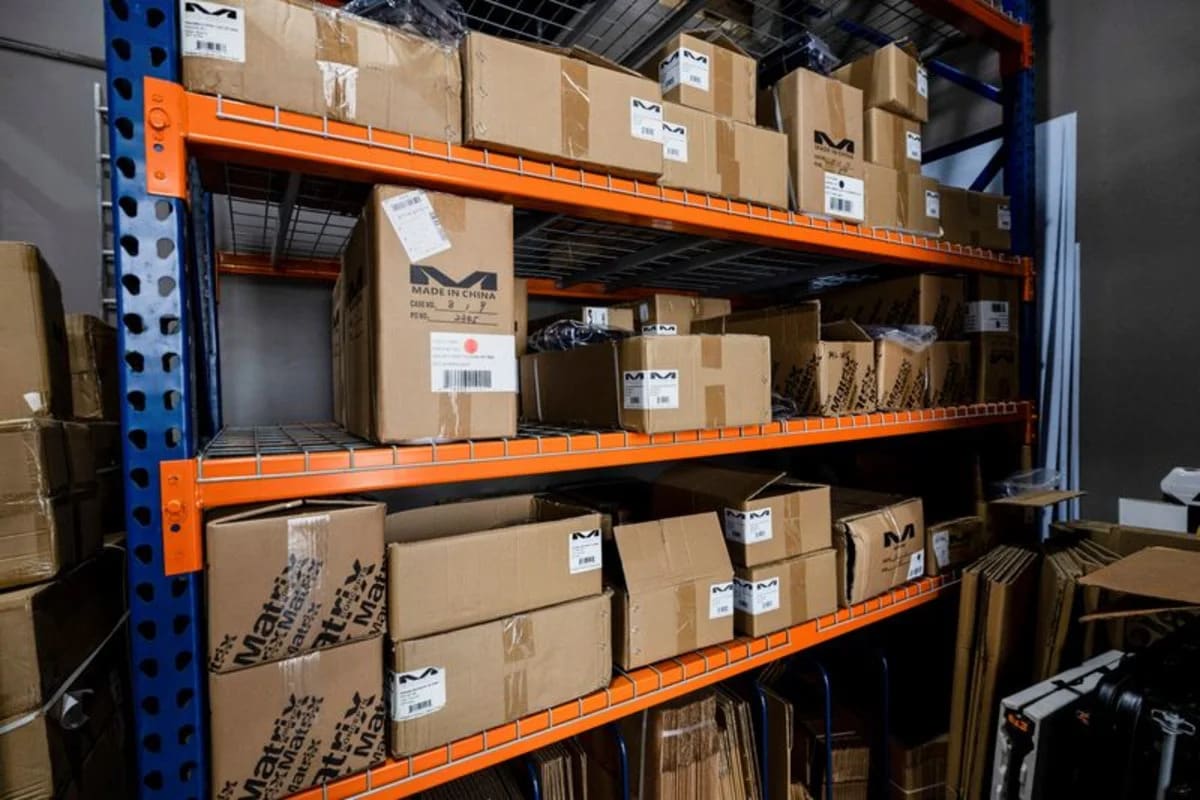
U.S. business inventories remained flat in June as wholesale gains balanced retail declines. This trend reflects sustained domestic demand and ongoing inventory drawdowns over the past five quarters.
Analysis of U.S. Business Inventory Trends
The State of U.S. Inventory Dynamics
Recent data from the Commerce Department’s Census Bureau indicates that U.S. business inventories remained unchanged in June. This stagnation serves as a critical economic indicator, highlighting a specific balance between wholesale growth and retail contraction. While wholesale sectors saw an accumulation of stocks, these gains were effectively neutralized by a corresponding decline at the retail level. This equilibrium suggests that goods are moving through the supply chain at a rate that keeps overall inventory levels stable, despite fluctuations in individual sectors.
Impact of Domestic Demand
The flat reading in June follows a 0.4% increase recorded in May, diverging from the 0.1% growth anticipated by economists polled by Reuters. This discrepancy underscores the volatility inherent in inventory data, which remains a vital component of Gross Domestic Product (GDP) calculations. The current landscape is largely defined by robust domestic demand, which has driven a consistent drawdown of inventories for five consecutive quarters. This sustained demand is a testament to the resilience of the U.S. economy, as businesses struggle to keep stock levels high in the face of eager consumer and corporate purchasing.
Drivers of Economic Activity
A primary catalyst for this persistent inventory depletion is the confluence of consumer spending and significant business investment, particularly in the burgeoning field of artificial intelligence. As firms pivot to integrate AI technology, the associated capital expenditure has spurred demand that often outpaces immediate supply replenishment. This trend reflects a broader shift in the U.S. economy where technological investment is no longer a peripheral activity but a core driver of logistical and operational demand.
Macroeconomic Implications
Because inventories are a core component of GDP, the fact that they have been drawn down for five straight quarters has had a tangible effect on national economic growth metrics. In the second quarter, these drawdowns actually acted as a subtraction from overall GDP growth. While a reduction in inventory can sometimes signal caution, in this specific context, it is a byproduct of high-velocity consumption. The year-on-year increase of 3.0% in June inventories suggests that while the short-term trend is one of depletion, the long-term volume of goods held by businesses remains on an upward trajectory.
Future Outlook and Conclusion
Looking ahead, the interplay between wholesale stocking and retail sales will remain a bellwether for the U.S. economy. If domestic demand continues to outpace the replenishment of retail goods, we may see further pressure on GDP growth in the coming quarters. However, the 3.0% year-on-year growth serves as a buffer, suggesting that supply chains are not failing, but rather reacting to a high-demand environment. As businesses continue to navigate the dual pressures of AI-driven investment and consumer habits, the stability of these inventory levels will be crucial to maintaining economic equilibrium.