US slaps import ban on Canadian alcohol and other goods
Source Entity
BBC News
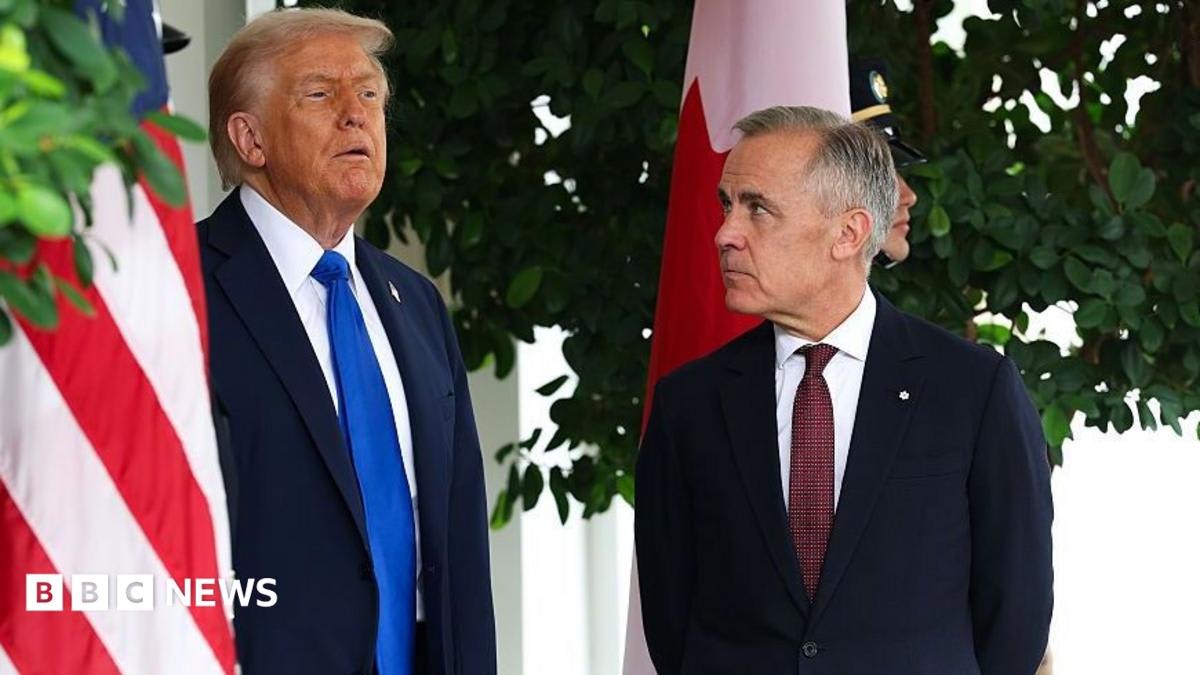
US-Canada trade relations have deteriorated into a full-scale trade war characterized by mutual tariffs and targeted bans. President Trump’s executive orders targeting companies like Bombardier and various consumer goods signal a significant shift in North American economic policy.
The Escalation of North American Trade Tensions
The economic relationship between the United States and Canada, historically recognized for its stability and integration, has entered a period of extreme volatility. Recent executive actions by the Trump administration have effectively dismantled the status quo, replacing diplomatic cooperation with a series of aggressive trade barriers and retaliatory measures that threaten to reshape the continent's industrial landscape.
The Bombardier Conflict and Industrial Pressure
At the heart of this dispute is the Canadian aerospace giant Bombardier. President Trump has explicitly threatened to bar the company from the American market unless it shifts its production facilities into the United States. This demand represents a protectionist strategy aimed at forcing foreign entities to localize manufacturing, directly impacting Bombardier’s stock performance and operational strategy. By leveraging market access as a political tool, the White House is signaling that trade concessions are now strictly conditional upon domestic job creation within U.S. borders.
Tit-for-Tat Tariffs and Market Bans
The conflict has rapidly transcended specific aerospace disputes, spiraling into a broad-based trade war. Canada has moved to impose retaliatory tariffs ranging from 15% to 50% on approximately $20 billion worth of American goods. In response, the United States has enacted executive orders banning a wide array of Canadian exports, including dairy, alcohol, and motor vehicles. These bans, effective September 29, represent a significant hardening of the border, effectively ending the era of seamless trade that defined the U.S.-Canada corridor for decades.
Political Rhetoric and Diplomatic Decay
Beyond the economic data, the political climate surrounding these negotiations has grown increasingly hostile. Reports of imagery depicting physical confrontation between national leaders highlight the breakdown of traditional diplomatic norms. Canadian Prime Minister Mark Carney has publicly acknowledged that the nation's pivot away from the United States as its primary trading partner will be costly, reflecting the gravity of the current decoupling efforts. The lack of scheduled negotiations since August suggests that both parties remain entrenched in their respective positions.
Implications for Future Trade
This confrontation marks a fundamental departure from the historical norms of North American commerce. As both nations move toward more insular economic policies, the long-term impact on supply chains, consumer prices, and corporate investment remains uncertain. The shift away from integrated markets toward protectionist mandates could lead to a permanent reduction in bilateral trade volume, forcing both nations to seek alternative global partners to offset the domestic economic fallout.
Conclusion
The current trade war is not merely a dispute over specific goods or companies, but a broader realignment of North American geopolitical priorities. With negotiations stalled and retaliatory measures intensifying, the path to resolution appears narrow. The ongoing economic friction between the U.S. and Canada underscores a new, more confrontational era in international trade, where the cost of protectionism is being borne by industries and consumers on both sides of the border.