Canada announces retaliatory tariffs on U.S. goods after trade talks break down
Source Entity
Rey Mashayekhi
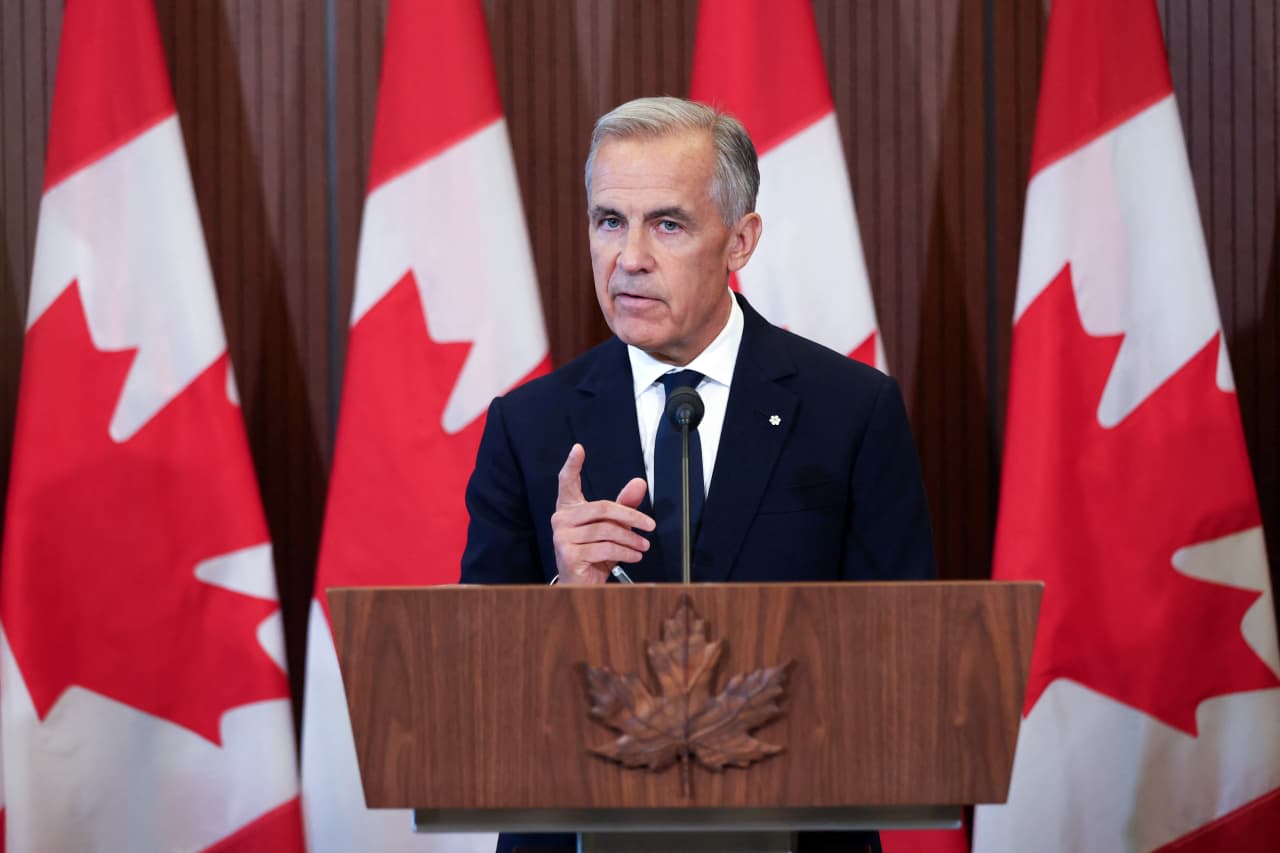
The US is set to impose 50% tariffs on $20 billion of Canadian imports after trade negotiations collapsed. In response, Prime Minister Mark Carney has suspended talks and vowed to retaliate with equivalent dollar-for-dollar tariffs.
Trade Tensions Escalate: US and Canada Impose Retaliatory Tariffs
The Breakdown of Diplomatic Negotiations
The bilateral relationship between the United States and Canada has reached a critical turning point following the collapse of high-stakes trade negotiations. Despite recent public signals from President Donald Trump suggesting that a deal was within reach, last-minute modifications to the proposed terms by Washington led Canadian Prime Minister Mark Carney to characterize the new conditions as "unfair" and "uneconomic." This breakdown marks a significant departure from the historical stability usually characterizing the US-Canada trade corridor.
Impact of the 50% Tariff Regime
Beginning at 12:01 am on Saturday, the United States is scheduled to implement a 50% tariff on $20 billion worth of Canadian goods. This sweeping measure targets a diverse array of sectors, ranging from essential industrial materials like plywood and electrical equipment to consumer goods such as liquor and hockey gear. The breadth of these tariffs is designed to pressure the Canadian economy, yet it simultaneously risks inflating costs for US businesses and consumers who rely on these cross-border supply chains.
Canada’s Strategic Response
In a swift retaliatory move, Prime Minister Carney has announced that Canada will match the US tariffs "dollar for dollar." By recalling negotiators to Ottawa and suspending further talks, the Canadian government is signaling that it no longer views the current negotiation framework as a reliable path forward. This shift represents a broader pivot in Canadian policy, as the government seeks to bolster domestic economic resilience and aggressively pursue trade diversification with international partners outside of the US sphere.
Economic and Geopolitical Implications
The failure to finalize a deal highlights the growing fragility in the North American trade landscape. US Trade Representative Jamieson Greer’s statement, which noted that Canada declined to finalize the agreement despite previous progress, underscores the deep-seated mistrust that has permeated these discussions. For Canadian small and medium-sized enterprises, the uncertainty created by these tariffs poses a significant threat, forcing many to re-evaluate their reliance on the American market.
Future Trends and Outlook
Moving forward, the "dollar for dollar" retaliation strategy suggests a prolonged period of economic friction. If both nations remain entrenched in these protectionist stances, the historical integration of the US and Canadian economies may face long-term structural damage. Canada’s stated focus on "building strength at home" indicates that the current administration is prepared to weather a period of isolation from its largest trading partner in exchange for asserting its economic sovereignty against what it deems unfair US demands.
Multiple Citing Sources
Verification Required?