Why US is weighing ‘Mother of all bombs’ strikes against Iran
Source Entity
The Indian Express
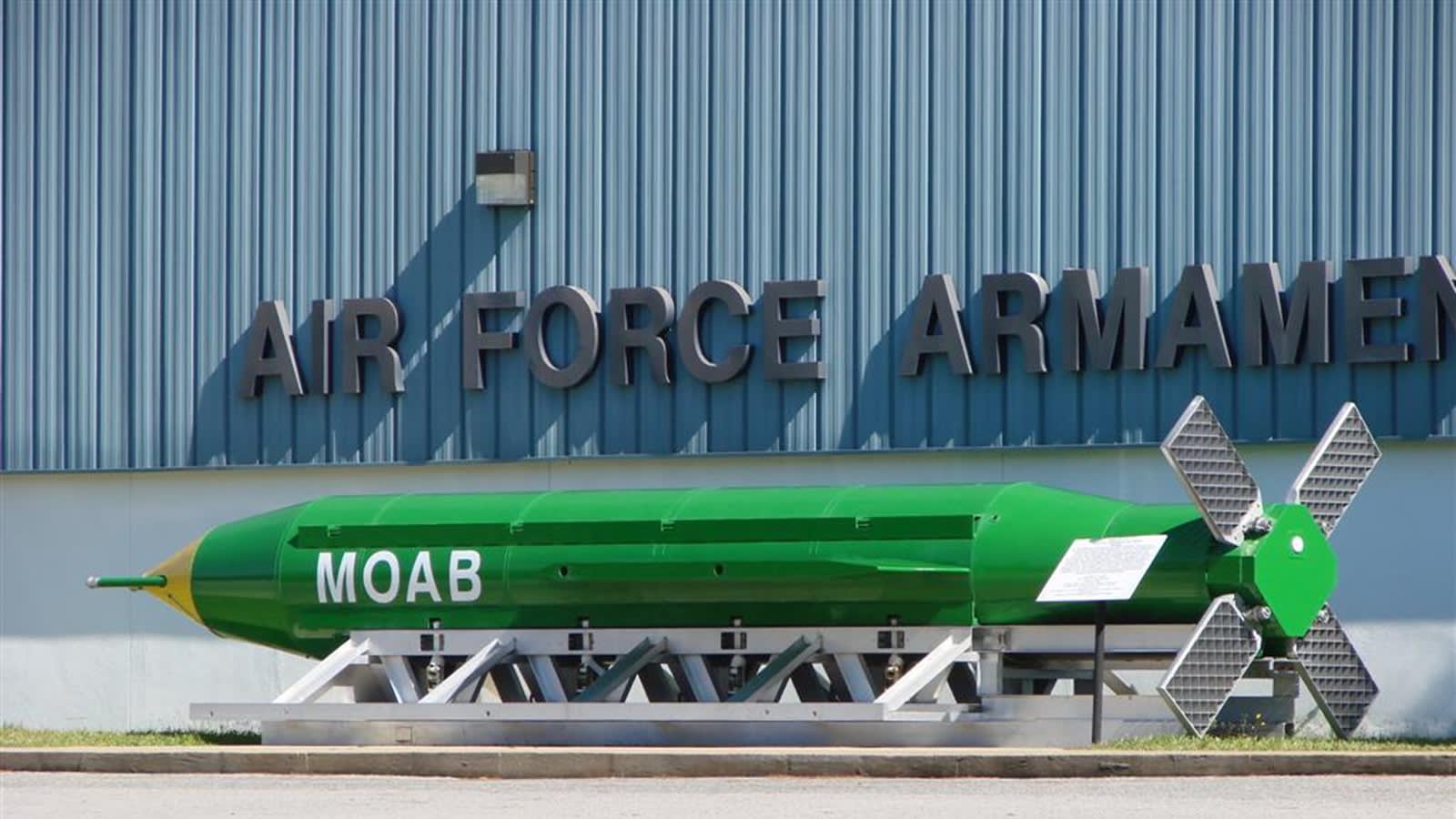
The U.S. military is reportedly considering the use of the GBU-43/B 'Mother of All Bombs' to target Iranian nuclear and energy infrastructure. This potential deployment marks a significant escalation in the ongoing seven-month conflict.
The Strategic Calculus of the MOAB
As the military attrition between the United States and Iran surpasses the seven-month mark, reports indicate that the U.S. Department of Defense has drafted contingency plans involving the GBU-43/B Massive Ordnance Air Blast (MOAB) bomb. Often referred to as the “Mother of All Bombs,” this 21,600-pound weapon represents the largest non-nuclear munition in the U.S. arsenal. The potential inclusion of this weapon in strike planning signals a shift in tactical focus toward high-value, hardened infrastructure.
Targeting Nuclear and Energy Infrastructure
The primary objective for such a deployment, according to officials familiar with the planning, would be Iran’s energy infrastructure and suspected nuclear sites, such as the facility at Pickaxe Mountain. Unlike conventional precision munitions designed for surgical strikes, the MOAB is an air-burst weapon engineered to generate massive overpressure, intended to devastate surface targets across a broad geographical area. Its potential use highlights the difficulty the U.S. faces in neutralizing underground or fortified Iranian assets.
A Significant Military Escalation
Should President Donald Trump authorize the use of the MOAB, it would mark a major escalation in the current conflict. Deploying the most powerful non-nuclear bomb in the U.S. inventory would represent a departure from previous tactical engagements, moving beyond standard airstrikes into a domain of unprecedented destructive capability. Such a decision would likely be viewed as a definitive statement of intent, significantly altering the operational landscape of the region.
The Context of Prolonged Attrition
This development occurs against the backdrop of a conflict that has persisted for over seven months with no clear resolution in sight. The military stalemate has forced the Pentagon to re-evaluate its strategic options, moving toward more aggressive strike plans. The timing, potentially overlapping with or following midterm elections, suggests that domestic political considerations and the ongoing pressure of the regional standoff are driving the search for more decisive military outcomes.
Strategic Uncertainty and Future Implications
Despite the existence of these plans, significant uncertainty remains regarding their implementation. The U.S. military must weigh the tactical benefits of destroying specific infrastructure against the geopolitical fallout of using such a massive weapon. The potential for regional destabilization and the hardening of Iranian resolve are critical factors that continue to complicate the decision-making process. As the situation evolves, the 'Mother of All Bombs' remains a potent, yet volatile, option in the U.S. military’s strategic toolkit.