Sticky PCE inflation leaves a divided central bank ahead of Fed's Jackson Hole retreat
Source Entity
Yahoo Finance
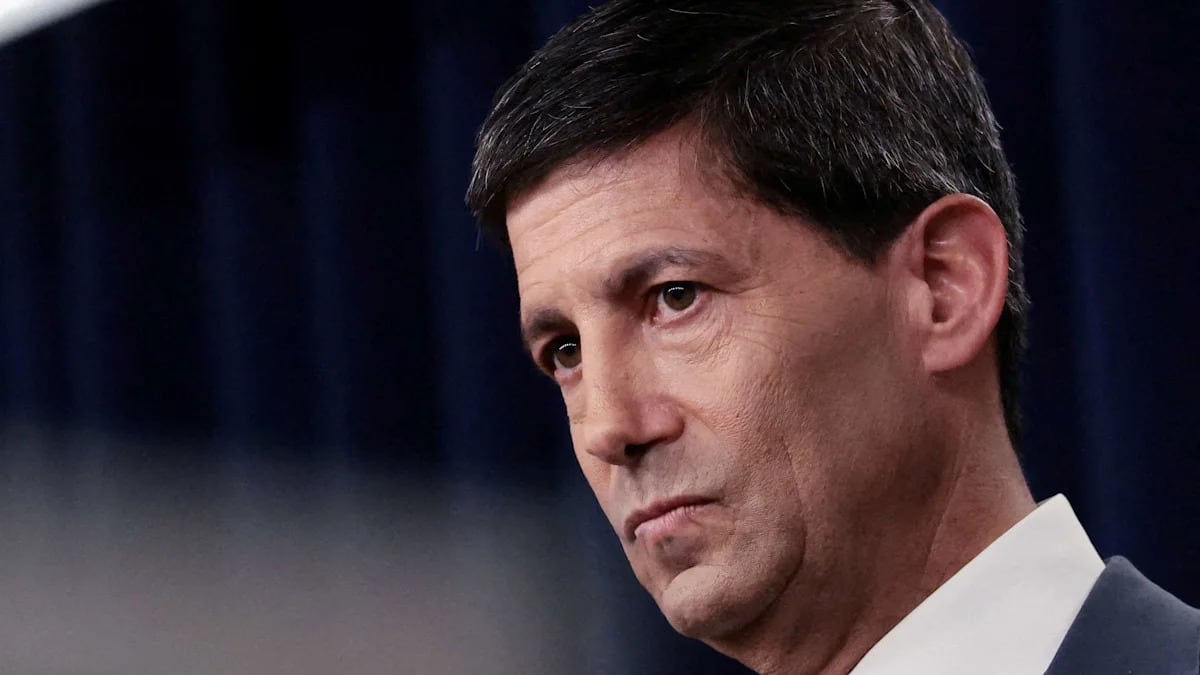
The U.S. dollar faces volatility as markets digest a 3.7% annual PCE inflation reading and prepare for Fed Chair Kevin Warsh's upcoming Jackson Hole address. Investors remain cautious as fiscal concerns regarding Treasury bond buybacks intersect with persistent inflationary pressures.
The U.S. Economic Landscape: Inflation and Policy Uncertainty
The U.S. financial landscape is currently defined by a delicate balancing act between persistent inflationary pressures and shifting monetary policy expectations. As the market enters the week of August 25, the primary focus remains on the Personal Consumption Expenditures (PCE) price index, which serves as the Federal Reserve’s preferred gauge for measuring inflation. With the latest data revealing a 3.7% annual increase in headline PCE—slightly outpacing Dow Jones forecasts—the Federal Reserve faces renewed pressure to navigate a path that ensures long-term economic stability without stifling growth.
Inflation Dynamics: Headline vs. Core Metrics
A critical component of the current economic narrative is the divergence between headline and core inflation. While the headline PCE rose to 3.7% due to broader price increases, the core PCE—which excludes the volatile food and energy sectors—gained 0.2% monthly and 3.3% annually. This alignment with consensus forecasts provides a nuanced view for policymakers. While headline figures may trigger immediate market reactions, the Fed’s reliance on core PCE suggests that long-term trend analysis remains the priority for future interest rate decisions ahead of the September meeting.
Geopolitical Influence and Dollar Strength
External factors continue to play a significant role in the valuation of the U.S. dollar. Recent reports indicate that strengthened U.S. sanctions against Iran are providing tactical support to the currency. The mechanism is clear: by threatening to revoke access to the U.S. financial system for foreign entities engaging with Iran, the demand for the dollar is artificially bolstered. This creates a fascinating interplay where geopolitical enforcement serves as a countervailing force against domestic fiscal anxieties, helping the EUR/USD and GBP/USD pairs hold firm despite broader market volatility.
Fiscal Credibility and Treasury Challenges
Conversely, the U.S. Treasury’s aggressive strategy to buy back long-maturity bonds has introduced significant concerns regarding fiscal credibility. With 10-year Treasury yields hovering around 4.7%, investors are increasingly wary of the government's ability to manage long-term borrowing costs effectively. This stress in the bond market creates a secondary layer of complexity for the Federal Reserve, as policymakers must reconcile whether these fiscal pressures should ultimately limit the scope for further rate hikes.
The Road Ahead: Warsh and Jackson Hole
As the market looks toward the upcoming Jackson Hole speech by Fed Chair Kevin Warsh, expectations are high for clarity regarding the central bank's trajectory. This speech represents a pivotal moment for investors seeking to decipher how the Fed will reconcile the current 3.7% inflation rate with the underlying stresses in the bond market. The synthesis of these factors—geopolitical sanctions, bond market yields, and persistent service price inflation—will likely dictate the volatility of the dollar in the coming weeks.
Conclusion: A Period of Strategic Recalibration
In summary, the U.S. economy is currently in a state of strategic recalibration. The ability of the Federal Reserve to manage expectations during this transition will be vital. While core inflation remains relatively stable, the intersection of fiscal policy concerns and global geopolitical maneuvering suggests that the path toward stable inflation targets will remain fraught with uncertainty. Market participants should prepare for continued fluctuations as the Fed balances the necessity of cooling service price inflation against the structural integrity of the Treasury market.