US continues to shun Ebola-infected citizens; second American sent to Germany
Source Entity
Beth Mole
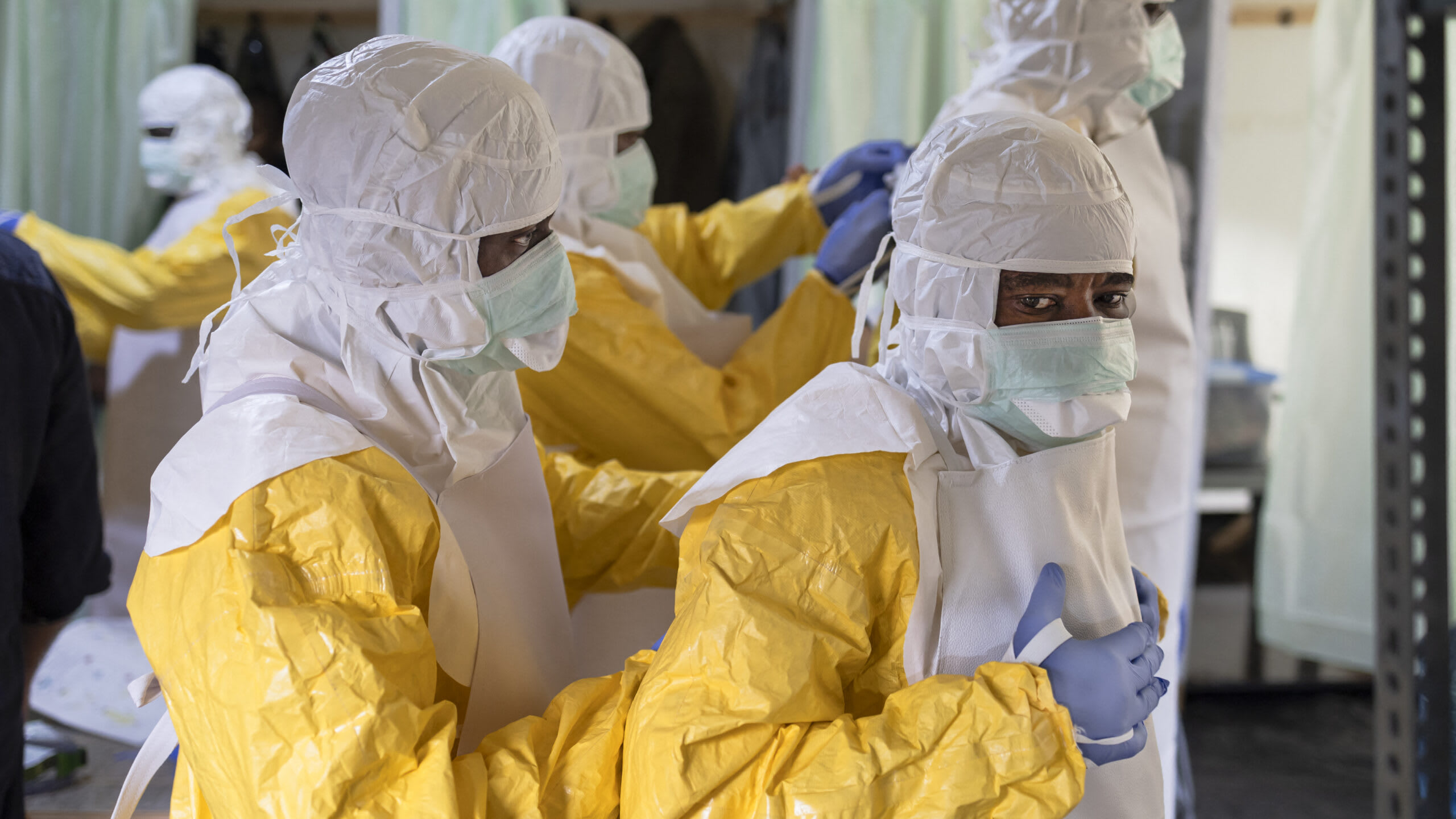
The man is said to be doing well in a Frankfurt hospital.
Analysis of U.S. Ebola Patient Transfer to Germany
The report that a second American citizen infected with the Ebola virus has been transferred to a hospital in Frankfurt, Germany, reveals a critical juncture in the management of high-consequence infectious diseases. This event is not merely a logistical medical transfer but a symptom of deeper systemic anxieties regarding the United States' readiness to handle viral hemorrhagic fevers. The fact that the patient is reported to be doing well in Frankfurt suggests that the medical infrastructure in Germany was better positioned—or more readily available—to provide the necessary biocontainment and specialized care than domestic options at that specific moment.
Infrastructure Gaps and Biocontainment Challenges
One of the primary drivers behind the decision to send patients abroad is the limited number of Biosafety Level 4 (BSL-4) facilities and specialized Ebola treatment units within the United States. Treating an Ebola patient requires rigorous isolation protocols to prevent nosocomial transmission, which can lead to catastrophic outbreaks within a hospital setting. The reluctance or inability to admit these patients into standard U.S. healthcare facilities highlights a precarious gap in domestic health security. By transferring the patient to Germany, the U.S. effectively outsourced a high-risk medical liability, reflecting a lack of confidence in the rapid scalability of domestic isolation wards.
The Narrative of 'Shunning' and Social Stigma
The use of the term "shun" in the reporting is particularly telling. It suggests a psychological and political dimension to the crisis, where the fear of the virus outweighs the commitment to domestic care. This "shunning" often manifests as a reluctance by hospitals to accept patients or a political hesitation to bring infected citizens back to U.S. soil for fear of public panic. Historically, Ebola has been shrouded in extreme stigma due to its high fatality rate and the visceral nature of its symptoms. This incident underscores how fear can dictate healthcare policy, potentially compromising the dignity and immediate care of the patient in favor of perceived risk mitigation.
Germany's Role in Global Health Diplomacy
Germany's willingness to accept the patient in Frankfurt demonstrates a high level of international cooperation and a robust public health infrastructure. Germany has a long history of excellence in infectious disease research and clinical management, making it a logical destination for complex cases. This transfer serves as a case study in global health diplomacy, where developed nations rely on one another's specialized strengths. However, it also raises questions about the equity of care; the ability to transport a citizen across the Atlantic for treatment is a luxury not available to the vast majority of those infected in the heart of Ebola-affected regions.
Broader Implications for Pandemic Preparedness
This event serves as a precursor to the challenges faced during subsequent global health crises. The struggle to integrate infected patients into the domestic healthcare system without causing panic or systemic failure is a recurring theme in pandemic preparedness. The U.S. experience with Ebola, specifically the need to move patients to Germany, highlighted the necessity for a more decentralized yet standardized approach to biocontainment. It emphasized that the U.S. could not rely solely on a few elite centers but needed a broader network of capable hospitals to prevent the need for international transfers during a surge.
Conclusion and Future Outlook
In summary, while the patient in Frankfurt is recovering, the circumstances of their transfer expose significant vulnerabilities in the U.S. healthcare response to Ebola. The incident highlights a tension between medical necessity and public fear, as well as a reliance on international allies to fill domestic gaps. Moving forward, such events mandate a shift toward investing in permanent, scalable biocontainment infrastructure and combating the social stigma associated with rare, high-mortality diseases to ensure that no citizen is "shunned" during a health crisis.