U.S. economy slowed to 1.5% growth rate in Q2; June core inflation at 3.3%
Source Entity
US Top News and Analysis
The U.S. economy slowed to a 1.5% growth rate in the second quarter, missing expectations of 1.8%. Meanwhile, core inflation remains elevated at 3.3%, posing a challenge for the Federal Reserve's policy trajectory.
U.S. Economic Momentum Falters in Q2
The U.S. economy experienced a notable deceleration during the second quarter of 2026, with the Commerce Department reporting an annualized GDP growth rate of just 1.5%. This figure represents a cooling period following the 2.1% growth observed in the first quarter and falls short of the 1.8% expansion anticipated by Dow Jones economists. The data suggests that the broader economic engine is grappling with structural headwinds as it navigates the mid-year transition.
Inflationary Pressures Persist
While growth has slowed, inflationary pressures remain a persistent concern for policymakers. June core inflation was reported at 3.3%, a level that continues to hover well above the Federal Reserve’s long-term target. The coexistence of cooling growth and stubborn inflation creates a complex environment for the Federal Reserve, which must balance the risks of stifling economic activity against the necessity of price stability.
Dissecting the Consumption Landscape
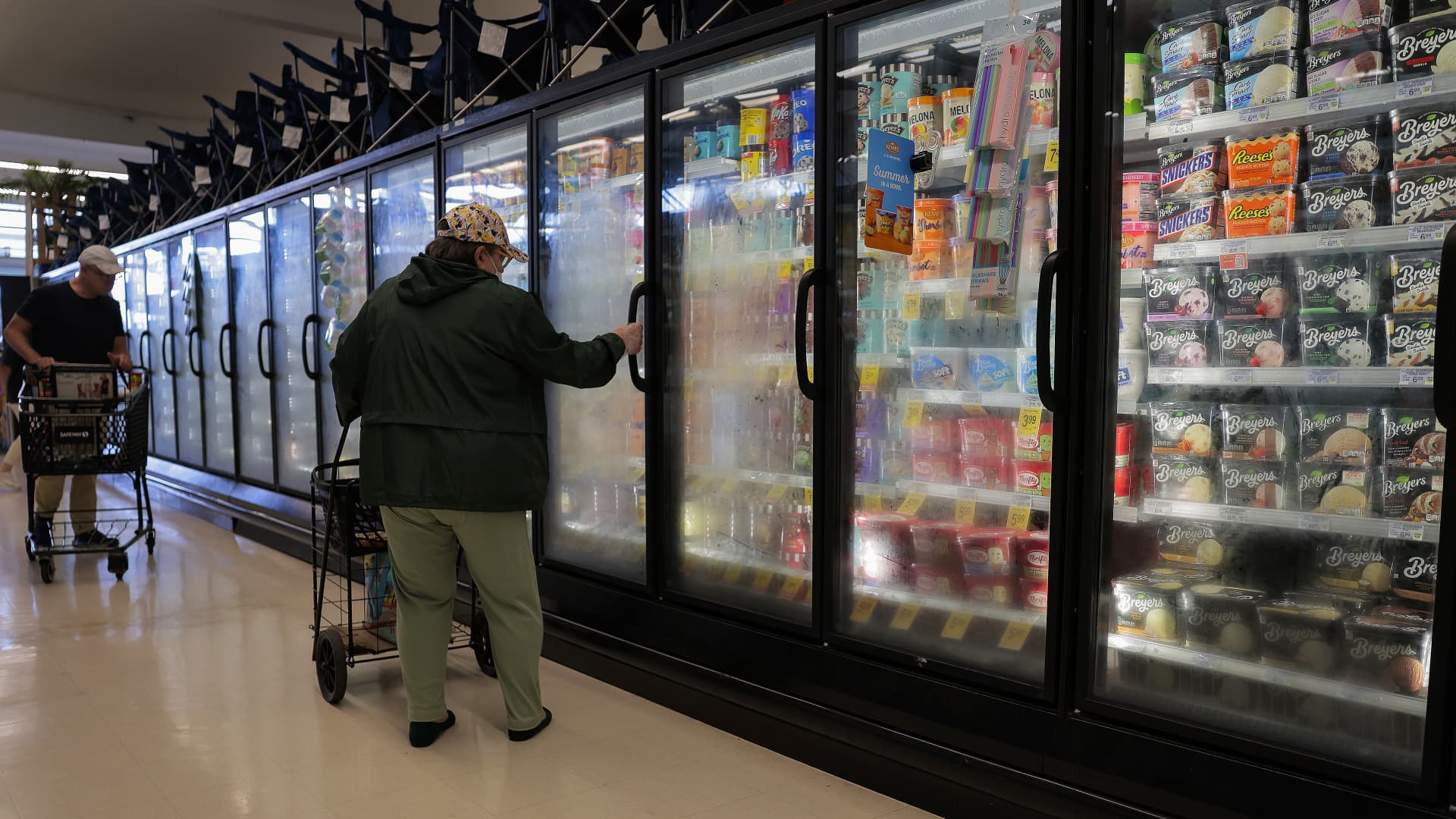
At the ground level, the economic reality is reflected in consumer behavior, such as the everyday shopping experiences observed at retailers like Safeway in San Francisco. Personal consumption remains the primary driver of the U.S. economy, and shifts in spending patterns are critical indicators of future health. The latest personal consumption expenditures (PCE) price index, the Fed's preferred gauge, showed a marginal decline of 0.1% for the month, providing a nuanced look at how households are adjusting to persistent price levels.
Historical Context and Policy Implications
Comparing the Q2 performance to the preceding quarter highlights a downward trajectory in national output. Historically, when growth dips below 2% while inflation remains above 3%, the economic environment is often described as 'stagflationary' or, at minimum, a period of 'soft-patch' growth. The Federal Reserve now faces a narrowing path to achieve a 'soft landing,' where inflation is brought under control without triggering a significant recessionary contraction.
Looking Ahead: Future Trends
Moving forward, the primary focus for market analysts will be whether this 1.5% growth rate represents a temporary lull or the beginning of a sustained downturn. If core inflation does not show a more definitive downward trend in the coming months, the Federal Reserve may find its ability to stimulate growth through monetary policy severely constrained. The intersection of retail-level spending and macroeconomic indicators will be the key metric for determining the trajectory of the U.S. economy through the remainder of 2026.
Conclusion
The second quarter report serves as a stark reminder of the volatility currently inherent in the U.S. economy. With growth missing targets and inflation remaining elevated, the interplay between consumer sentiment and central bank intervention will define the fiscal landscape for the near future.