US says Europe refused to join push for tariffs on India, China over Russian oil
Source Entity
YASHASVI VASISTHA
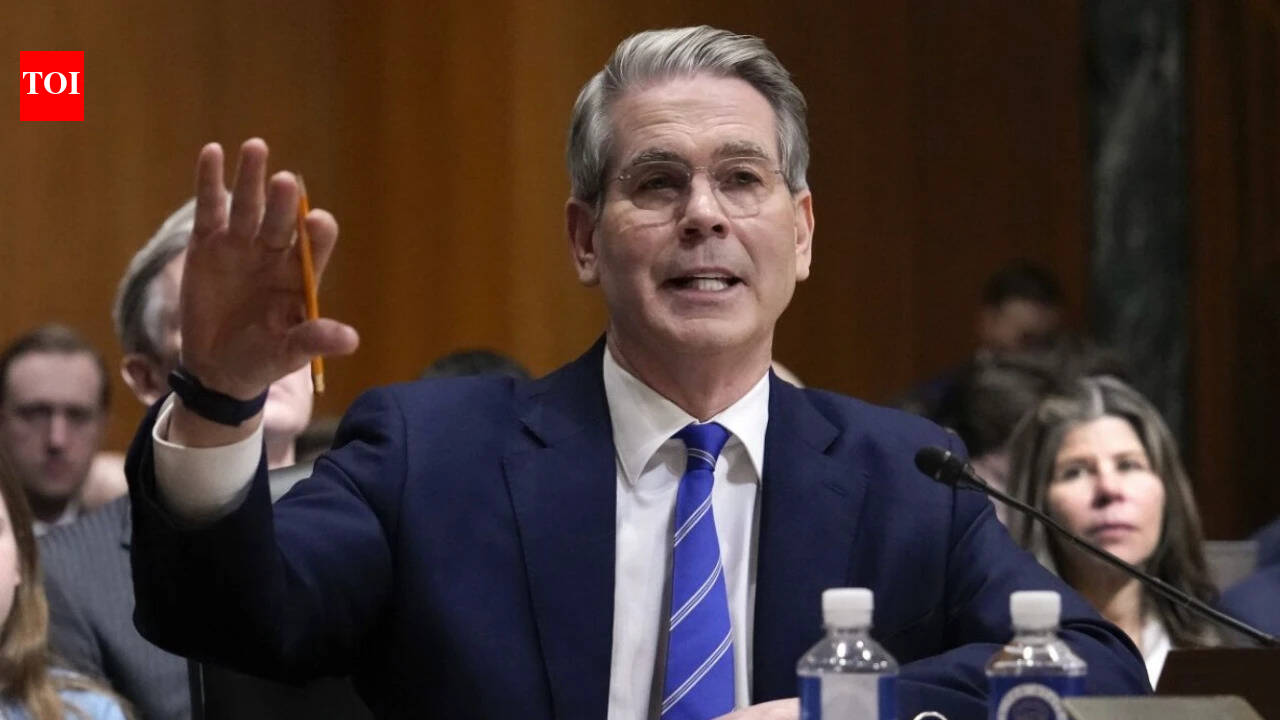
The US has expressed frustration after European allies declined to join a proposed tariff initiative against India and China for purchasing Russian oil. This disagreement highlights significant fractures in the Western coalition's strategy regarding energy sanctions and global trade policy.
The Geopolitical Divide on Russian Energy Sanctions
The recent revelation that European nations have declined to join the United States in imposing tariffs on India and China for their continued purchase of Russian oil underscores a significant shift in global diplomatic dynamics. This push, spearheaded by figures like Scott Bessent, reflects a desire within certain US policy circles to tighten the economic vise on Russia by penalizing the major economies that provide a financial lifeline to Moscow’s energy sector. However, the refusal of European partners to align with this strategy suggests a fundamental disagreement regarding the efficacy and potential economic blowback of such aggressive trade measures.
The Strategic Rationale for US Pressure
From the perspective of those advocating for these tariffs, the objective is twofold: to curtail the revenue streams fueling the Russian military apparatus and to force global powers to choose sides in the ongoing conflict. By targeting the secondary markets—specifically India and China—the US aims to plug the leaks in existing sanctions regimes. The argument posits that as long as these massive economies continue to absorb Russian crude, the pressure on the Kremlin remains insufficient to alter its strategic trajectory, thereby necessitating a more robust application of trade barriers.
European Reservations and Economic Realities
Europe’s reluctance to join this initiative is rooted in a complex web of economic dependencies and geopolitical caution. Many European nations are already navigating the inflationary pressures and industrial strain caused by their own decoupling from Russian energy. Expanding the scope of sanctions to include trade partners like India and China could risk triggering a global trade war and further destabilizing energy markets. For European policymakers, maintaining a stable relationship with major emerging economies is often viewed as a priority that outweighs the immediate utility of secondary sanctions, which could prove difficult to enforce and diplomatically costly.
The Complexity of Global Energy Markets
India and China have defended their energy purchases as essential for maintaining domestic economic growth and energy security. For these nations, Russian oil is a market commodity that provides a necessary buffer against global price volatility. Attempting to force these nations to abandon Russian supplies through tariffs ignores the reality that energy flows are often redirected rather than eliminated. If the US were to unilaterally or even collectively impose these tariffs, it could lead to a bifurcation of the global energy market, where Western-aligned states and non-aligned states operate under entirely different trade frameworks.
Reassessing Sanctions and Future Trends
Scott Bessent’s call to reassess the US strategy regarding sanctions is indicative of a growing debate in Washington about the limits of economic warfare. The trend suggests that while sanctions remain a preferred tool of statecraft, their utility is diminishing as major powers build resilience against them. Moving forward, the US will likely face the difficult task of balancing its security objectives with the reality that it cannot dictate the energy procurement policies of sovereign nations without risking its own economic standing. The failure to secure a unified front on this issue signals that the era of monolithic Western-led sanctions may be transitioning into a more fragmented and competitive global trade environment.