US to allow flights between Iraq holy city and Iran
Source Entity
Latest News: Todays Latest News Headlines from India & World | Hindustan Times | Hindustan Times
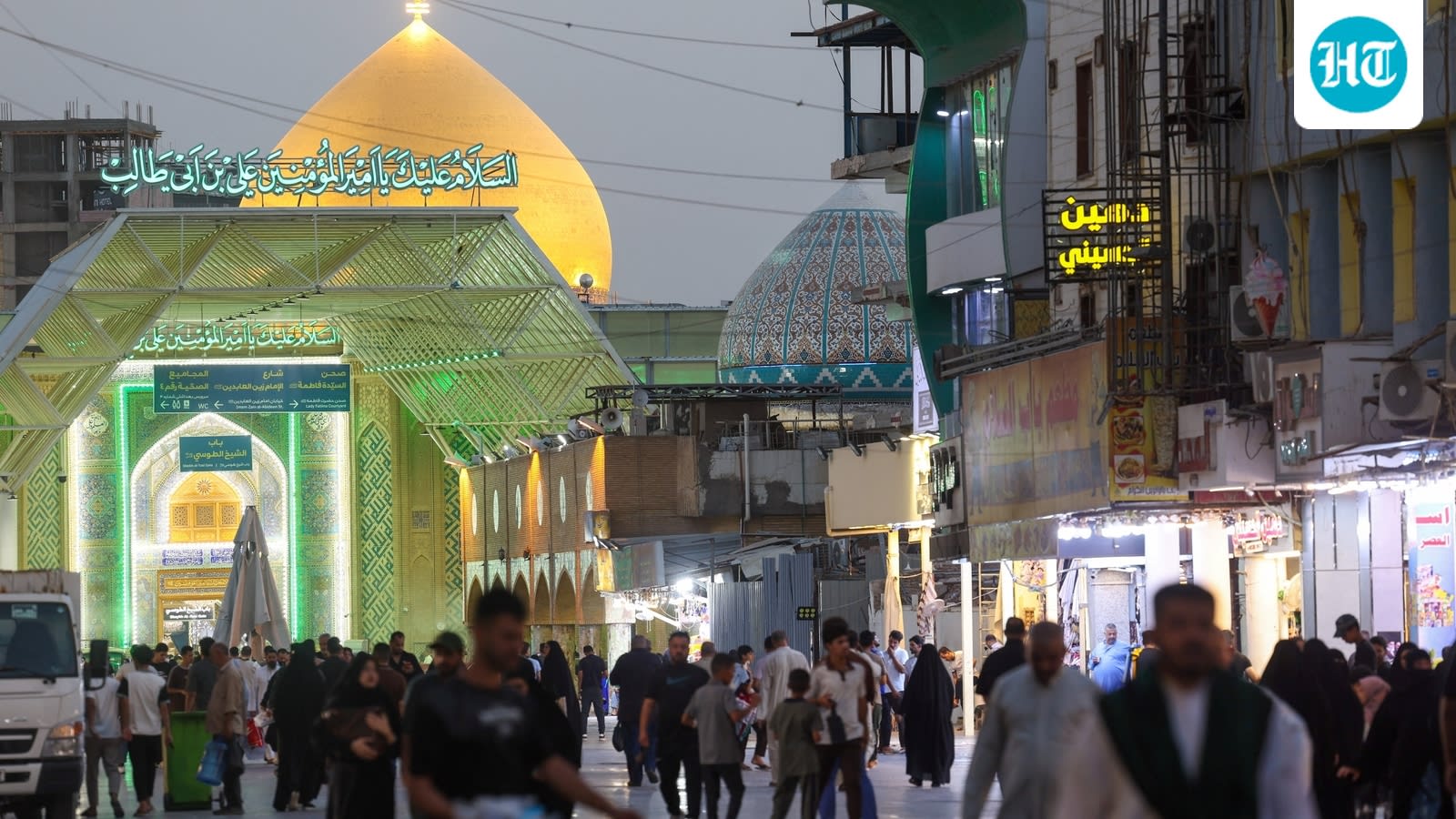
The United States has granted Iraqi Airways a sanctions waiver to operate flights between Iraq and Iran. This exemption specifically facilitates travel for pilgrims visiting the holy city of Najaf.
US Grants Sanctions Waiver for Iraq-Iran Pilgrimage Flights
Diplomatic Maneuvering Amidst Sanctions
In a significant diplomatic development, the United States has officially granted a sanctions waiver to Iraq’s national carrier, Iraqi Airways, permitting the airline to resume flights to Iran. This decision follows intensive negotiations between the Iraqi government and U.S. officials, initiated after the imposition of strict sanctions on Iran’s aviation sector. The successful procurement of this exemption reflects the complex balancing act Iraq must perform as it navigates its geopolitical position between Washington and Tehran.
The Role of Religious Pilgrimage
The core justification for this waiver lies in the humanitarian and religious significance of the route. The exemption is specifically tailored to facilitate the movement of pilgrims traveling to and from the Iraqi holy city of Najaf. As a major center for Shia Islam, Najaf attracts millions of visitors annually, many of whom originate from Iran. By isolating this specific travel corridor, the U.S. has acknowledged the necessity of maintaining religious access while still adhering to the broader framework of its sanctions policy.
Ministerial Efforts and Government Coordination
The breakthrough was the result of direct intervention by Iraqi leadership, specifically Prime Minister Ali al-Zaidi and Transport Minister Wahb al-Hasani. Their efforts highlight the importance the Iraqi government places on maintaining regional connectivity. The transport ministry’s official statement underscores that the exemption was not a unilateral concession but a negotiated outcome, indicating that Iraqi authorities successfully argued for the necessity of these flights based on the unique religious landscape of the region.
Implementation Challenges and Future Outlook
While the legal hurdle of the sanctions has been cleared, practical implementation remains in its early stages. According to reports from airport sources, while the authorization has been communicated to the relevant aviation authorities, a formal flight schedule has yet to be established. This suggests that while the political path is clear, the logistical integration of these flights into the current aviation environment will require further coordination between Iraqi Airways and the relevant Iranian authorities.
Broader Implications for Regional Stability
This development serves as a microcosm of Iraq's delicate foreign policy. Iraq often finds itself caught in the crosshairs of U.S.-Iran tensions. By securing this waiver, the Iraqi government has demonstrated a degree of agency in protecting its national interests—specifically the facilitation of religious tourism—without completely severing ties with its Western allies. Moving forward, the success of this flight corridor may serve as a precedent for how humanitarian and religious exemptions can be carved out within broader international sanctions regimes.
Concluding Summary
The granting of this waiver represents a pragmatic approach to a highly sensitive geopolitical issue. By prioritizing the needs of pilgrims, all parties involved have managed to find a middle ground that respects regional religious traditions while navigating the constraints of international sanctions. As Iraq moves to finalize its flight schedules, the efficacy of this arrangement will be closely watched as a potential model for managing similar cross-border travel requirements in the future.
Verification Required?