US unveils fresh tariffs of up to 12.5% on 60 economies; rate for India lowered to 10%
Source Entity
TOI BUSINESS DESK
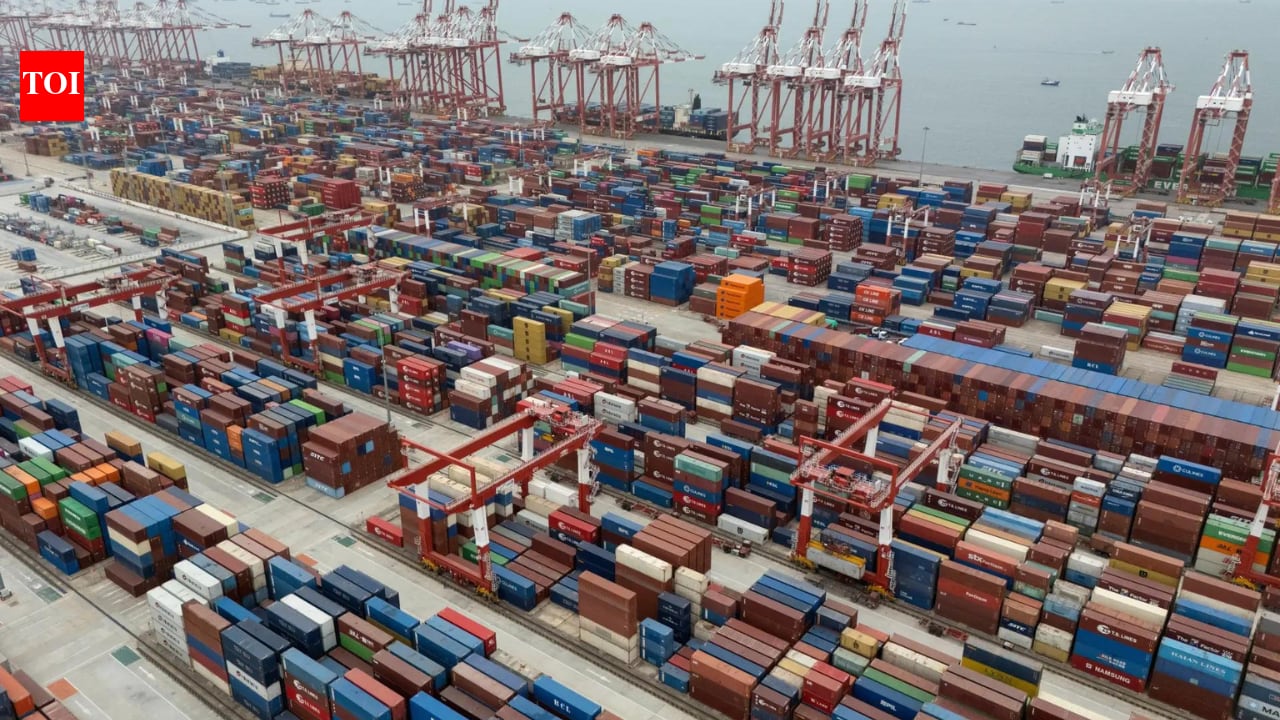
The Trump administration has implemented new tariffs of up to 12.5% on 60 economies, with India securing a lower 10% rate. These measures under Section 301 of the Trade Act of 1974 aim to combat goods produced via forced labor.
Analysis of New US Tariff Measures
The Trump administration has officially announced a new wave of trade tariffs affecting 60 global economies, signaling a significant shift in U.S. trade enforcement. Under the provisions of Section 301 of the Trade Act of 1974, these duties are designed to pressure trading partners into strengthening their regulatory frameworks against goods manufactured through forced labor. While the broader mandate imposes tariffs ranging between 10% and 12.5%, India has been placed in the lower 10% bracket following recent policy adjustments.
Strategic Implications for India
For India, the transition to a 10% tariff rate represents a nuanced outcome in a complex trade landscape. This move replaces the temporary, blanket 10% global tariff that was scheduled to expire. By qualifying for the lower tier of the new duty structure, India avoids the more punitive 12.5% rate applied to other nations, a development likely stemming from ongoing consultations and the specific findings of the U.S. Trade Representative (USTR) investigations.
The Legal Framework: Section 301
The use of Section 301 is a critical tool in the U.S. arsenal for addressing what it deems to be unfair trade practices. The process involved extensive public hearings and inter-governmental consultations, culminating in the current enforcement action. As USTR Jamieson Greer noted, these measures are the result of rigorous probes into labor standards, reflecting an increasing intersection between international human rights standards and domestic trade policy.
Categorization of Indian Exports
To understand the impact on the Indian economy, one must look at the stratified nature of these tariffs. Currently, Indian exports to the U.S. are categorized into three distinct buckets:
- Section 232 Products: Commodities such as steel, aluminum, copper, and auto components—which account for approximately 8% of India's exports—remain subject to significantly higher tariffs of 25% or 50%.
- Exempted Goods: A limited subset of products continues to benefit from normal Most Favored Nation (MFN) tariff rates.
- General Exports: The remaining 70% of Indian exports, including engineering goods, chemicals, and machinery, are now subject to the new 10% tariff structure.
Future Trends and Compliance
The transition period is relatively tight, with the new duties effective as of 12.01 am EDT on Friday. However, the USTR has provided a critical grace period for goods already in transit, which will remain exempt until July 28. This move provides a narrow window for logistics chains to adjust to the new reality. Moving forward, the global trade environment will likely see increased scrutiny on supply chains, as nations scramble to prove compliance with forced labor standards to potentially negotiate down these tariff rates in future rounds of the Section 301 review process.