Hot U.S. inflation hasn’t cooled off. Rising consumer prices to keep Fed rate hike on track.
Source Entity
Jeffry Bartash
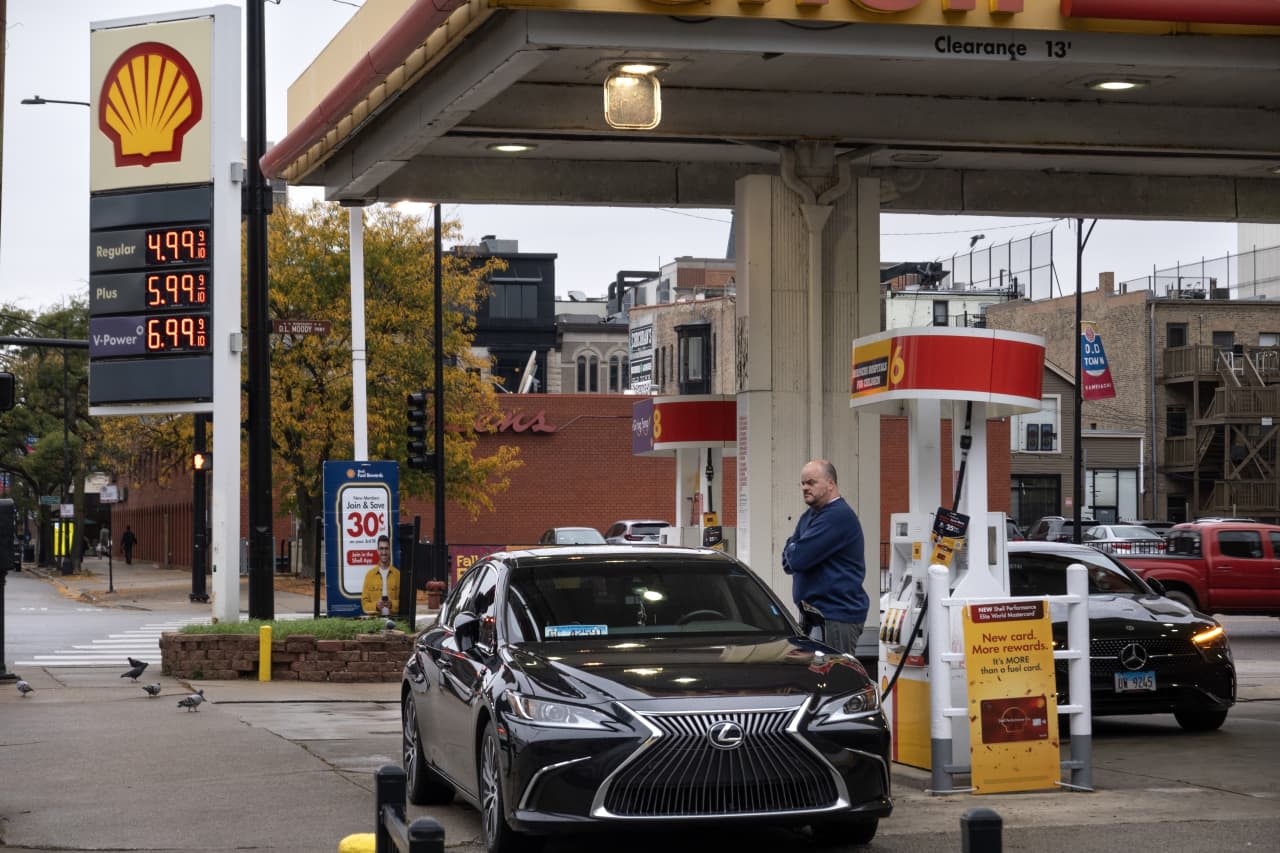
U.S. inflation data due Tuesday is expected to show persistent price pressures, potentially prompting the Federal Reserve to hike rates before year-end. While falling gas prices offer temporary relief, broader economic concerns continue to challenge the current stock market rally.
The Inflation Outlook: A Critical Test for the U.S. Economy
As the Bureau of Labor Statistics prepares to release its October Consumer Price Index (CPI) report, the financial markets are bracing for a pivotal moment. Expectations currently suggest a headline increase of 0.3% and a core increase of 0.2%. This data serves as a litmus test for the resilience of the current stock market rally, which has recently broadened beyond the dominance of Big Tech firms into a more diverse rotation trade.
The Duality of Energy Costs and Core Inflation
While consumers have found a modicum of relief at the gas pump—with the Energy Information Administration reporting a decline of over 4%—this respite is increasingly viewed as an isolated benefit. The broader economic picture remains clouded by stubborn price pressures in non-energy sectors. These persistent trends are forcing analysts and investors to closely monitor the upcoming CPI figures to determine if the inflationary trajectory is finally cooling or if it remains deeply entrenched.
Federal Reserve Policy and Borrowing Costs
Federal Reserve officials have signaled significant concern regarding the durability of these inflationary pressures. Despite the decline in gasoline prices, the fear is that inflation is becoming structural rather than transitory. Consequently, the consensus is shifting toward the likelihood of the Fed increasing borrowing costs before Christmas. This potential policy tightening is designed to curb demand and stabilize the economy, though it simultaneously heightens the risk of market volatility.
Geopolitical and Policy-Driven Headwinds
Much of the current uncertainty is attributed to complex global and domestic factors. Fed officials have specifically highlighted that inflationary trends, initially catalyzed by the implementation of tariffs under President Donald Trump and the impacts of the Iran war, have proven more difficult to contain than previously anticipated. These external shocks have created a ripple effect, causing price pressures to migrate into sectors that were initially shielded from the immediate impact of global supply chain disruptions.
Market Resilience Under Pressure
Tuesday’s CPI report, combined with a heavy schedule of Federal Reserve speakers, will provide the definitive signal for the market's next move. The 'rotation trade'—where investors move capital from high-growth tech stocks into cyclical sectors—is currently being put to the test. Whether this rally can sustain itself depends entirely on whether the inflation data confirms the Fed's hawkish stance or provides evidence that the economy can handle current interest rate levels without further intervention.
Future Implications and Conclusion
Looking ahead, the interplay between fiscal policy, geopolitical stability, and monetary intervention will define the economic landscape for the remainder of the year. If inflation remains hot, the Fed will have little choice but to maintain a restrictive stance, which could weigh heavily on consumer spending and corporate growth. Conversely, any sign of softening could provide the necessary breathing room for the economy to stabilize, marking a critical turning point for investors and policy makers alike.
Verification Required?