Pentagon withheld data on troop injuries in Iran war, says report; Trump admin reacts
Source Entity
TOI WORLD DESK
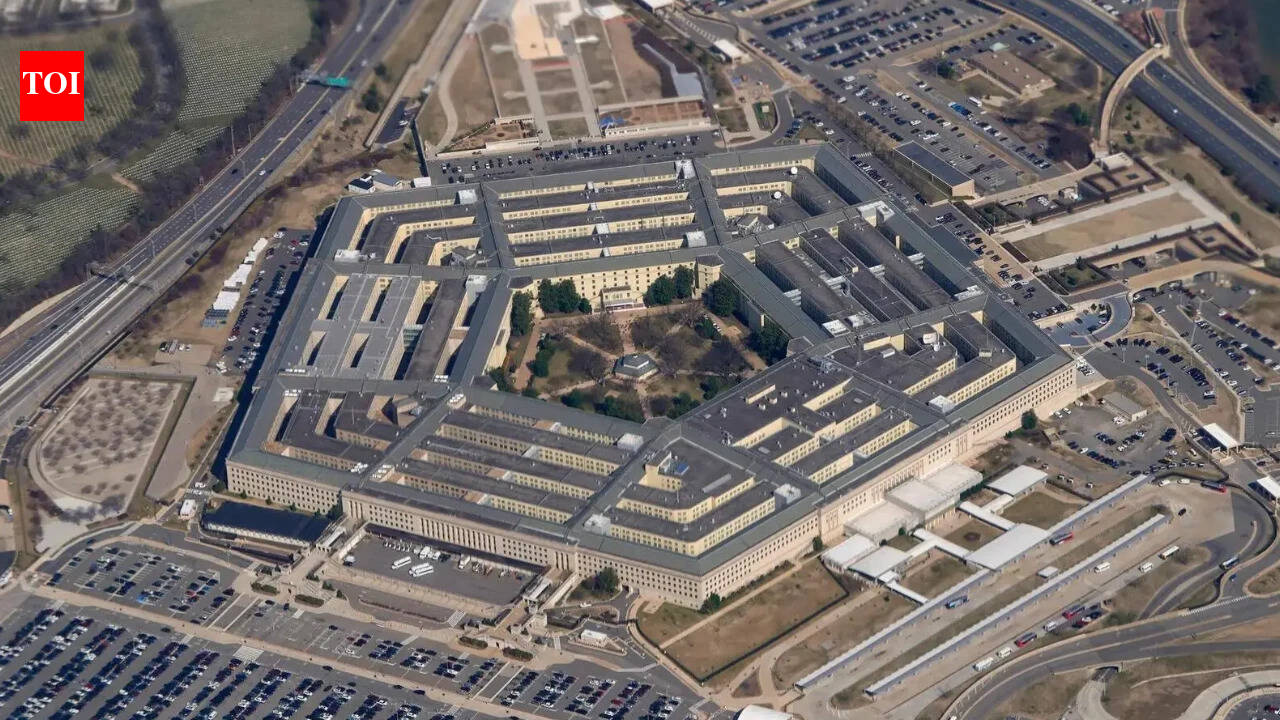
The U.S. and Iran are engaged in an escalating conflict following the deaths of multiple American service members and retaliatory U.S. strikes. The situation has severely impacted stability in the Strait of Hormuz and led to broader regional attacks on U.S. allies.
Escalating Tensions: The U.S.-Iran Conflict Intensifies
The ongoing military confrontation between the United States and Iran has entered a volatile new phase, marked by a significant human toll and persistent aerial engagements. Recent reports confirm that over 400 U.S. service members have been injured since the escalation began, with fatalities occurring in both Jordan and northern Iraq. The most recent casualty, a service member killed while managing debris from a downed Iranian drone, underscores the unpredictable and multifaceted nature of this theater of operations.
The Strategic Chokepoint: The Strait of Hormuz
A primary catalyst for the current U.S. military posture is the threat posed to international maritime traffic in the Strait of Hormuz. U.S. Central Command (CENTCOM) has maintained a campaign of nightly strikes—now reaching their tenth consecutive night—specifically designed to degrade Iranian capabilities that threaten commercial shipping. By targeting military and communications infrastructure, the U.S. aims to restore freedom of navigation in this critical energy artery, which remains vital to the global economy.
Retaliation and Rhetoric
The geopolitical climate has been further strained by the rhetoric emerging from Washington and Tehran. President Donald Trump has issued stern warnings, vowing that Iran will pay "many times over" for the deaths of American personnel. These declarations reflect a hardening stance in U.S. foreign policy, shifting from defensive posturing to active, sustained retaliation. Conversely, Iranian President Masoud Pezeshkian has characterized the current state of affairs as a "full-scale war," signaling a departure from the previously contained skirmishes of the past.
Regional Spillover and Diplomatic Fragility
The conflict has expanded well beyond the initial points of contact, with Iran reportedly launching missile barrages against U.S. allies, including Kuwait, Jordan, and Bahrain. This geographic expansion suggests a strategy by Tehran to exert pressure across the Middle East, forcing a wider defensive commitment from the United States. While military operations dominate the headlines, reports indicate that back-channel diplomatic communications remain active, though an interim ceasefire agreement has effectively collapsed.
Economic Implications and Future Trends
The persistence of these strikes and the disruption to the Strait of Hormuz have sent shockwaves through global energy markets, leading to climbing oil prices. The risk of further regional destabilization remains high as both nations navigate a path between total war and limited engagement. As the U.S. continues its targeted strikes and Iran maintains its aggressive posture, the international community faces the prospect of a prolonged, high-intensity conflict that threatens to reshape the security architecture of the Persian Gulf for the foreseeable future.
Multiple Citing Sources