Iran targets military bases as US launches wave of strikes
Source Entity
BBC News
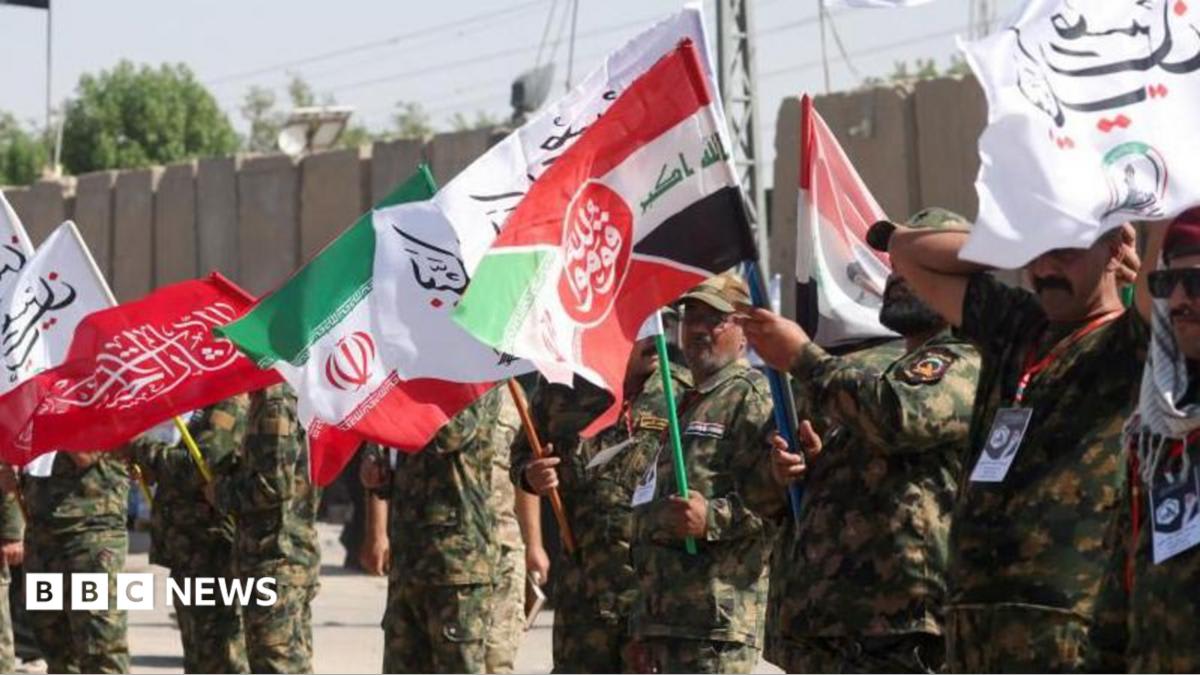
The United States and Iran have entered a phase of direct military escalation, with the US launching a wave of strikes and Iran responding by targeting military bases, resulting in widespread explosions across Iran and reported attacks in neighboring Gulf states.
Escalation in the Middle East: US and Iran Exchange Military Strikes
In a sudden and dangerous escalation of geopolitical tensions, the United States has launched a wave of military strikes targeting Iranian interests, prompting a swift and aggressive response from Tehran. Reports indicate that explosions were heard across various Iranian territories overnight, coinciding with reports of attacks within neighboring Gulf states. This cycle of violence marks a significant shift from the 'shadow war' that has characterized US-Iran relations for decades, moving instead toward direct kinetic engagement that threatens to destabilize the entire region.
Strategic Analysis of the Strikes
The nature of the strikes—specifically Iran's targeting of military bases—suggests a calculated attempt to signal deterrence. By striking military infrastructure, Iran aims to demonstrate its capability to project power and inflict costs on US assets and allies in the region. Conversely, the US 'wave of strikes' likely represents a strategy of degradation, intended to neutralize Iranian capabilities or respond to perceived provocations. The fact that explosions were heard across Iran suggests a wide-reaching operation, possibly targeting command-and-control centers or missile launch sites, which are critical to Iran's regional strategy.
Regional Contagion and Gulf State Involvement
A critical detail in this event is the report of attacks in neighboring Gulf states. The Middle East is a complex web of alliances, and the involvement of Gulf nations often transforms bilateral conflicts into regional crises. The reporting of attacks in these states suggests that the conflict is not contained within the borders of Iran and US-controlled zones. This could imply the use of proxy forces or the targeting of logistical hubs that support US operations. For the Gulf states, this escalation increases the risk of collateral damage and forces a precarious balancing act between their security partnership with the US and their desire to avoid a total regional war.
Historical Context and the Cycle of Violence
To understand this event, one must look at the historical volatility between Washington and Tehran. Since the 1979 Islamic Revolution, the relationship has been defined by mutual distrust, sanctions, and periodic military clashes. This current escalation follows a pattern seen in previous years, such as the 2020 assassination of Qasem Soleimani and the subsequent Iranian missile attacks on Al-Asad Airbase. The recurring nature of these events suggests that both nations are locked in a cycle of 'tit-for-tat' escalation where each side attempts to establish a new 'red line' of deterrence without crossing the threshold into a full-scale conventional war.
Broader Implications and Global Stability
The implications of these strikes extend far beyond the immediate blast zones. The Strait of Hormuz, a vital artery for global oil shipments, remains highly vulnerable during such escalations. Any perceived threat to maritime security could lead to a spike in global energy prices, triggering economic instability worldwide. Furthermore, this escalation complicates ongoing diplomatic efforts regarding nuclear non-proliferation and regional security frameworks, as military action often undermines the trust necessary for diplomatic breakthroughs.
Future Trends and Predictions
Looking forward, the trajectory of this conflict will likely depend on the level of damage sustained by both parties. If the US strikes significantly degraded Iranian capabilities, Tehran may pivot toward asymmetric warfare or increased proxy activity to avoid further direct confrontation. However, if the Iranian response is viewed as an effective deterrent, we may see a period of tense standoff. The most critical risk is a miscalculation—a strike that causes unexpected civilian casualties or hits a high-value target—which could trigger an uncontrollable spiral of escalation leading to a larger regional conflict.
Conclusion
The exchange of strikes between the US and Iran represents a volatile moment in international relations. With military bases targeted and neighboring states caught in the crossfire, the situation remains fluid and highly dangerous. While both nations may be seeking to project strength, the fragility of the regional balance suggests that only a rapid return to diplomatic channels can prevent a localized military exchange from evolving into a systemic regional war.