Stocks mixed, oil and Treasury yields drop on Iran-US pause
Source Entity
Yahoo Finance
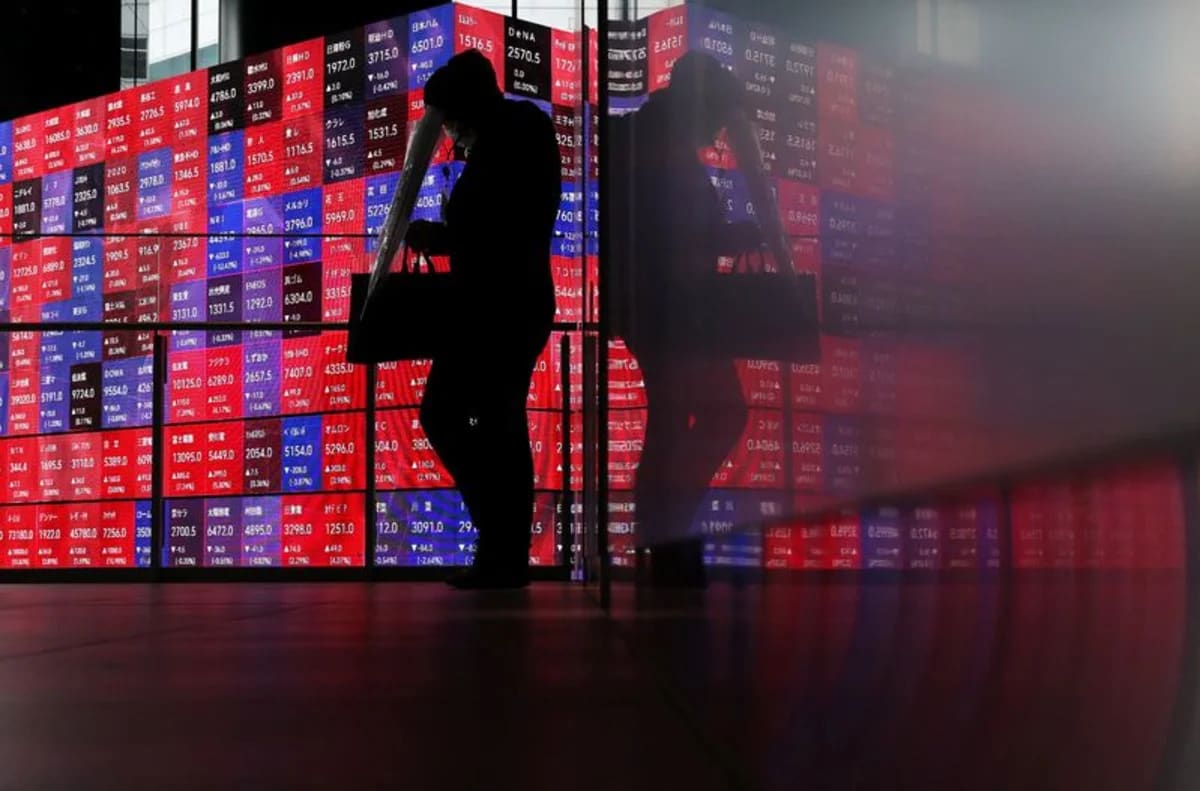
Global markets have reacted positively as the U.S. and Iran pause hostilities, leading to a significant drop in oil prices and U.S. Treasury yields. The de-escalation offers a reprieve from recent volatility caused by concerns over the Strait of Hormuz.
Market Relief as U.S.-Iran Tensions De-escalate
Global financial markets experienced a notable shift on Monday as geopolitical tensions between the United States and Iran appeared to stabilize. Following a weekend of halted military activity, both nations signaled a tactical pause, with the U.S. ambassador to the UN stating that attacks were suspended to allow "talks some space." This development has provided immediate relief to energy markets and broader economic benchmarks, reversing the upward pressure on oil prices and interest rates seen in recent days.
The Energy Market Pivot
Energy prices, which had surged significantly due to fears of supply chain disruptions, saw their sharpest decline in two months. Brent crude, the global benchmark, dropped more than 9% to fall below $88 per barrel, a stark contrast to the previous week where prices had breached the $100 mark. The primary catalyst for this initial spike had been the effective closure of the Strait of Hormuz—a vital maritime artery for roughly 20% of the world’s oil and liquefied natural gas. The current pause in hostilities offers a critical window for diplomacy to prevent the sustained disruption of this essential trade route.
Impact on U.S. Treasury Yields
As geopolitical risk premiums diminished, U.S. Treasury yields also moved downward. The 10-year Treasury note, which serves as a benchmark for consumer lending products such as mortgages and auto loans, fell by more than 3 basis points to 4.6406%. Because yields and bond prices move inversely, the drop in yields reflects a flight away from the extreme "safe-haven" demand that had characterized the market during the height of the conflict. By lowering the cost of borrowing, this shift provides a modest, albeit necessary, stabilization for consumer credit markets.
Short-Term and Long-Term Yield Dynamics
The 2-year Treasury note, which is highly sensitive to Federal Reserve interest rate policy, declined by 2 basis points to 4.3030%. This suggests that despite the geopolitical volatility, the market remains focused on the broader macroeconomic environment and the potential for shifts in central bank policy. Simultaneously, the 30-year Treasury yield, which often acts as a barometer for long-term geopolitical sentiment, fell by more than 3 basis points to 5.1260%. This synchronized decline across the yield curve highlights the market's collective sigh of relief as investors reassess the risk of a prolonged regional war.
Future Trends and Diplomatic Outlook
The durability of these market gains will depend almost entirely on the success of the ongoing "talks" mentioned by diplomatic officials. Should the pause in hostilities transition into a more durable ceasefire, energy prices may continue to normalize, providing relief to global inflationary pressures. However, the sensitivity of the Strait of Hormuz means that any resumption of conflict could rapidly reverse these trends. Investors and policymakers alike remain on high alert, watching for further signals from Tehran and Washington that could either solidify the peace or reignite volatility in the coming weeks.
Multiple Citing Sources