US-Iran War News LIVE: Iran Says Struck US Aircraft In Jordan With Missiles, Drones
Source Entity
NDTV News Search Records Found 1000
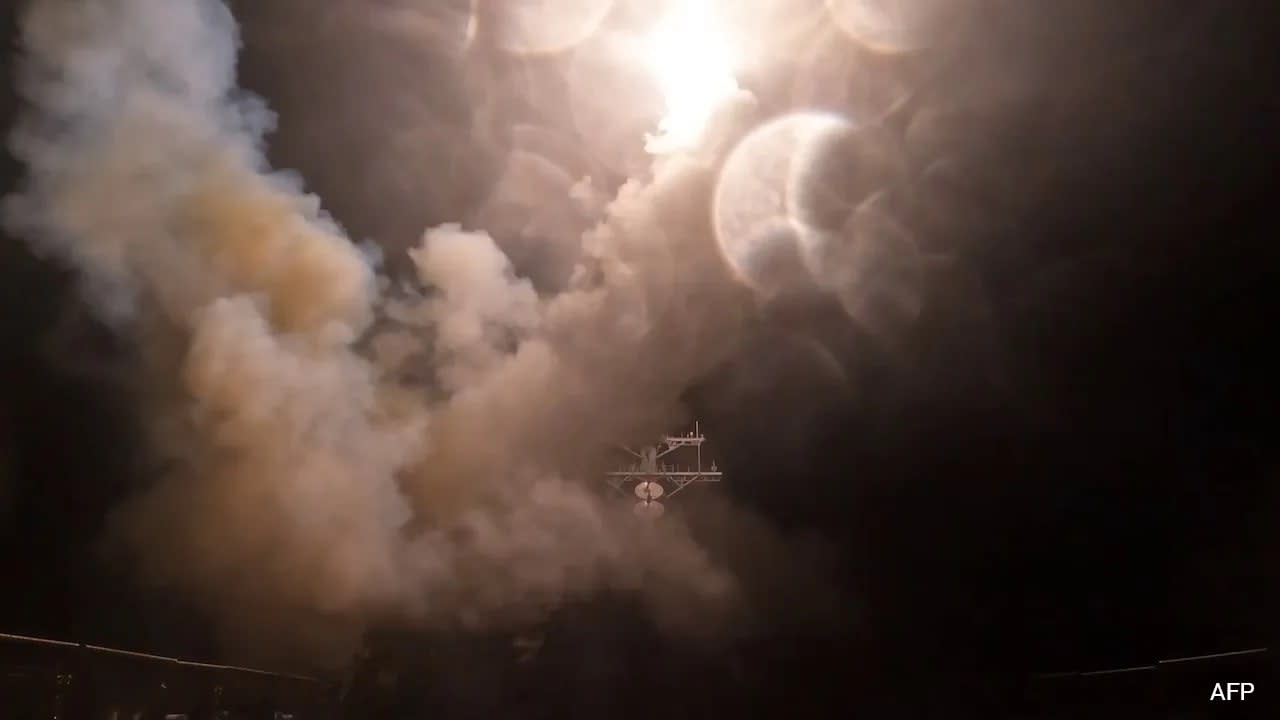
Tensions between the US and Iran have reached a critical juncture following reciprocal military strikes. The ongoing conflict threatens global energy security by endangering passage through the vital Strait of Hormuz.
Escalating Hostilities: The US-Iran Conflict
The current geopolitical landscape is defined by a significant escalation in hostilities between the United States and Iran. Recent reports indicate that the conflict has intensified, with Iran claiming to have targeted a US aircraft in Jordan using a combination of missiles and drones. This development marks a dangerous departure from previous proxy-level engagements, signaling a direct confrontation that risks drawing regional powers deeper into a volatile military cycle.
The Human and Military Cost
The intensity of this conflict is underscored by the United States' sustained military response. Reports confirm that the US has launched its sixth consecutive night of retaliatory strikes, resulting in at least seven casualties. This relentless campaign reflects a strategic shift toward active, sustained engagement rather than isolated defensive maneuvers, highlighting the gravity of the current security environment in the Middle East.
Economic Implications and the Strait of Hormuz
Beyond the immediate military theater, the conflict poses a severe threat to global economic stability. A central pillar of this concern is the Strait of Hormuz, a critical maritime chokepoint. Historically, approximately one-fifth of all globally traded crude oil and natural gas flowed through this narrow passage. The disruption of this route, which previously operated without tolls or significant restrictions, threatens to spike energy prices and disrupt supply chains that are vital to the health of the global economy.
Strategic Challenges and Regional Instability
The ability of Iran to project power through missile and drone strikes against US assets suggests a sophisticated level of military preparedness that complicates US strategic objectives. By targeting US aircraft, Iranian forces are actively challenging the established security architecture in the region. This evolution in tactics forces the US to recalibrate its defensive posture, potentially leading to further cycles of escalation that are difficult to de-escalate through traditional diplomatic channels.
Future Trends and Global Energy Security
Looking ahead, the longevity of this conflict will likely be measured by its impact on international energy markets. As long as the Strait of Hormuz remains a focal point of military friction, global markets will remain susceptible to extreme volatility. Future trends suggest that unless a de-escalatory framework is established, the persistence of these nightly strikes and counter-strikes will continue to undermine the status quo, forcing global powers to seek alternative energy supply routes or risk prolonged economic instability.
Conclusion
In summary, the ongoing US-Iran conflict has transcended localized skirmishes to become a significant threat to regional stability and global energy security. With casualties rising and critical maritime infrastructure at risk, the international community faces the challenge of managing a conflict that shows few signs of immediate resolution. The intersection of military escalation and economic vulnerability makes this one of the most pressing geopolitical crises of the current era.
Verification Required?