US-Iran War Live Updates: Tehran’s UN envoy warns against US, Israel’s ‘relentless threats’
Source Entity
The Indian Express
Tensions in the Middle East have escalated as Iranian officials warn of retaliatory strikes against nine countries if US-led aggression continues. The conflict, now in its eighth month, involves regional instability, Houthi attacks, and conflicting claims of responsibility between Tehran and Washington.
Escalation in the Strait of Hormuz: A Regional Crisis
The ongoing geopolitical friction between the United States and Iran has reached a critical juncture as the conflict enters its eighth month. Recent reports indicate that an adviser to Iran’s Supreme Leader, Mojtaba Khamenei, has issued a stark warning: Iran is prepared to strike nine countries if the United States launches further attacks on Iranian military bases or petrochemical infrastructure. This rhetoric underscores the hardening stance in Tehran, which views current US military actions as unprovoked aggression that has destabilized the broader Middle Eastern landscape.
The Strategic Chokepoint
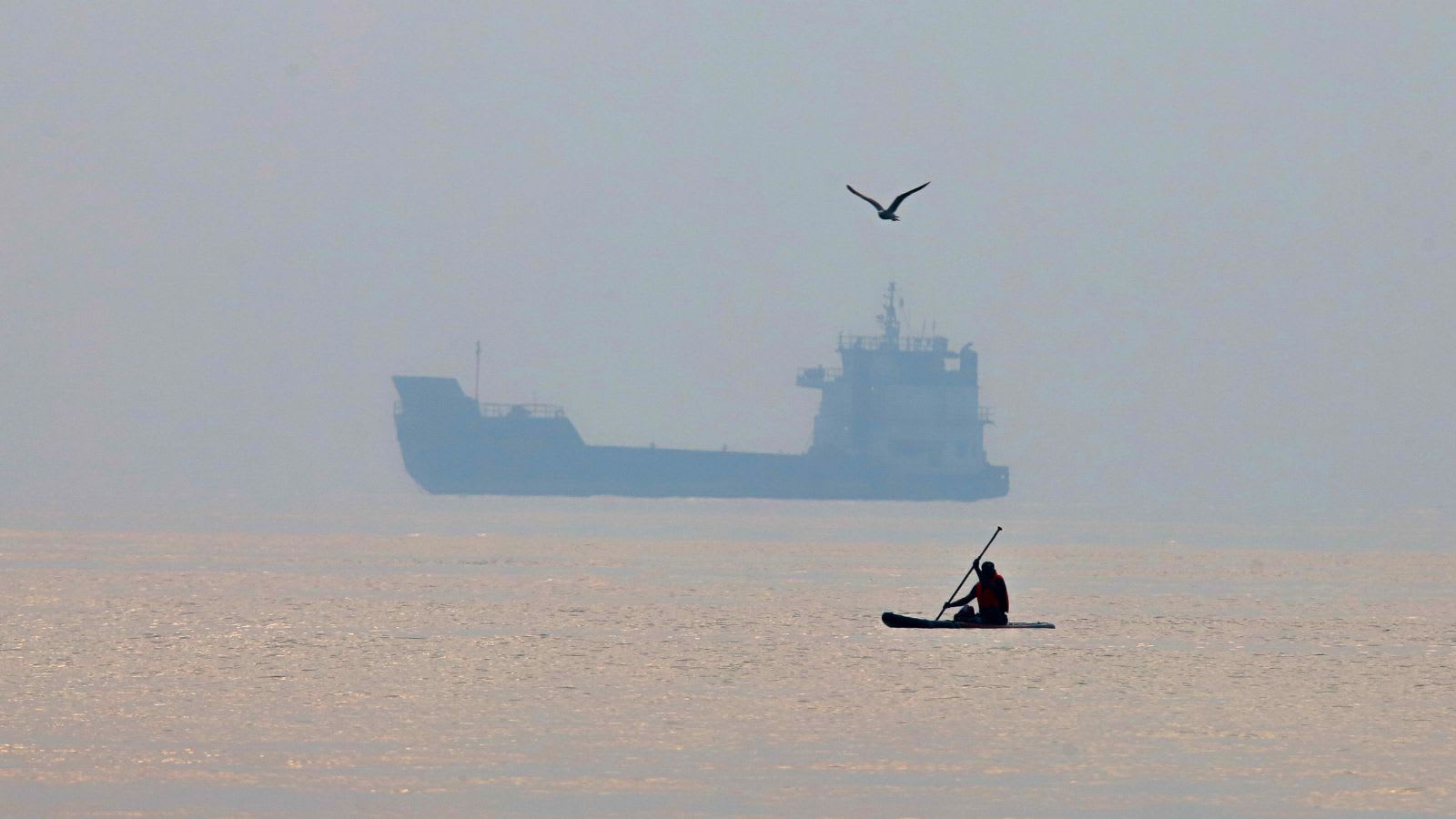
Central to this escalating tension is the Strait of Hormuz, a vital maritime chokepoint for global energy supplies. The presence of commercial vessels, as documented near Bandar Abbas, serves as a visual reminder of the economic stakes involved. Tehran has explicitly blamed the United States for the prevailing insecurity in these waters, arguing that the US military presence is the primary catalyst for the current regional volatility. This narrative is a cornerstone of Iran's diplomatic strategy, aimed at framing the US as an external disruptor of local stability.
Regional Spillover and Houthi Involvement
The conflict is no longer confined to direct US-Iran friction. The recent Houthi missile attack on a government training center in Yemen, which resulted in dozens of casualties, demonstrates the dangerous expansion of the fighting. By involving regional proxies, the conflict has widened, complicating diplomatic efforts to contain the violence. The loss of life in Yemen highlights the human cost of this broadening theater of war, shifting the focus from localized maritime disputes to a pervasive regional security crisis.
Diplomatic Deadlock and Political Posturing
Diplomatically, the situation remains at an impasse. Iran’s foreign minister maintains that the United States initiated the hostilities without justification, asserting that Washington is now trapped in a conflict it cannot easily resolve. Conversely, political rhetoric from the United States, specifically claims by Donald Trump regarding a desire to "finish the job," adds a layer of unpredictability to the situation. These divergent narratives illustrate the complete breakdown of dialogue between the two nations.
Future Implications and Global Stability
As the war enters its eighth month, the potential for further escalation remains high. The threat to target nine countries suggests that Iran is moving toward a strategy of deterrence that involves regional allies and neighbors. If these threats materialize, the global energy market and international security architecture will face unprecedented challenges. The trajectory of this conflict suggests that without a significant shift in diplomatic engagement, the region will continue to face cycles of retaliation that threaten to engulf more nations in the crossfire.