As US-Iran tensions flare up, vessel transits through Hormuz crash to pre-MoU levels. Here’s why
Source Entity
Sukalp Sharma
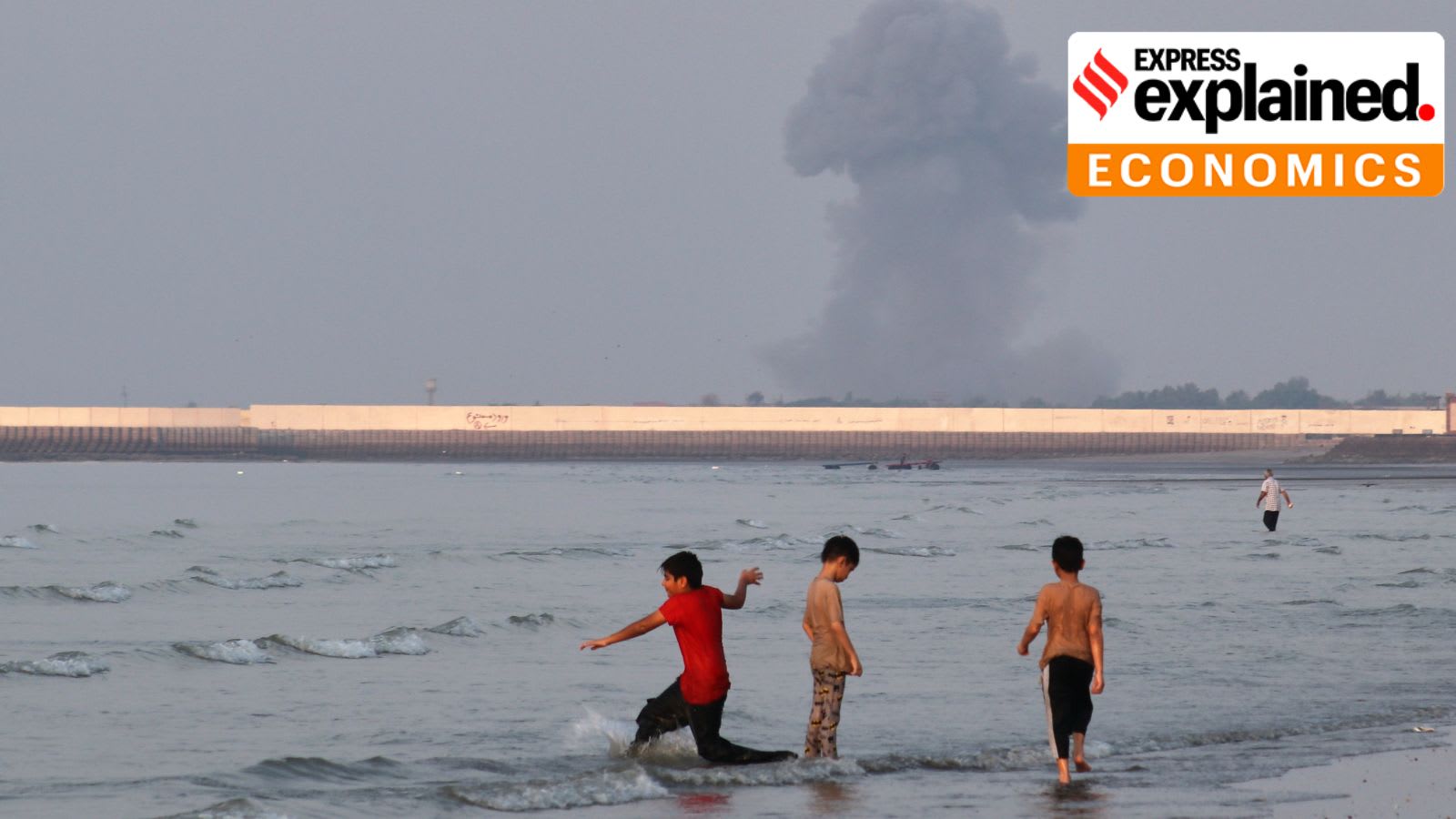
With the renewed flare-up in tensions between the US and Iran, vessel movements through the critical trade artery of the Strait of Hormuz have crashed to the lowest in nearly a month, to levels seen b...
Geopolitical Volatility and the Strait of Hormuz: An Analysis of Trade Disruptions
The Strait of Hormuz has once again become the epicenter of global economic anxiety as vessel transits have crashed to levels not seen since before the implementation of previous Memorandums of Understanding (MoUs). This sharp decline in maritime traffic is a direct manifestation of the renewed flare-up in tensions between the United States and Iran. As a critical trade artery, any instability in this region sends immediate ripples through global energy markets and shipping logistics, highlighting the fragile balance between diplomatic agreements and military posturing.
The Strategic Chokepoint and Global Energy Security
To understand the gravity of the transit crash, one must recognize that the Strait of Hormuz is perhaps the most important oil transit chokepoint in the world. A significant portion of the world's total oil consumption passes through this narrow waterway. When tensions between the US and Iran escalate, the perceived risk of seizure, harassment, or kinetic conflict increases. Shipping companies, facing skyrocketing insurance premiums and safety concerns, often reduce their frequency of transit or seek alternative routes where possible, leading to the "crash" in numbers reported. This creates a feedback loop where reduced traffic signals instability, further discouraging maritime activity.
The Erosion of Diplomatic Frameworks
The mention of "pre-MoU levels" is particularly telling. Memorandums of Understanding in this region typically serve as fragile frameworks to prevent accidental escalation and ensure the safe passage of commercial vessels. The return to transit levels seen before these agreements suggests that the current diplomatic climate has effectively nullified the trust and operational safeguards previously established. When these frameworks collapse, the region reverts to a state of high-alert deterrence, where the Strait is viewed less as a commercial highway and more as a strategic tool for political leverage.
Economic Implications and Market Volatility
Beyond the immediate count of vessels, the decline in transits has profound economic implications. The shipping industry operates on thin margins and high predictability; the current volatility introduces systemic risk. As transit volumes drop, the cost of transporting liquefied natural gas (LNG) and crude oil rises due to increased risk premiums. This volatility often translates into price spikes for end-consumers globally, as the market prices in the possibility of a total blockade or a significant disruption in supply. The crash in transits is therefore not just a local shipping issue, but a global economic warning sign.
Future Outlook and Regional Stability
Looking forward, the trend of declining transits is likely to persist unless a tangible diplomatic off-ramp is established between Washington and Tehran. The historical pattern of this conflict suggests that maritime traffic serves as a barometer for diplomatic health. If the current trend continues, we may see a permanent shift in how shipping conglomerates evaluate the risk of the Persian Gulf, potentially leading to more aggressive investments in bypass pipelines or alternative energy sources to reduce dependency on the Strait.
Conclusion
The current crash in vessel transits through the Strait of Hormuz is a clear indicator of the deteriorating relationship between the US and Iran. By returning to pre-MoU levels of activity, the region has entered a phase of heightened risk that threatens global energy stability. Until diplomatic tensions ease, the Strait will remain a volatile variable in the global economy, with shipping volumes acting as the primary indicator of regional peace or impending conflict.