Iran threatens to block more trade routes as US launches fresh strikes
Source Entity
BBC News
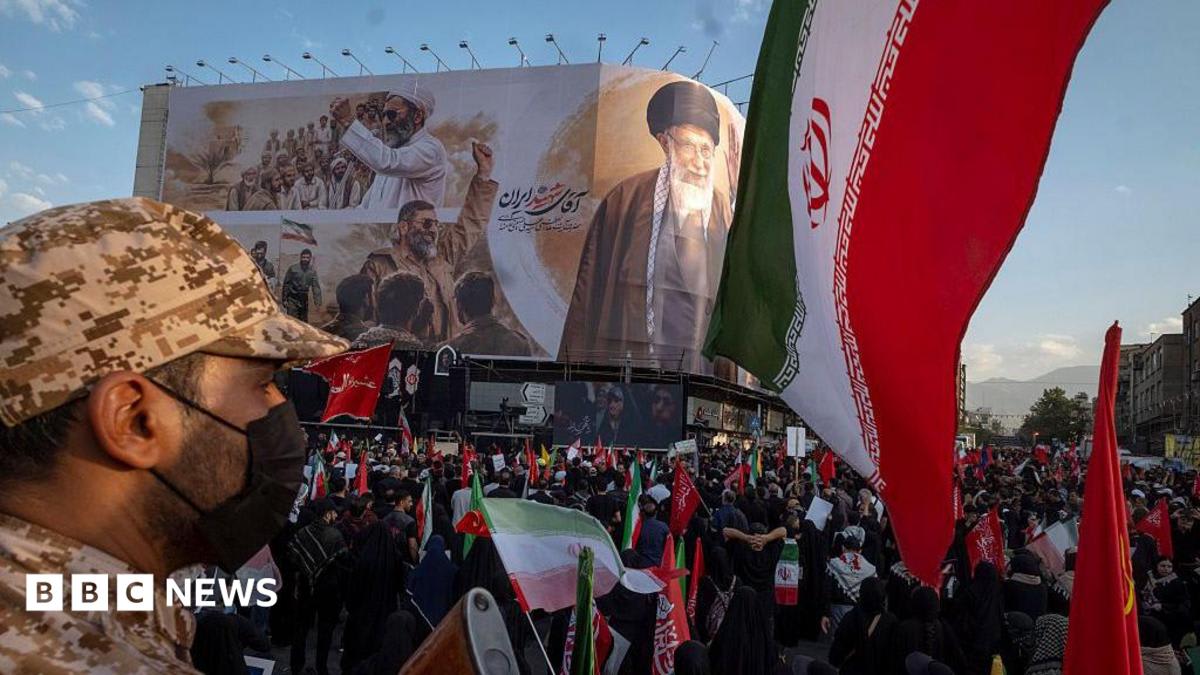
US President Donald Trump has threatened to target Iranian bridges and power plants to force a return to negotiations, while Iran has responded by threatening to block critical trade routes.
Escalation in the Persian Gulf: Strategic Brinkmanship and Global Risks
The geopolitical tension between the United States and Iran has reached a critical inflection point, characterized by a dangerous cycle of threats and counter-threats. The recent announcement by US President Donald Trump, vowing to target Iran's critical infrastructure—specifically bridges and power plants—marks a significant escalation in the 'maximum pressure' strategy. This move is designed to create an unsustainable domestic environment for the Iranian leadership, leveraging the threat of kinetic action to force Tehran back to the negotiating table.
The Strategy of Infrastructure Targeting
By specifically naming bridges and power plants as targets, the US is signaling a shift toward degrading Iran's strategic mobility and domestic stability. Bridges are vital for the movement of military assets and commercial goods, while power plants are the heartbeat of urban centers and industrial sectors. Striking these targets would not only hamper the Iranian military's ability to deploy forces but would also likely incite internal civil unrest due to widespread power outages and economic disruption. This approach aims to weaken the regime's grip on power by demonstrating that the US can project force deep into Iranian territory with precision.
Iran's Asymmetric Response: Trade Route Disruptions
In response to these threats, Iran has pivoted toward asymmetric warfare by threatening to block critical trade routes. The most significant point of vulnerability here is the Strait of Hormuz, a narrow chokepoint through which a substantial portion of the world's petroleum passes. By threatening to obstruct this route, Iran is effectively holding the global economy hostage. This strategy shifts the conflict from a bilateral dispute to a global crisis, as any significant disruption in oil transit would lead to a spike in energy prices, triggering inflation and economic instability across Asia, Europe, and North America.
Historical Context of US-Iran Hostility
This current friction is rooted in decades of mutual distrust, stemming from the 1979 Islamic Revolution and the subsequent hostage crisis. The cycle of sanctions followed by threats of military intervention has become a recurring theme in US foreign policy toward Tehran. Historically, Iran has used its geographical position and its network of regional proxies to offset the US's conventional military superiority. The current standoff is a continuation of this pattern, where the US utilizes its technological and military dominance to exert pressure, while Iran utilizes geographical bottlenecks to exert economic pressure.
Broader Global Implications
The implications of this escalation extend far beyond the borders of the two nations. Global markets are extremely sensitive to instability in the Middle East. A conflict involving the destruction of Iranian infrastructure and the closure of trade routes would likely cause a volatility shock in the Brent and WTI crude oil benchmarks. Furthermore, such an escalation risks drawing in regional allies, potentially expanding a localized conflict into a wider regional war involving other Gulf states, which would further destabilize the global supply chain and security architecture.
Future Trends and Potential Outcomes
Looking forward, the situation is likely to follow one of two paths: a face-saving diplomatic breakthrough or a rapid descent into open conflict. If the threat of infrastructure strikes successfully pressures the Iranian leadership, we may see a return to talks focused on nuclear limitations and regional security. However, if Iran perceives these threats as an existential risk, they may be inclined to act preemptively by closing trade routes, which would almost certainly trigger the US strikes. The window for diplomacy is narrowing, and the risk of a miscalculation by either side is currently at its highest peak.
Summary
The current standoff is a high-stakes gamble. The US is betting that the threat of infrastructure destruction will force diplomatic concessions, while Iran is betting that the threat of global economic chaos will deter US aggression. The outcome will either redefine the security landscape of the Middle East or plunge the region into a protracted and costly conflict.