As US measles cases rise, biotech firms start developing new treatments
Source Entity
Emily Mullin, wired.com
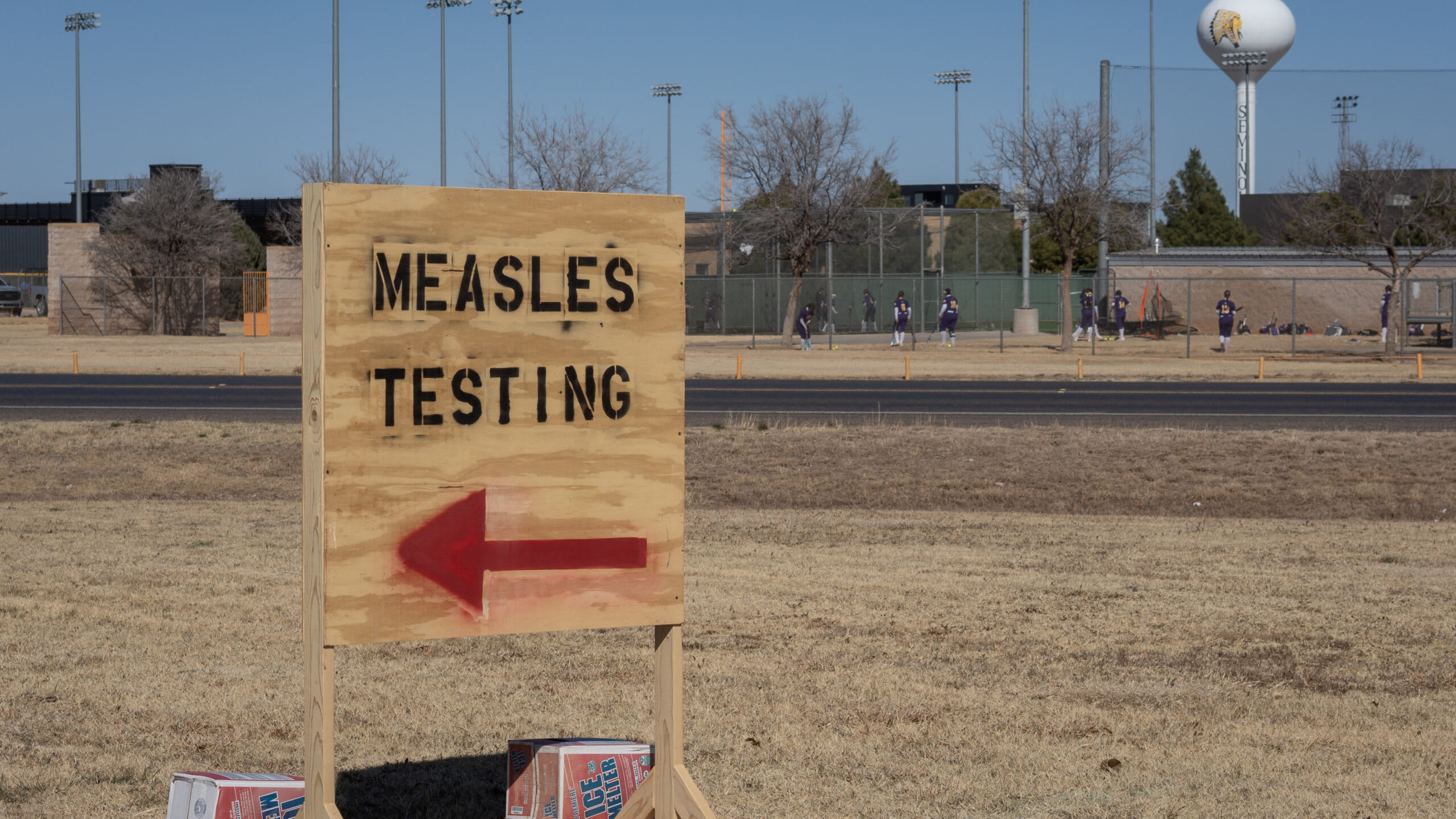
Measles cases in the US have hit a 35-year high, prompting biotech firms to develop new treatments for the infected and vulnerable. Experts warn that these countermeasures are years away and face uncertainty regarding adoption by vaccine-hesitant populations.
The Resurgence of Measles: A Shift in Medical Necessity
The United States is currently witnessing a stark public health reversal as measles cases reach a 35-year high. This development marks a significant departure from decades of successful eradication efforts, where high vaccination coverage rendered the disease a rarity. Historically, the efficacy of the MMR vaccine provided such robust herd immunity that the commercial and academic impetus to develop therapeutic treatments for those already infected remained virtually nonexistent.
The Economic and Medical Catalyst for Innovation
With vaccination rates trending downward, the landscape of infectious disease management is undergoing a forced evolution. Biotech firms and academic research groups are now pivoting to address the gap in care for both actively infected patients and vulnerable populations who require short-term prophylactic protection. This shift represents a reactive response to a changing epidemiological reality where the disease is no longer considered a relic of the past, but an active threat to public safety.
Analyzing the Current Outbreak Landscape
Data from the current year underscores the severity of the situation. Fueled by significant outbreaks in states such as South Carolina and Utah, the US has already eclipsed the total case count of 2024—which stood at 285—by July. Having already surpassed the 2,289 cases recorded throughout the entirety of last year, the nation is on a trajectory that suggests a failure of current preventative measures and an urgent need for therapeutic intervention.
Challenges in Clinical Development and Deployment
Despite the newfound urgency, the road to viable medical countermeasures is long and fraught with complexity. Clinical development cycles for antivirals and therapeutic agents typically span several years, meaning relief for the current wave of infections is not imminent. Researchers must navigate the rigorous requirements of clinical trials while simultaneously assessing the efficacy of potential treatments against the highly contagious nature of the measles virus.
The Behavioral Hurdles of Public Health
Perhaps the most significant challenge lies beyond the laboratory. There is profound uncertainty regarding the public reception of these future treatments, particularly among demographics that have historically refused vaccinations. If the hesitancy that fueled the current rise in cases persists, the uptake of new medical treatments may face similar resistance, complicating the broader goal of curbing transmission and protecting the most vulnerable segments of the population.
Conclusion: A Critical Turning Point
The emergence of biotech interest in measles treatments is a direct symptom of declining public health standards. While the development of new therapies offers a potential lifeline, it cannot replace the established gold standard of vaccination. As the US faces record-high infection rates, the future of disease control will depend not just on scientific innovation, but on the ability of the healthcare system to bridge the widening gap of public trust and policy effectiveness.