US Military Will Cut 20% Of Its Generals, Admirals: Pete Hegseth
Source Entity
NDTV News Search Records Found 1000
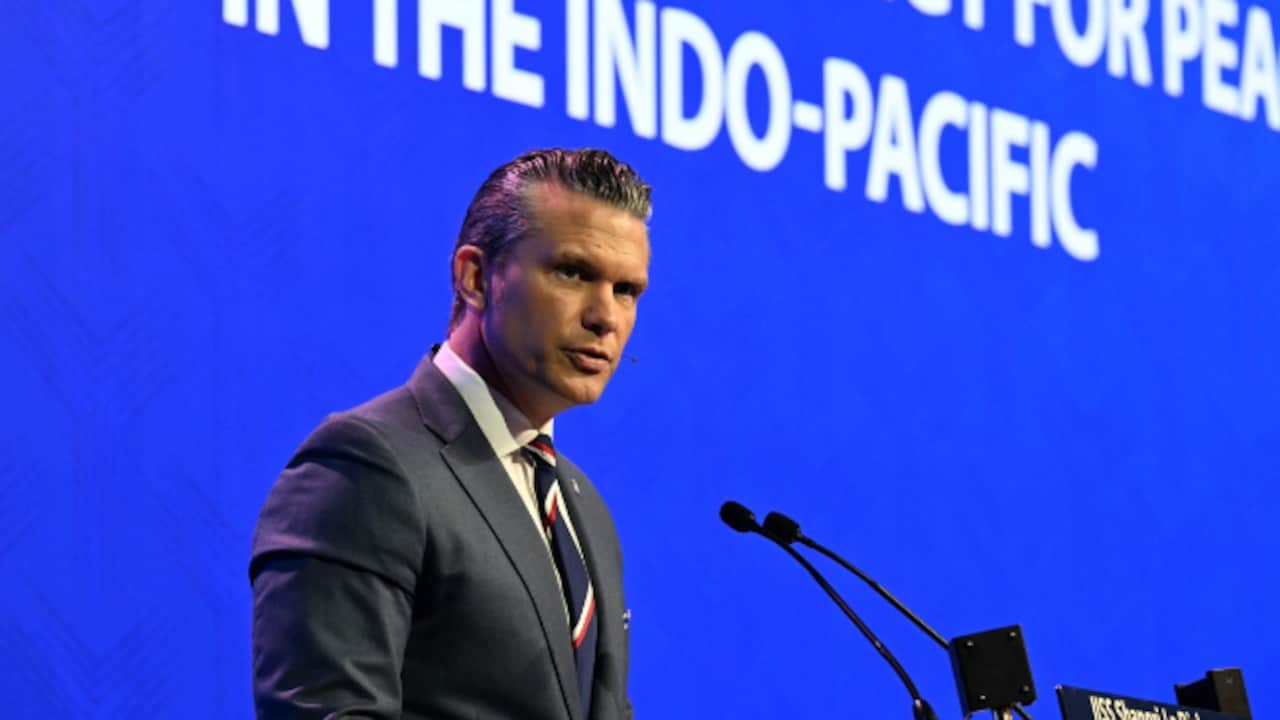
Pete Hegseth has confirmed that the U.S. military intends to reduce its total count of generals and admirals by 20%. This significant structural downsizing represents a major shift in the administrative oversight of the American armed forces.
Strategic Downsizing: The Pentagon's Command Restructuring
The recent announcement by Pete Hegseth regarding a 20% reduction in the number of generals and admirals within the United States military marks a pivotal moment in defense administration. This policy initiative signals a move toward leaner command structures, potentially aiming to address concerns regarding bureaucratic bloat that have persisted within the Department of Defense for decades.
Analyzing the Scope of Command Reduction
By targeting the highest echelons of military leadership, the initiative focuses on the 'flag officer' rank—a tier that has seen significant growth relative to the total number of enlisted personnel since the end of the Cold War. The proposed 20% cut is substantial, suggesting that the administration is seeking not just minor efficiency gains, but a fundamental realignment of how the military manages its strategic and operational leadership.
Historical Context of Military Bureaucracy
Historically, the proliferation of flag officers has often been criticized as a byproduct of mission creep and the increasing complexity of joint-force operations. Critics of the current structure argue that an overabundance of high-ranking officers can lead to slow decision-making processes and fragmented chains of command. This initiative appears to be an attempt to flatten these hierarchies, potentially returning the military to a more agile command model reminiscent of earlier eras.
Implications for Military Readiness and Oversight
While the goal of cutting 20% of senior leadership is framed as an efficiency measure, it carries significant implications for military readiness and civil-military relations. Reducing the number of generals and admirals requires a careful recalibration of responsibilities. If executed correctly, this could empower mid-level officers and clarify lines of authority; however, if mismanaged, it risks straining the existing leadership pool tasked with overseeing complex, global operations.
Future Trends in Defense Management
This policy shift is likely to spark intense debate within the halls of Congress and the Pentagon regarding the future of military staffing. As the U.S. military shifts its focus toward modernizing its technological capabilities and preparing for potential great-power competition, the administrative structure must adapt. This move suggests a future trend where the military prioritizes streamlined management, potentially setting a precedent for further organizational restructuring across other federal sectors.
Conclusion
The confirmation of a 20% reduction in flag officers is a bold administrative reform that aims to fundamentally alter the leadership landscape of the U.S. military. As this policy moves toward implementation, the focus will shift to how the Pentagon manages the transition, maintains operational continuity, and ensures that the reduction in senior ranks translates into a more effective and responsive defense apparatus.
Verification Required?