US military ends long-running program to spot nuclear missile launches
Source Entity
Eric Berger
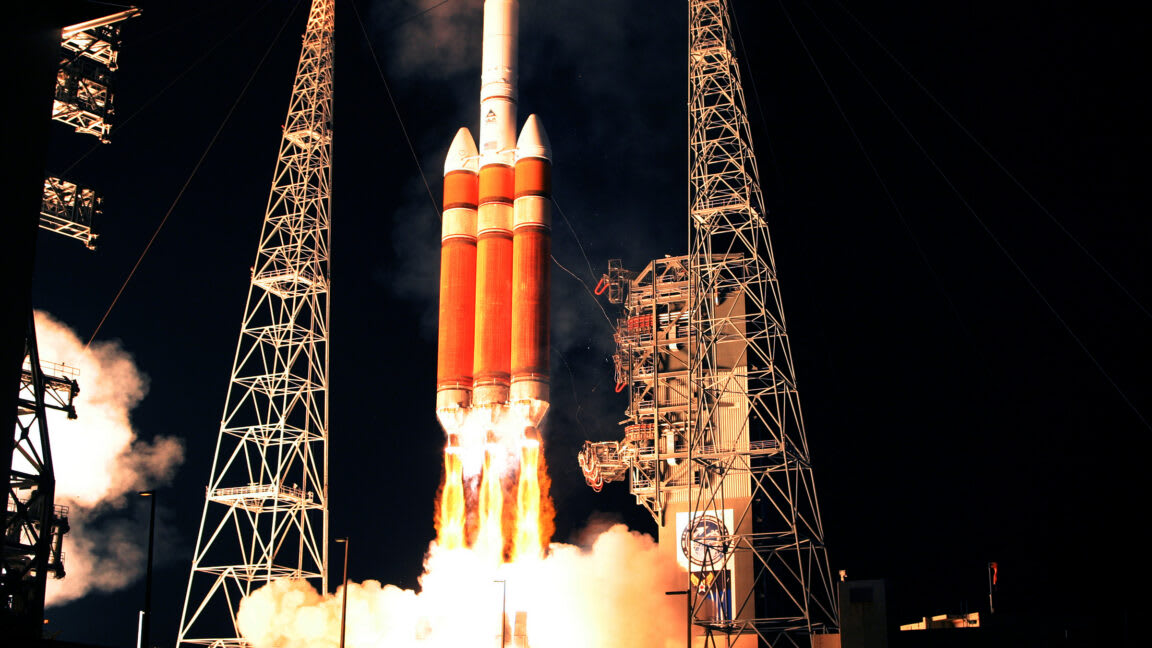
The US military has officially retired a long-running, top-secret satellite program dedicated to detecting nuclear missile launches. This transition marks the end of an era initiated in the 1970s, as the Space Force shifts focus toward newer, more advanced operational systems.
The Sunset of a Cold War Sentinel
The recent announcement that the United States military has officially terminated a long-running, top-secret program designed to monitor nuclear missile launches marks a significant turning point in global surveillance history. Initiated in late 1970 with a launch from the then-Cape Canaveral Air Force Station, this program served as a critical pillar of national security for over five decades. By utilizing highly sensitive payloads deployed via Titan IIIC rockets, the military established an orbital watchtower that remained operational long after the original hardware platforms had become relics of the space race.
A Legacy of Orbital Surveillance
The Titan IIIC, which carried these clandestine assets, was a workhorse of the 1970s and early 1980s, representing the peak of Cold War aerospace engineering. While the Titan family of rockets eventually bowed out of service in 2005, the payloads themselves continued to function in orbit, providing continuous data on potential missile threats. This continuity of operations highlights the robustness of early space-based reconnaissance technology, which managed to persist through decades of rapid technological evolution.
The Shift to Space Force and SpaceX
The transition of the launch site at Cape Canaveral from an Air Force station to a Space Force installation reflects the broader institutional pivot toward space as a primary domain of warfare. The site’s history—specifically the handover of Space Launch Complex 40 to SpaceX in 2005—serves as a case study in the privatization of spaceflight. Despite initial opposition from industry giants like United Launch Alliance, this move fundamentally reshaped how the U.S. government approaches orbital logistics, moving from state-run exclusivity to a competitive, commercialized model.
Modernizing the Missile Warning Architecture
While the retirement of this long-standing program might appear to create a security gap, the U.S. military has been preparing for this transition for some time. A newer, more sophisticated program has been operational since 2011, providing the necessary redundancy and technological advancement required to replace the aging 1970s-era assets. This overlap ensured that the integrity of the nuclear detection network remained uncompromised throughout the decommissioning process.
Future Outlook and Next-Gen Capabilities
Looking ahead, the military is poised to deploy the next generation of missile warning systems within the next 12 months. This rapid iteration cycle suggests a move toward more resilient, distributed, and sensitive satellite constellations, likely designed to counter modern hypersonic threats and evolving geopolitical challenges. As the Space Force continues to refine its orbital capabilities, the retirement of these original, top-secret payloads serves as a final chapter in a program that defined the silent, high-stakes surveillance of the late 20th century.