How a routine US Navy training mission became a famous UFO case
Source Entity
TOI SCIENCE DESK
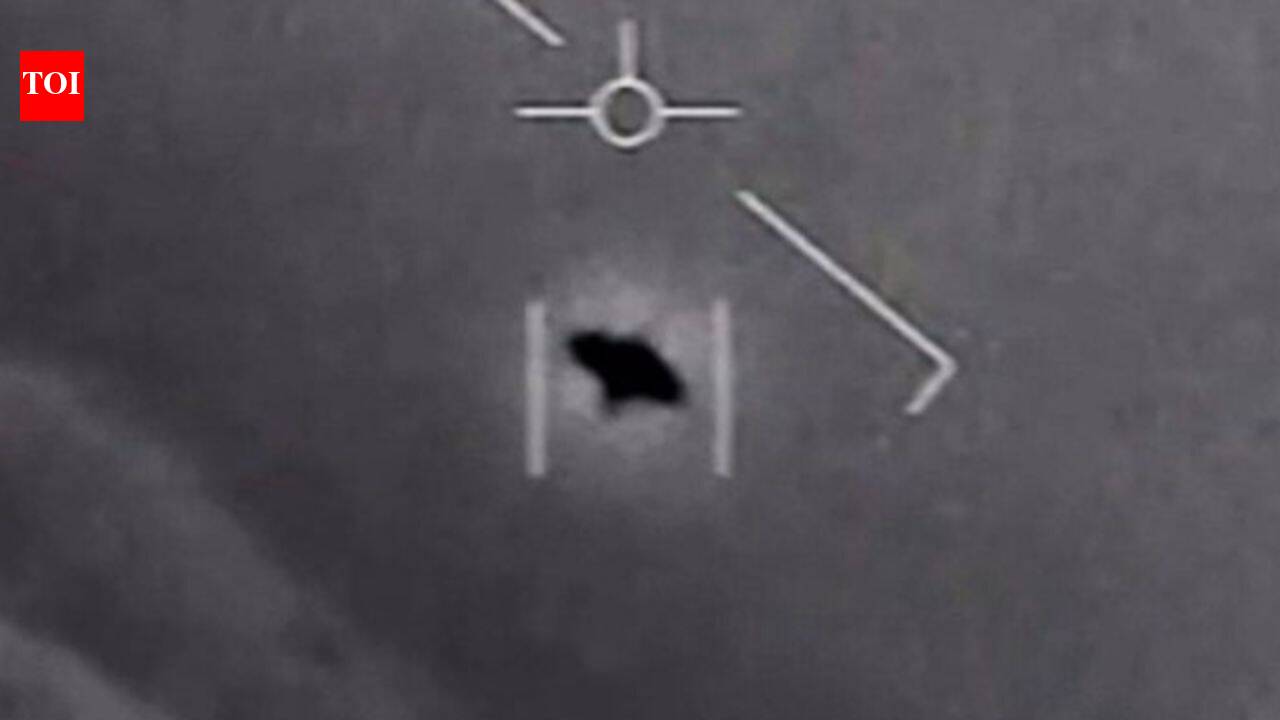
A 2004 US Navy training mission encountered an unexplained aerial object. Pilots and radar operators observed a peculiar "Tic Tac" shaped craft. Infrared video footage later surfaced, adding to the mystery. This incident gained widespread attention after a 2017 New York Times report. The Pentagon has not provided a definitive explanation for the sighting.
The Enigma of the 'Tic Tac': Analyzing the 2004 US Navy Encounter
The 2004 encounter involving a US Navy training mission remains one of the most scrutinized and debated aerial anomalies in modern history. What began as a routine exercise off the coast of California evolved into a cornerstone of the global conversation regarding Unidentified Aerial Phenomena (UAP). The event is characterized by the observation of a smooth, white, pill-shaped object—famously dubbed the 'Tic Tac'—which exhibited flight characteristics that appear to defy known laws of physics and aerospace engineering. This case is not merely a tale of anecdotal sightings but is bolstered by multi-sensor data, including radar tracking and infrared imagery, making it a pivotal moment in the intersection of military intelligence and unexplained science.
The Mechanics of the Encounter
During the mission, pilots and radar operators reported an object that lacked visible means of propulsion, such as wings or exhaust plumes. The 'Tic Tac' object was observed performing maneuvers that are essentially impossible for conventional aircraft, including instantaneous acceleration and the ability to drop from high altitudes to sea level in a matter of seconds. The testimony of the pilots, who witnessed the object visually while their radar systems simultaneously tracked it, provides a layer of corroboration that distinguishes this event from typical optical illusions or atmospheric phenomena. The sheer discrepancy between the object's movement and the capabilities of current US or adversarial aircraft suggests a technology that operates on principles far beyond current human understanding.
The Role of Disclosure and the Media
For over a decade, this incident remained shrouded in military secrecy until a 2017 report by the New York Times brought it into the public consciousness. The report revealed the existence of a clandestine Pentagon program known as the Advanced Aerospace Threat Identification Program (AATIP), which sought to scientifically analyze these sightings. The subsequent release of infrared (FLIR) footage—showing the object rotating and moving rapidly across the frame—provided the visual evidence necessary to move the conversation from the fringes of conspiracy theory into the realm of serious governmental inquiry. This transition highlights a significant shift in how the US government handles UAPs, moving from blanket denial to a cautious, albeit fragmented, acknowledgment of the phenomenon.
National Security and Strategic Implications
From a strategic perspective, the 'Tic Tac' incident represents a critical intelligence gap. The primary concern for the Pentagon is not necessarily the origin of the craft, but the fact that an unidentified object can penetrate restricted military airspace without being intercepted or fully understood. If such technology were possessed by a foreign adversary, it would render current air defense systems obsolete. This uncertainty has forced the Department of Defense to treat UAPs as a matter of flight safety and national security rather than a curiosity. The inability to provide a definitive explanation for the 2004 event underscores the vulnerability of even the most advanced military fleets when faced with an unknown technological variable.
Historical Context and the Evolution of UAP Study
Historically, UFO sightings were often dismissed as mass hysteria or pilot error. However, the 2004 case serves as a catalyst for the professionalization of UAP studies. By utilizing high-resolution sensor data and credible military witnesses, the 'Tic Tac' case has paved the way for recent congressional hearings and the establishment of the All-domain Anomaly Resolution Office (AARO). This evolution reflects a broader historical trend where the 'stigma' associated with reporting UFOs is being replaced by a scientific imperative to understand the nature of these objects. The 2004 incident effectively bridged the gap between Cold War-era secrecy and a new era of transparency driven by whistleblower testimony and leaked data.
Future Trajectories and Scientific Outlook
Looking forward, the legacy of the 'Tic Tac' case will likely drive further investment in advanced sensor technology and a potential re-evaluation of propulsion physics. As the US government continues to analyze similar encounters, the goal is to move toward a 'signature-based' identification system that can categorize these objects in real-time. Whether these phenomena are eventually revealed to be highly classified black-budget projects, atmospheric anomalies, or something truly exogenous, the 2004 encounter has ensured that the mystery will remain a priority for both the scientific community and national defense agencies for years to come.
Summary
The 2004 US Navy 'Tic Tac' incident is a landmark case that challenges our understanding of aerospace capabilities and government transparency. By combining pilot testimony with radar and infrared data, the event has forced a global conversation on the reality of UAPs, shifting the narrative from science fiction to a serious matter of national security and scientific inquiry.