Nukes all around? A fraying U.S. nuclear umbrella is pushing allies to weigh defense options, raising risk of a proliferation cascade
Source Entity
US Top News and Analysis
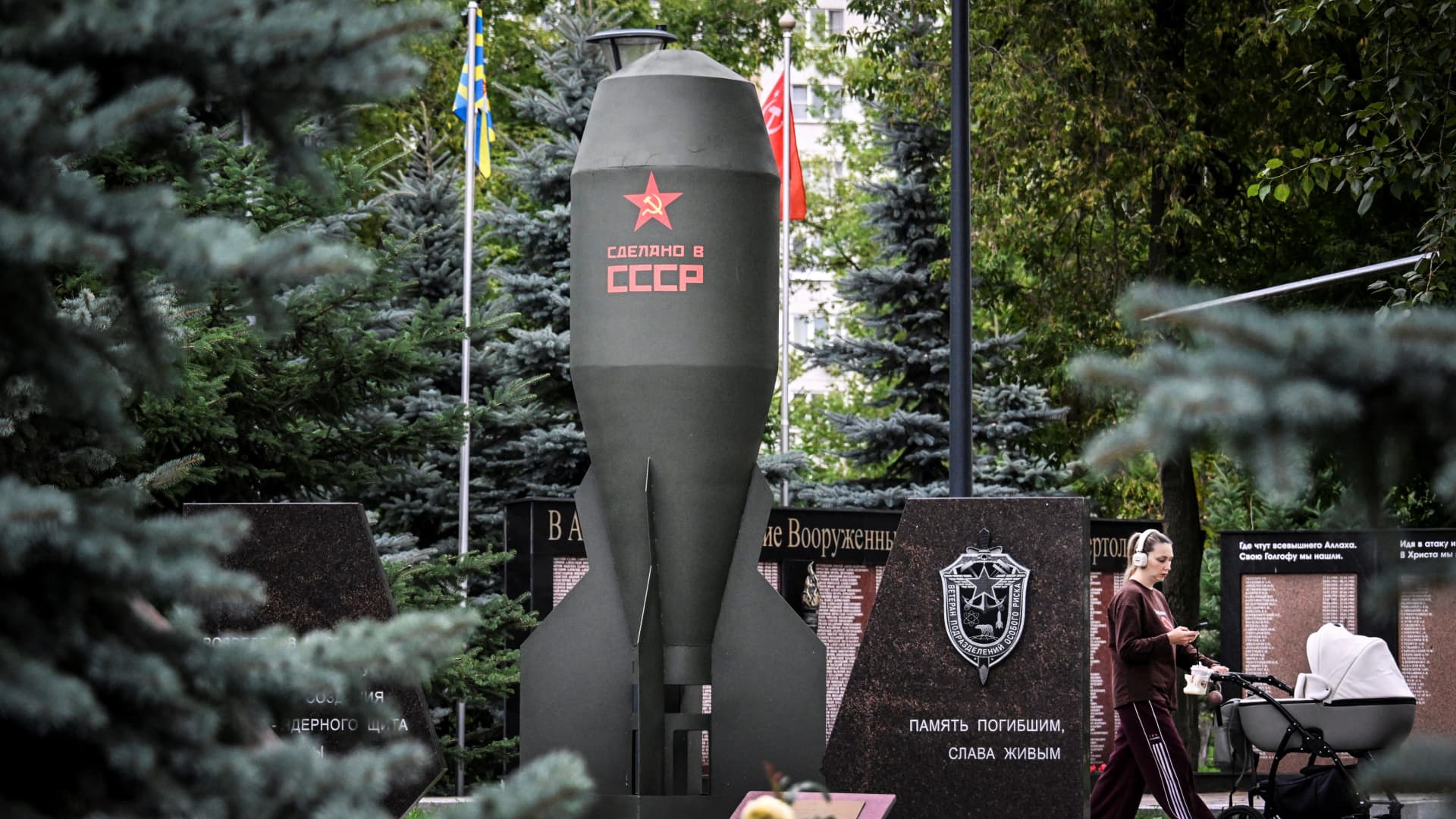
The U.S. is shifting away from its long-standing nuclear umbrella, prompting global allies to re-evaluate their own defense capabilities. This policy pivot, signaled by the 2026 National Defense Strategy, increases the risk of a global nuclear proliferation cascade.
The Erosion of the U.S. Nuclear Umbrella
For decades, the global security architecture has rested on the foundational belief that the United States would provide extended deterrence—the so-called 'nuclear umbrella'—to its allies. This framework allowed non-nuclear states to refrain from developing their own weapons of mass destruction, secure in the knowledge that Washington would act as a primary guarantor of their sovereignty. However, this era of security reliance is showing signs of rapid evaporation as the international order faces its most significant shift in the post-Cold War era.
The 2026 Strategic Pivot
The catalyst for this current unease is the release of President Donald Trump’s 2026 National Defense Strategy. By omitting explicit mentions of extended deterrence, the document signals a departure from the traditional U.S. foreign policy commitment to protecting allies under its nuclear mantle. This shift is compounded by consistent pressure from the administration for allies to assume greater financial and operational responsibility for their own defense, leaving many nations to question the longevity of American security guarantees.
Perceptions of Unreliability
Across the globe, the prevailing perception of Washington is shifting from a steadfast partner to one that is increasingly 'disengaged and unreliable.' When allies lose faith in the credibility of the U.S. nuclear deterrent, the strategic calculus for regional security changes immediately. History shows that when a primary security provider retreats, local actors are forced to fill the void, often leading to competitive arming and heightened regional tensions.
The Risk of a Proliferation Cascade
The most dangerous implication of this policy shift is the potential for a 'proliferation cascade.' As governments begin to reconsider the necessity of domestic nuclear deterrents, the international non-proliferation regime faces an existential threat. If a single key ally determines that American protection is no longer sufficient, it could trigger a domino effect, where neighboring states feel compelled to develop nuclear programs to maintain a regional balance of power, effectively dismantling decades of arms-control efforts.
Future Trends and Global Stability
Looking forward, the global security environment appears headed toward a more fragmented and unpredictable state. As nuclear states step back from their historic arms-control commitments, the constraints that have prevented nuclear expansion for decades are weakening. The future will likely be defined by states prioritizing self-reliance, a trend that not only complicates diplomatic relations but also increases the statistical probability of nuclear miscalculation or conflict. The image of the replica Soviet RDS-4 bomb in Moscow serves as a stark, historical reminder of the high stakes involved in nuclear posturing and the fragility of the peace that has persisted since the mid-20th century.