'Make a public statement or ...': US presses Iran to guarantee Strait of Hormuz is fully open
Source Entity
TOI WORLD DESK
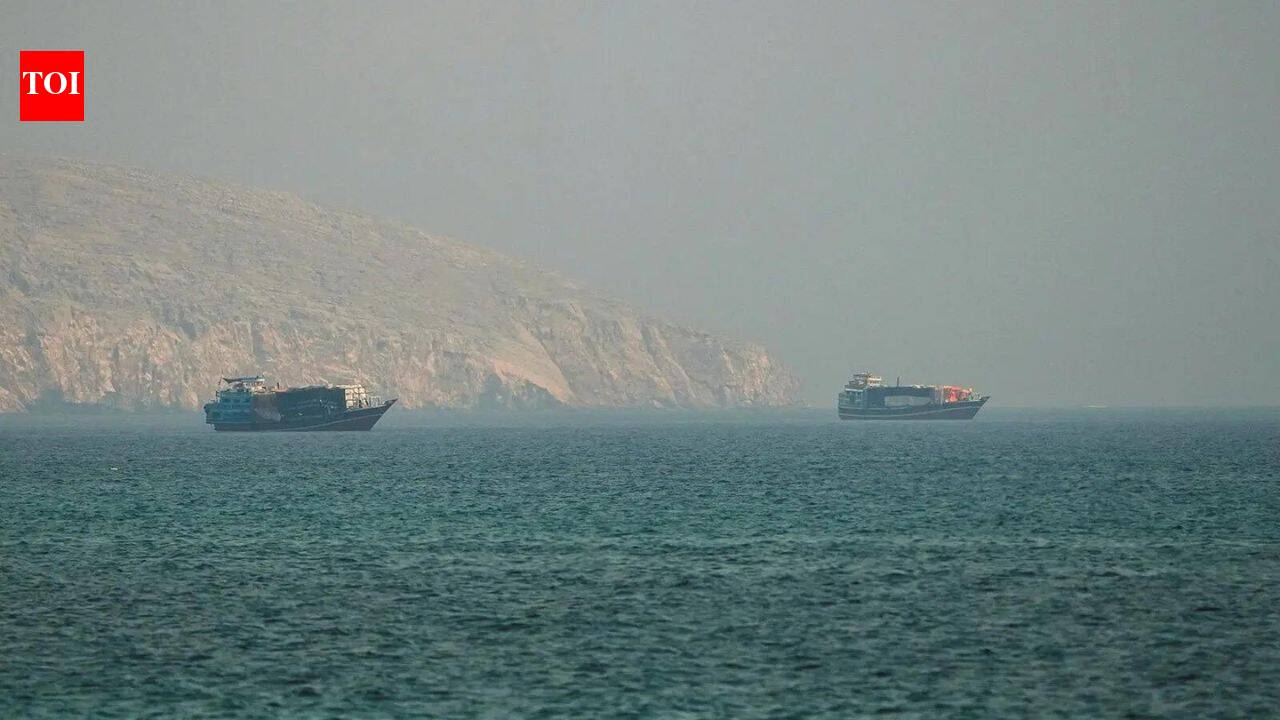
Washington is pressuring Tehran for a public statement ensuring Strait of Hormuz shipping safety. United States officials warned of negative consequences if Iran refuses this demand. Iran has attributed recent shipping incidents to an errant system part. President Trump declared a six-day ceasefire over due to alleged violations. Fifteen ships transited the strait recently, with many more waiting.
Geopolitical Tension in the Strait of Hormuz: Analysis of US-Iran Maritime Conflict
The Strait of Hormuz remains one of the most critical maritime chokepoints in the world, serving as the primary artery for the global transport of oil and liquefied natural gas. The current diplomatic standoff between the United States and Iran, centered on Washington's demand for a public guarantee of shipping safety, underscores the fragility of global energy security. By demanding a public statement, the U.S. is not merely seeking a private assurance but is attempting to force Tehran into a position of international accountability, where any future disruption would be viewed as a direct violation of a public pledge.
The Strategy of Public Accountability and Deterrence
The U.S. insistence on a "public statement" is a calculated diplomatic move. In the realm of international relations, public commitments carry significantly more weight than private understandings because they involve national prestige and international reputation. By pressuring Iran to go on the record, the U.S. aims to create a benchmark for behavior that the international community can monitor. The warning of "negative consequences" serves as a traditional deterrent, signaling that the U.S. is prepared to employ economic sanctions or military escalation should the freedom of navigation be compromised.
Analyzing Iran's Technical Justifications
Iran's attribution of recent shipping incidents to an "errant system part" represents a classic diplomatic maneuver known as plausible deniability. By framing the disruptions as technical failures rather than intentional military or paramilitary actions, Tehran attempts to avoid the legal and political ramifications of interfering with international waters. However, this explanation is often viewed with skepticism by global powers, as the timing of such "technical errors" frequently coincides with periods of heightened political tension or the imposition of sanctions, suggesting a coordinated effort to signal strength without triggering a full-scale conflict.
The Collapse of the Ceasefire and Escalation Cycles
The expiration of the six-day ceasefire declared by President Trump highlights the volatility of the current engagement. Ceasefires in such high-tension environments often serve as temporary breathing rooms rather than sustainable peace agreements. The allegation of violations leading to the end of the ceasefire indicates a lack of trust and a failure of monitoring mechanisms. This cycle of brief pauses followed by rapid escalation suggests that both nations are using the Strait of Hormuz as a primary lever in a broader geopolitical struggle, where maritime access is used as a bargaining chip for larger diplomatic concessions.
Economic Implications and Maritime Logistics
The report that only fifteen ships have recently transited the strait, with many others waiting, points to a significant chilling effect on global trade. The mere perception of risk in the Strait of Hormuz leads to an immediate spike in maritime insurance premiums and freight costs. When ships wait in anticipation of safety guarantees, the global supply chain experiences a bottleneck that can lead to volatility in crude oil prices. The economic pressure is therefore not just felt by the shipping companies, but is transmitted through the global economy, affecting energy costs for consumers worldwide.
Conclusion: Future Outlook and Strategic Stalemate
In summary, the current crisis is a manifestation of the deep-seated systemic rivalry between Washington and Tehran. The U.S. is leveraging its naval superiority and diplomatic weight to secure a public commitment to stability, while Iran continues to utilize the strategic geography of the Strait to maintain leverage. Unless a sustainable diplomatic framework is established that addresses the root causes of the tension, the region will likely remain in a state of precarious stability, where minor technical incidents or diplomatic miscalculations could trigger significant international repercussions.