US revokes 300,000 visas under Trump: What Indian students and workers need to know
Source Entity
Nischai Vats
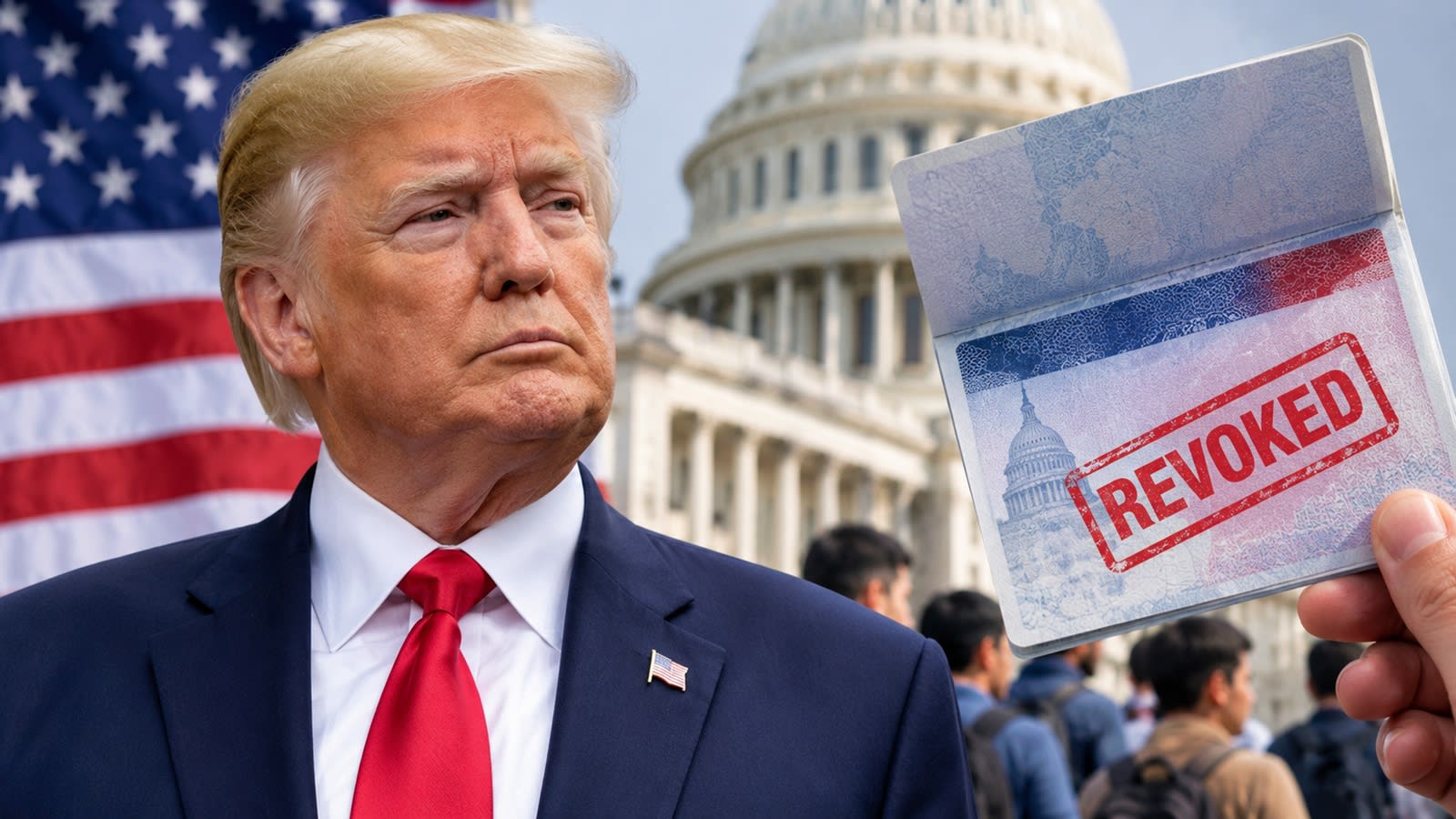
The U.S. State Department has revoked over 300,000 visas since January 2025, marking an unprecedented scale of enforcement under Secretary Marco Rubio. This aggressive review process aims to address public safety and immigration violations, significantly impacting international students and workers.
Unprecedented Visa Revocations: A Shift in U.S. Immigration Policy
Recent data released by the U.S. Department of State on X (formerly Twitter) reveals a significant escalation in immigration enforcement, with over 300,000 visas revoked since January 2025. This figure represents a dramatic acceleration in administrative action, particularly when compared to data from August 2026, which placed the total revocations at approximately 175,000. The rapid increase in just a few months underscores a concerted, intensified effort by the current administration to audit the existing pool of visa holders.
The Role of Leadership and Policy Objectives
This policy shift is occurring under the leadership of Secretary Marco Rubio, who has spearheaded what the State Department describes as an "unprecedented review" of U.S. visa holders. By framing these actions as a matter of national security and public safety, the administration is signaling a departure from previous bureaucratic standards. The scale of these revocations—the highest in American history—reflects a prioritized agenda focused on rigorous vetting and the strict enforcement of immigration compliance.
Impact on Global Mobility and Labor
The implications of this policy are profound for international students and foreign workers, particularly those from nations with high visa utilization rates. With the State Department citing specific concerns regarding "immigration violations," individuals currently in the U.S. or those holding valid visas may face increased scrutiny. This environment of uncertainty creates significant operational challenges for academic institutions and corporations that rely on a steady influx of global talent to maintain their competitive edge.
Legal and Administrative Justifications
The State Department has explicitly tied these revocations to public safety and documented immigration violations. This suggests that the audit process is not merely a blanket administrative sweep but a targeted effort to filter out individuals whose status may no longer align with the terms of their admission. For affected individuals, this change necessitates a heightened awareness of their specific visa conditions and legal standing to avoid sudden loss of status.
Future Trends and Long-term Implications
Looking ahead, it is likely that the trend of high-volume visa revocations will continue as the administration maintains its focus on border and interior enforcement. This represents a new normal in U.S. immigration policy, where the administrative burden of proof for maintaining one's visa status has shifted significantly toward the individual. As the State Department continues its review, stakeholders should expect ongoing volatility in visa processing and potential challenges for those seeking to extend or maintain their legal residency in the United States.