US Senate Passes Bill That May Penalise Countries Buying Russian Oil, Gas
Source Entity
NDTV News Search Records Found 1000
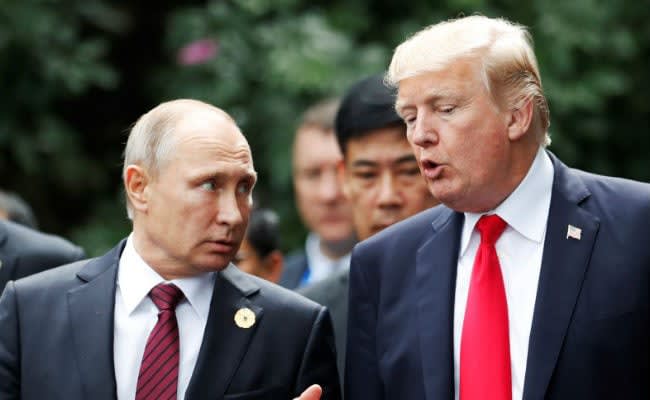
The U.S. Senate has passed the Lindsey O. Graham Sanctioning Russia and Iran Act of 2026 with an 86-11 vote. This legislation seeks to curtail Russia's war financing by imposing up to 100% tariffs on the world's top five purchasers of Russian energy, including India and China.
Legislative Action Against Russian Energy Revenue
The United States Senate has taken a decisive step in its foreign policy strategy regarding the conflict in Ukraine by passing the 'Lindsey O. Graham Sanctioning Russia and Iran Act of 2026.' With an overwhelming bipartisan vote of 86-11, the chamber demonstrated a unified stance on utilizing economic leverage to degrade Moscow's capacity to finance its ongoing military operations. The legislation is specifically designed to target the lifeblood of the Russian war machine: revenue generated from the global export of crude oil and natural gas.
The Impact of the 'Lindsey O. Graham Act'
Named in honor of the late Senator Lindsey Graham, who championed the measure prior to his passing on July 11, the bill represents a significant escalation in U.S. sanctions policy. By targeting the top five global purchasers of Russian energy, the bill directly impacts major economies, most notably China and India. If enacted, the legislation would grant the President authority to impose tariffs reaching as high as 100% on imports originating from these nations, signaling a move toward aggressive economic containment of those facilitating Russia's energy trade.
Implications for India and Global Trade
For India, the second-largest buyer of Russian crude oil after China, this development poses a substantial economic challenge. India has already been navigating a difficult trade environment, having faced a 50% tariff on specific exports to the U.S. since August 2025. This new legislation threatens to compound those existing pressures, creating a volatile landscape for Indo-U.S. trade relations. The move forces a complex calculation for New Delhi, as it balances its energy security needs against the risk of severe punitive measures from Washington.
Strategic Objectives and Legislative Path
Beyond energy, the bill includes targeted sanctions against Russian leadership, including President Vladimir Putin and various oligarchs, aiming to disrupt the internal power structures supporting the Kremlin. The bipartisan nature of the vote underscores the legislative consensus that economic warfare is a primary tool for influencing Moscow’s behavior. However, the bill now faces a period of uncertainty as the House of Representatives remains in recess until September, delaying the next phase of the legislative process.
Future Trends and Geopolitical Consequences
As the bill moves toward the House, the international community is bracing for the potential ripple effects on global energy markets. Should the legislation become law, it could force a radical restructuring of global supply chains. Countries currently reliant on Russian energy will likely be compelled to seek alternative suppliers, potentially causing price shocks and shifting global trade alliances. The passage of this act marks a critical inflection point in the U.S. response to the Ukraine conflict, prioritizing the strangulation of Russian war financing over the preservation of traditional trade partnerships.
Multiple Citing Sources
Verification Required?