Iran war LIVE updates: US attacked 2 Iranian govt tankers, says report; Tehran claims US bases in Erbil struck
Source Entity
Latest News: Todays Latest News Headlines from India & World | Hindustan Times | Hindustan Times
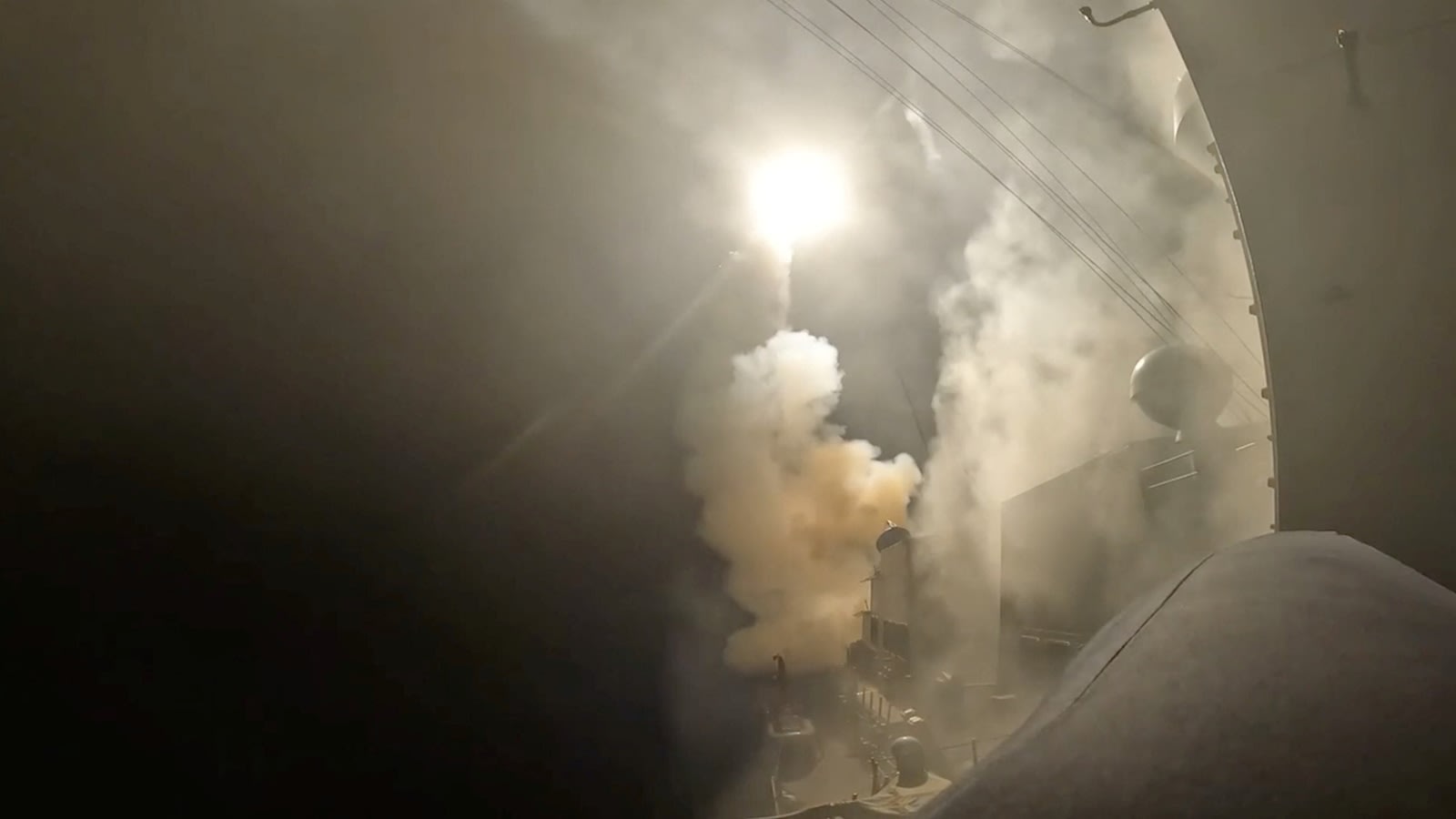
The U.S. military has launched targeted strikes against Islamic Revolutionary Guard Corps (IRGC) facilities in Iran following attempted attacks on commercial shipping in the Strait of Hormuz. These actions follow a period of relative calm and represent a strategic effort by the U.S. to degrade Iranian radar and missile capabilities.
Escalation in the Strait of Hormuz: U.S. Strikes IRGC Targets
The U.S. military, through Central Command (CENTCOM), has initiated a series of strikes against Islamic Revolutionary Guard Corps (IRGC) targets within Iran. Commencing at noon ET, this military action follows a period of heightened hostility, specifically targeting Iranian assets that threatened commercial shipping vessels traversing the critical Strait of Hormuz. These strikes mark a significant shift in the operational tempo between Washington and Tehran after a month of relative inactivity.
The Strategic Rationale Behind the Strikes
According to official statements from CENTCOM, the primary driver for these strikes was the recent series of attempted attacks by the IRGC against international commercial shipping and U.S. service members stationed in the region. By conducting these operations, the U.S. aims to neutralize specific radar and missile capabilities that Iran has been actively rebuilding. This strategic move is designed to diminish Iran’s capacity to project force into the vital shipping corridor, which serves as a global energy chokepoint.
Contextualizing the Military Response
This military engagement is not an isolated incident but rather the culmination of a broader plan under consideration by President Donald Trump. Reports indicate that the administration had been weighing a CENTCOM-proposed strategy focused on limited, precise strikes. The goal of this measured approach is to deter further aggression without necessarily escalating into a full-scale regional conflict. The recent actions follow a pattern of 'limited, precise action' that the U.S. military had already begun executing earlier in the week against rocket-related threats.
The Geopolitical Significance of the Strait
The Strait of Hormuz remains one of the most volatile and strategically important maritime passages in the world. As a primary conduit for global oil transit, any disruption to shipping in this area has immediate implications for global energy markets and international security. By targeting IRGC infrastructure, the U.S. is signaling a commitment to maintaining freedom of navigation and protecting the safety of its personnel deployed in the Middle East.
Future Trends and Regional Stability
Looking forward, the success of this operation will be measured by whether it effectively degrades the IRGC’s ability to conduct future attacks. The situation remains fluid, as both Washington and Tehran continue to navigate a cycle of provocation and response. Analysts expect that the U.S. will likely continue to prioritize localized, surgical strikes to prevent the further expansion of Iran's maritime missile capabilities, while simultaneously preparing for potential retaliatory measures from Iranian forces.
Conclusion: Assessing the Impact
The recent U.S. strikes represent a calculated effort to restore deterrence in the Strait of Hormuz. By addressing the IRGC’s threat to commercial and military vessels, the U.S. is attempting to stabilize the maritime environment. However, the recurring nature of these hostilities suggests that the security landscape in the region will continue to be characterized by tension, requiring constant vigilance and strategic calibration by U.S. forces in the months ahead.
Multiple Citing Sources
Verification Required?