Trump says U.S. carried out ‘minor strikes’ on Iran as missiles hit Qeshm Island
Source Entity
US Top News and Analysis
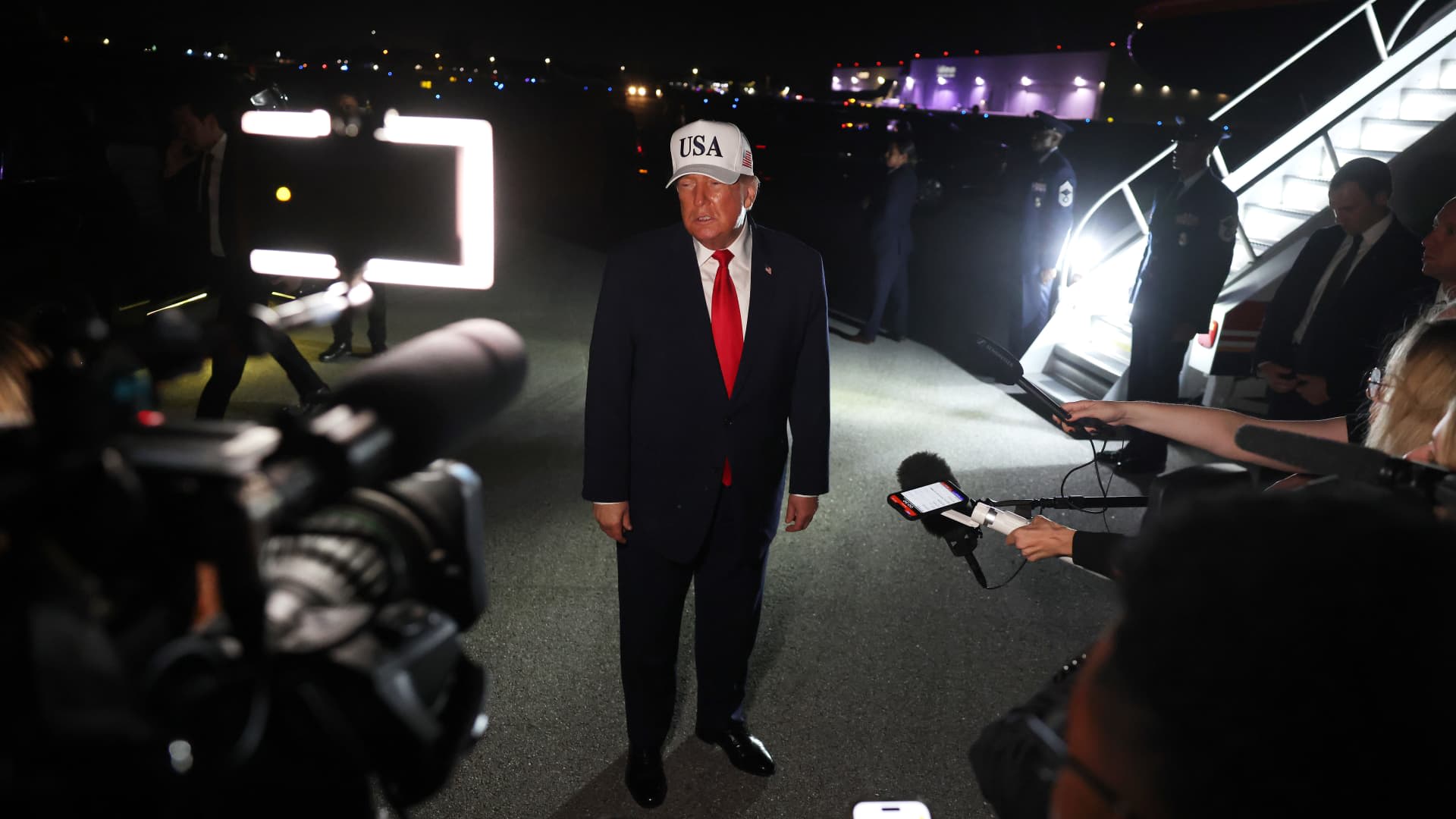
President Trump confirmed U.S. forces conducted 'minor strikes' destroying an Iranian anti-aircraft device on Qeshm Island. The action occurs amid ongoing diplomatic backchannels via Qatar and heightened concerns over global oil supply stability.
Escalation in the Strait of Hormuz: U.S. Strikes Iranian Defense Assets
President Donald Trump has confirmed that U.S. military forces executed targeted strikes against an Iranian anti-aircraft device located on Qeshm Island. Describing the operation as a "minor" engagement, Trump noted the destruction of the asset occurred within a brief 5 to 15-minute window. This tactical maneuver, while characterized by the administration as limited in scope, represents a significant escalation in the ongoing eight-month-old conflict between the two nations.
Strategic Importance of Qeshm Island
The location of these strikes is of critical geopolitical significance. Qeshm Island is situated in the Strait of Hormuz, a vital maritime chokepoint through which a substantial portion of the world's oil supply transits. Any military activity in this region creates immediate volatility in global energy markets. The reports from Iran’s semi-official Tasnim news agency, which confirmed two missiles striking the Suza area, underscore the sensitivity of this geography and the potential for these localized skirmishes to disrupt international trade routes.
Diplomatic Channels and Mediation
Despite the overt military posturing, the administration maintains that diplomatic efforts are ongoing. President Trump indicated that his administration is currently engaged in communication with Iranian representatives. Reports suggest that Tehran has conveyed a proposal to the U.S. through Qatari mediators as a potential pathway to de-escalation. This dual-track approach—combining kinetic military pressure with behind-the-scenes negotiations—reflects the complex and often contradictory nature of the current U.S.-Iran policy.
Domestic Pressures and Political Context
The timing of these strikes coincides with a challenging period for the Trump administration, specifically following recent midterm election pressures. Political analysts suggest that such military actions can often serve to recalibrate a leader's domestic standing, though they carry significant risks of miscalculation. The administration is balancing the need to project strength, particularly after the destruction of the anti-aircraft device, with the potential backlash from further military entanglements.
Future Implications and Global Stability
Looking forward, the persistence of these "minor strikes" suggests a strategy of attrition rather than full-scale conflict. However, the unpredictability of the Strait of Hormuz makes such a strategy inherently dangerous. As Iran weighs the proposals currently moving through Qatar, the global community remains concerned about the impact on oil supply chains. If these strikes continue, they may force a shift in energy pricing and international security postures throughout the Middle East.
Conclusion
The situation remains fluid as both nations navigate a precarious balance between military aggression and diplomatic dialogue. While the U.S. asserts that its actions are targeted and limited, the strategic location of the strikes and the ongoing communication via third-party mediators indicate that the resolution of this eight-month conflict remains elusive. Market observers and global powers will likely continue to monitor the Strait of Hormuz closely for signs of further escalation or a breakthrough in the Qatari-brokered talks.