US launches third wave of strikes on Iran after Tehran declares Strait of Hormuz closed
Source Entity
TOI WORLD DESK
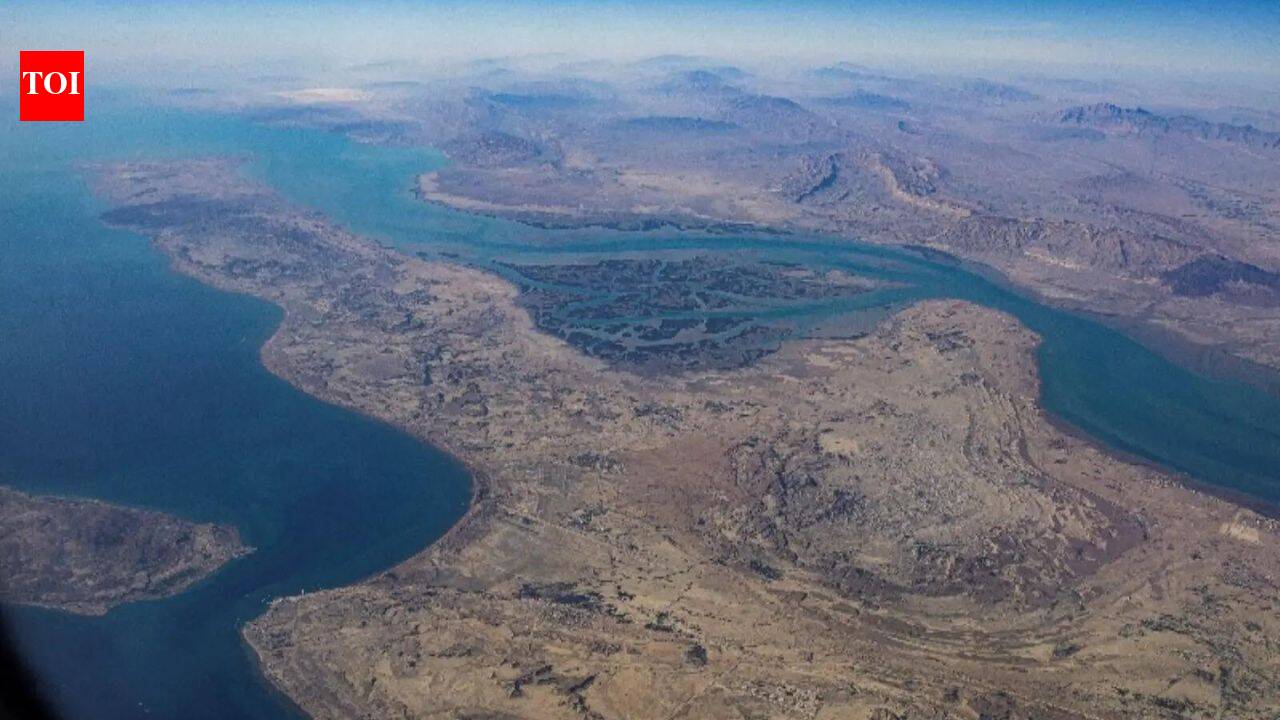
US launches fresh strikes on Iran after Tehran declares Strait of Hormuz closed...
Escalation in the Middle East: US Strikes Iran Following Strait of Hormuz Closure
A Critical Turning Point in Regional Conflict
The geopolitical landscape has shifted into a state of high-intensity conflict as the United States has launched its third wave of military strikes against Iranian targets. This aggressive military posture follows a direct and provocative declaration by Tehran regarding the closure of the Strait of Hormuz to international maritime traffic. This move represents a massive escalation in the long-standing tensions between the two nations, transitioning from shadow warfare and proxy conflicts into direct, large-scale military engagement.
The Strategic Importance of the Strait of Hormuz
To understand the gravity of Tehran's declaration, one must recognize the Strait of Hormuz as the world's most vital maritime chokepoint. Serving as the primary artery for global petroleum exports, the strait facilitates the passage of nearly one-fifth of the world's total oil consumption. By threatening to close this waterway, Iran has effectively wielded its geographic position as a tool of global economic leverage, aiming to disrupt the energy security of Western nations and exert pressure on the international community through the weaponization of oil transit.
Systematic Military Degradation
The deployment of a "third wave" of strikes suggests that the United States is no longer merely engaging in retaliatory measures but is instead pursuing a more systematic campaign to degrade Iran's military infrastructure and ability to enforce its maritime blockade. These strikes are likely targeted at command-and-control centers, missile launch sites, and naval assets capable of disrupting shipping. This shift in tactical approach indicates that the US military objective has transitioned toward neutralizing the specific threats posed by the closure of the strait.
Historical Context of US-Iran Tensions
This current volatility is not an isolated incident but the culmination of decades of profound mistrust and strategic competition. From the 1979 revolution to the various "Tanker Wars" of the 1980s and the recent era of maximum pressure campaigns, the relationship has been defined by a cycle of escalation and containment. The current situation marks a dangerous departure from the "managed tension" of previous years, moving instead toward a direct confrontation that lacks the diplomatic off-ramps that previously prevented total war.
Global Economic Implications and Energy Volatility
The implications for the global economy are immediate and severe. As news of the strikes and the potential closure of the Strait of Hormuz reaches the markets, oil prices have seen unprecedented volatility. The threat of a prolonged disruption in the supply of crude oil poses a significant risk of global stagflation, driving up energy costs for consumers and increasing production costs for industries worldwide. Central banks and international energy agencies are now forced to navigate a landscape of extreme uncertainty.
Future Outlook: The Risk of Regional Conflagration
Looking ahead, the trajectory of this conflict remains highly unpredictable. The primary concern for the international community is whether these strikes will lead to a wider regional war involving other state and non-state actors. While the US aims to restore freedom of navigation, the risk of miscalculation is at an all-time high. Future trends will likely depend on whether diplomatic channels can be re-established or if the cycle of military strikes and maritime blockades continues toward an even more destructive phase of the conflict.
Summary
In conclusion, the US launch of a third wave of strikes against Iran, triggered by the declared closure of the Strait of Hormuz, represents a moment of extreme global peril. The intersection of military escalation and the potential for a massive energy supply shock creates a dual crisis of security and economy that demands urgent attention from global leaders.