Five US tech giants' hidden debts soar to $1.65T on opaque AI funding
Source Entity
Hacker News
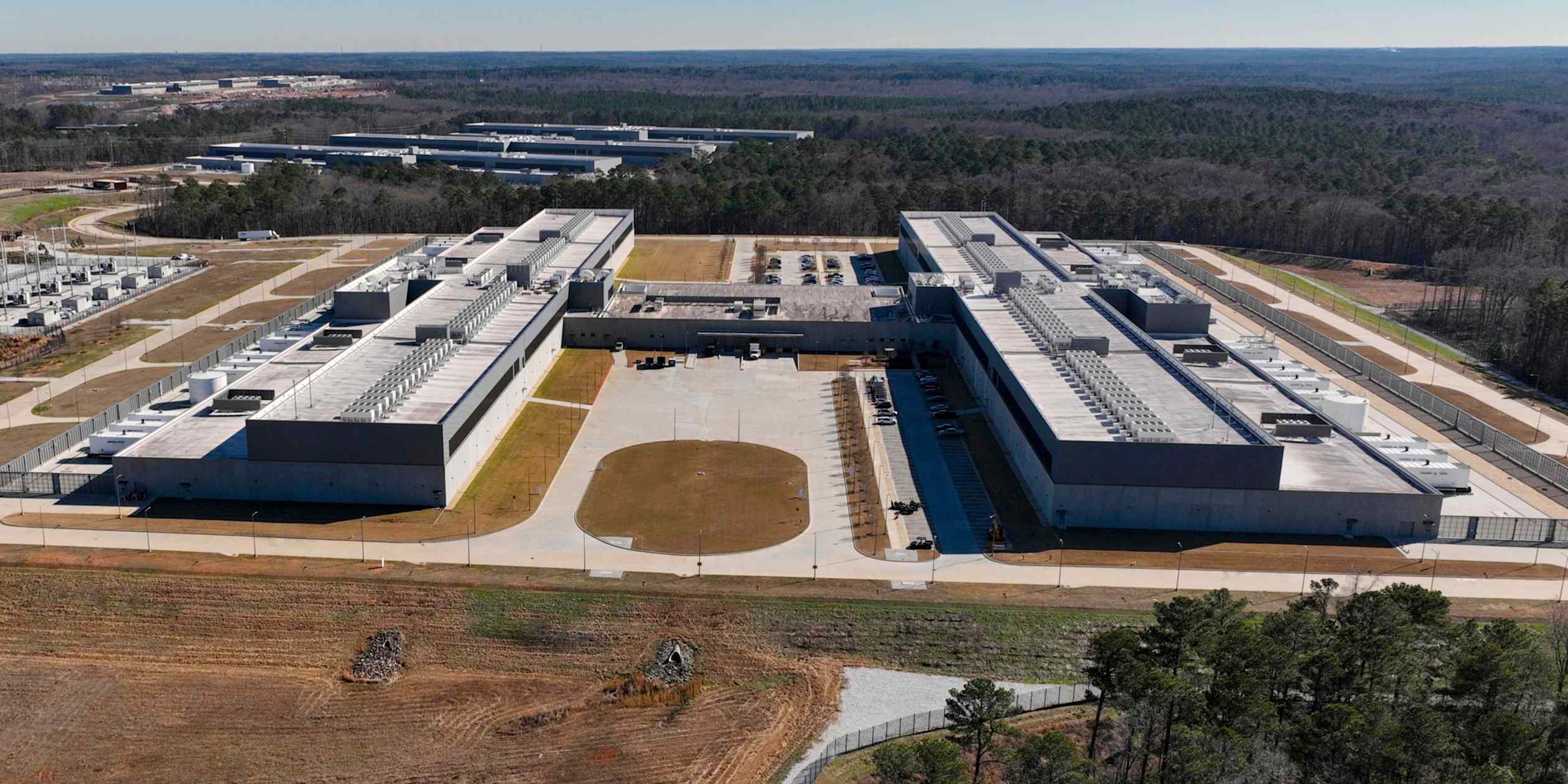
A recent study reveals that hidden debts among five major U.S. tech giants have surged to $1.65 trillion. This massive increase is primarily driven by opaque funding models for artificial intelligence, complicating risk assessment for investors.
The Hidden Financial Burden of the AI Revolution
A recent analysis by Nikkei has unveiled a startling trend in the financial architecture of the world's largest technology companies. Five major U.S. tech giants have collectively accumulated an estimated $1.65 trillion in hidden debt, a figure that has grown eightfold over the past four years. This rapid expansion in off-balance-sheet obligations is inextricably linked to the massive capital requirements demanded by the current artificial intelligence arms race.
The Mechanics of Opaque Funding
The reliance on opaque funding structures allows these corporations to bypass traditional debt reporting, effectively masking the true scale of their leverage. By utilizing complex vehicles to finance the massive infrastructure, data centers, and specialized hardware required for AI, these companies have created a financial layer that remains largely invisible to standard market metrics. This eightfold increase suggests that the traditional balance sheet is no longer a comprehensive reflection of corporate health.
Implications for Market Risk Assessment
For investors and market analysts, this lack of transparency poses a significant challenge. When hidden debt significantly exceeds reported, traditional debt, the risk profile of these entities becomes increasingly difficult to quantify. The volatility inherent in the AI sector—where the return on investment for massive infrastructure spending is not yet guaranteed—amplifies the potential for systemic shocks if these hidden obligations become due or if market sentiment shifts.
The AI Infrastructure Paradox
The surge in debt is a direct consequence of the insatiable demand for computational power. To remain competitive, tech giants are investing billions into cloud infrastructure and generative AI models. However, because this spending is often funneled through off-balance-sheet arrangements, the true cost of maintaining an AI-first business model is obscured. This creates a scenario where the companies appear leaner and more liquid than they truly are, potentially leading to mispriced equities.
Future Trends and Market Stability
Looking ahead, this trend suggests a potential reckoning in how tech giants are valued. As regulatory bodies and financial analysts demand greater clarity, we may see a shift toward more transparent reporting requirements. If the cost of servicing these hidden debts rises alongside interest rates or if AI revenue growth plateaus, the financial strain on these companies could lead to a broader reassessment of the tech sector's stability. Investors should prepare for a period where "hidden" risks move toward the center of financial scrutiny.