Trade deficit hits $105.6 billion, widest since just before Trump tariffs enacted last year
Source Entity
US Top News and Analysis
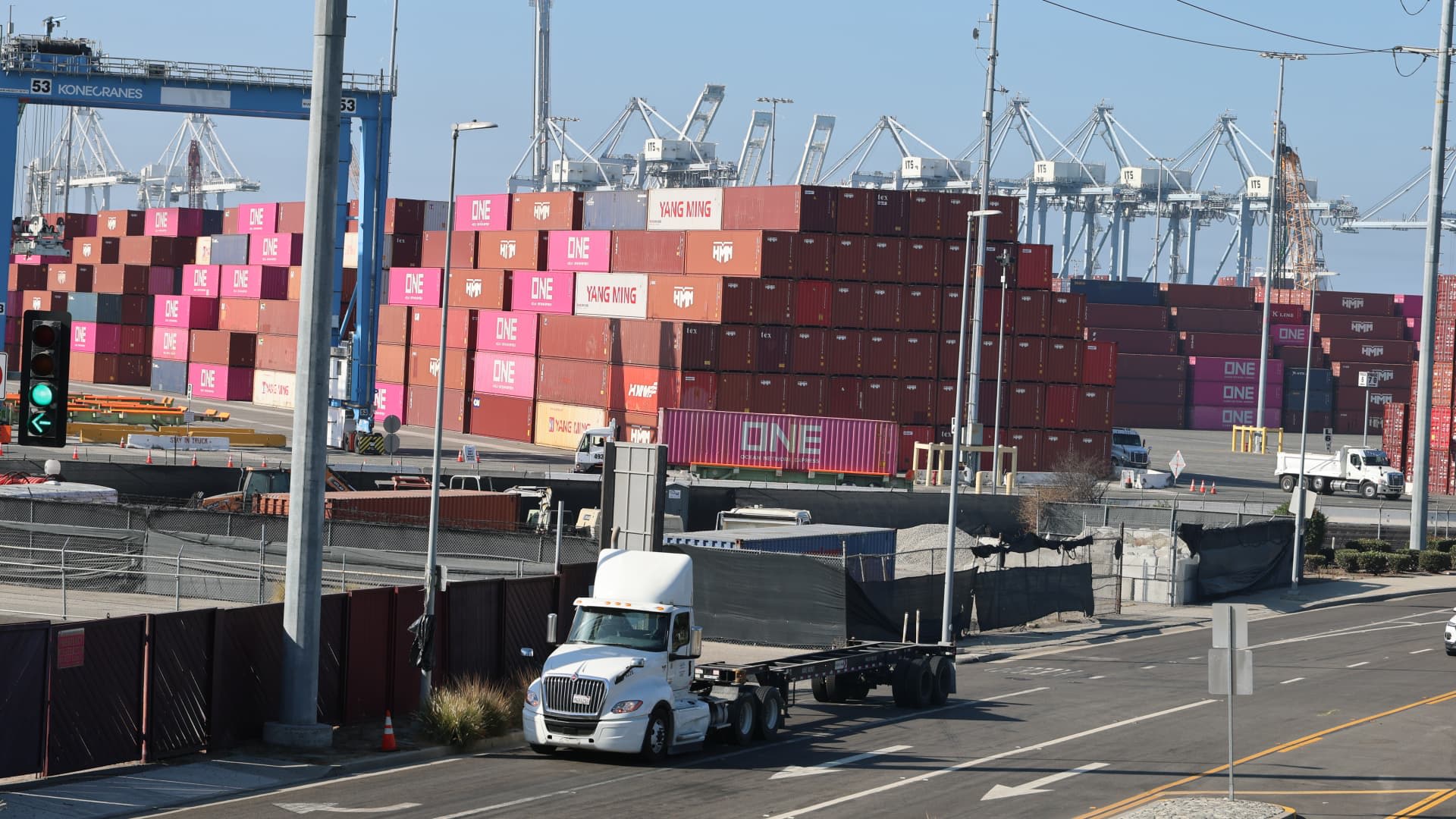
The U.S. trade deficit expanded to $105.6 billion in August, exceeding market expectations. This surge is driven by high import demand for AI infrastructure and shifting tariff policies.
Analysis of the U.S. Trade Deficit Surge
The U.S. Commerce Department's recent report revealing a trade deficit of $105.6 billion for August marks a significant economic milestone. This 13.7% increase from July, which notably surpassed the Dow Jones consensus estimate of $102 billion, highlights the intensifying pressures on the American supply chain. The widening gap reflects a complex interplay between surging domestic demand and the external forces of global trade policy.
The Role of Artificial Intelligence in Trade
A primary driver of this imbalance is the massive influx of goods associated with the artificial intelligence buildout. As firms race to establish data centers and computing infrastructure, the reliance on imported specialized hardware has spiked. This phenomenon illustrates how the domestic AI boom creates a secondary, indirect impact on the national balance of payments, as the components required for this technological expansion are largely sourced from international markets.
Impact of Tariff Dynamics
The current deficit figures are inextricably linked to the geopolitical landscape of trade. The report notes that this is the widest gap since March 2025, a period defined by the anticipation of President Donald Trump’s 'liberation day' announcement regarding reciprocal tariffs. These trade barriers have introduced significant volatility into the import market, as businesses often front-load inventory to mitigate the potential impact of future levies, thereby artificially inflating monthly import data.
Supply Chain Logistics and Port Activity
Visual evidence from logistics hubs, such as the Port of Long Beach, underscores the physical reality of these statistics. The constant movement of shipping containers and the operation of heavy machinery represent the tangible end of a global supply chain currently straining under high volume. The 4.3% rise in imports for August alone demonstrates that despite domestic production efforts, the American appetite for foreign-manufactured goods remains robust.
Future Trends and Economic Implications
Looking ahead, the trajectory of the trade deficit will likely depend on the durability of the AI investment cycle and the long-term effectiveness of the current tariff regime. If imports continue to outpace exports due to the structural necessity of tech-related components, the deficit may remain at these elevated levels for the foreseeable future. Policymakers must now balance the need to protect domestic manufacturing through tariffs against the potential for these same measures to further disrupt trade balances and increase costs for businesses reliant on global supply chains.
Conclusion
In summary, the August trade deficit data serves as a critical indicator of the current U.S. economic state. By balancing the immediate costs of AI infrastructure growth with the broader implications of protective trade policies, the Commerce Department’s report highlights a period of significant transition in global commerce. Moving forward, the interaction between tech-driven import demand and tariff-driven logistics will remain a focal point for economic analysts and policymakers alike.