‘I haven’t thrown anyone under the bus’: Khawaja hits back amid Sandpapergate row
Source Entity
PRANAV SHUKLA
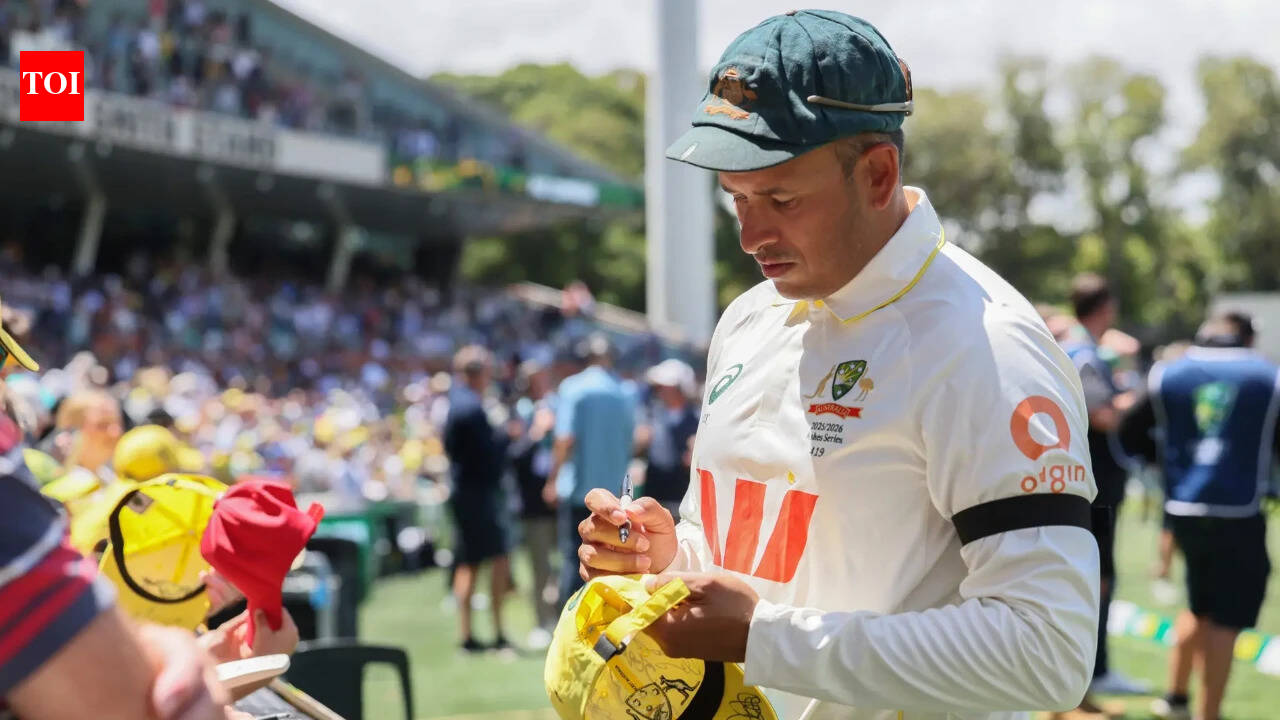
Former Australian cricketer Usman Khawaja has reignited the 2018 Sandpapergate scandal in his autobiography, claiming the entire team was aware of ball-tampering. His assertions have drawn sharp criticism from former coach Darren Lehmann and Michael Vaughan, sparking a fresh debate on accountability in Australian cricket.
The Resurgence of Sandpapergate: Khawaja’s Revelations
The 2018 ball-tampering scandal, colloquially known as 'Sandpapergate,' remains one of the darkest chapters in Australian cricket history. Recently, retired international cricketer Usman Khawaja has thrust this controversy back into the spotlight through his autobiography, Sabr. By asserting that the entire Australian team was aware of the illicit tactics employed during the tour of South Africa, Khawaja has challenged the long-standing narrative that the incident was isolated to a few individuals.
Challenging the Narrative of Collective Responsibility
Khawaja’s core argument centers on the concept of collective accountability. He contends that the ball-tampering was not a localized event involving only those caught on camera but was a known practice within the team environment, even extending to the Test match prior to the infamous Cape Town incident. By framing the scandal as a shared burden, Khawaja is explicitly rejecting the notion that he or others remained silent for personal gain, instead positioning his disclosure as a necessary step toward honesty.
The Backlash from Cricket Figures
The revelations have not been met with universal approval. High-profile figures, including former Australian coach Darren Lehmann and former England captain Michael Vaughan, have publicly disputed Khawaja’s claims. Lehmann, who was at the helm of the team during the 2018 tour, has categorically rejected the suggestion that the entire team was complicit or aware of the tampering. This friction highlights a deep-seated divide regarding the culture of the team during that period.
Broader Implications for Australian Cricket
This renewed discourse forces a re-examination of the cultural shifts that occurred within Cricket Australia following the 2018 scandal. While the organization implemented significant reforms and integrity measures in the years since, Khawaja’s claims suggest that the internal reckoning may have been incomplete. The public disagreement between a former player and former leadership exposes lingering tensions that continue to define the legacy of that era.
Future Trends and Cultural Reckoning
As the sport moves further away from the 2018 incident, the pressure for complete transparency remains a persistent theme in professional sports. Khawaja’s decision to publish these details in Sabr indicates a trend where retired athletes are increasingly willing to challenge established team narratives. This suggests that the 'Sandpapergate' saga may continue to evolve as more participants provide their perspectives, potentially leading to a more nuanced, albeit painful, understanding of the event.
Conclusion
Usman Khawaja’s recent comments serve as a powerful reminder that history is rarely settled by official reports alone. By insisting on shared responsibility, he has ignited a debate that pits institutional memory against personal testimony. Whether these revelations lead to a broader acceptance of collective guilt or simply deepen the existing divisions, they have undeniably ensured that the 2018 scandal remains a pivotal, unresolved touchstone in the narrative of international cricket.