US pulls last aircraft carrier out of Pacific amid Iran war, opens space for China
Source Entity
TOI DEFENCE DESK
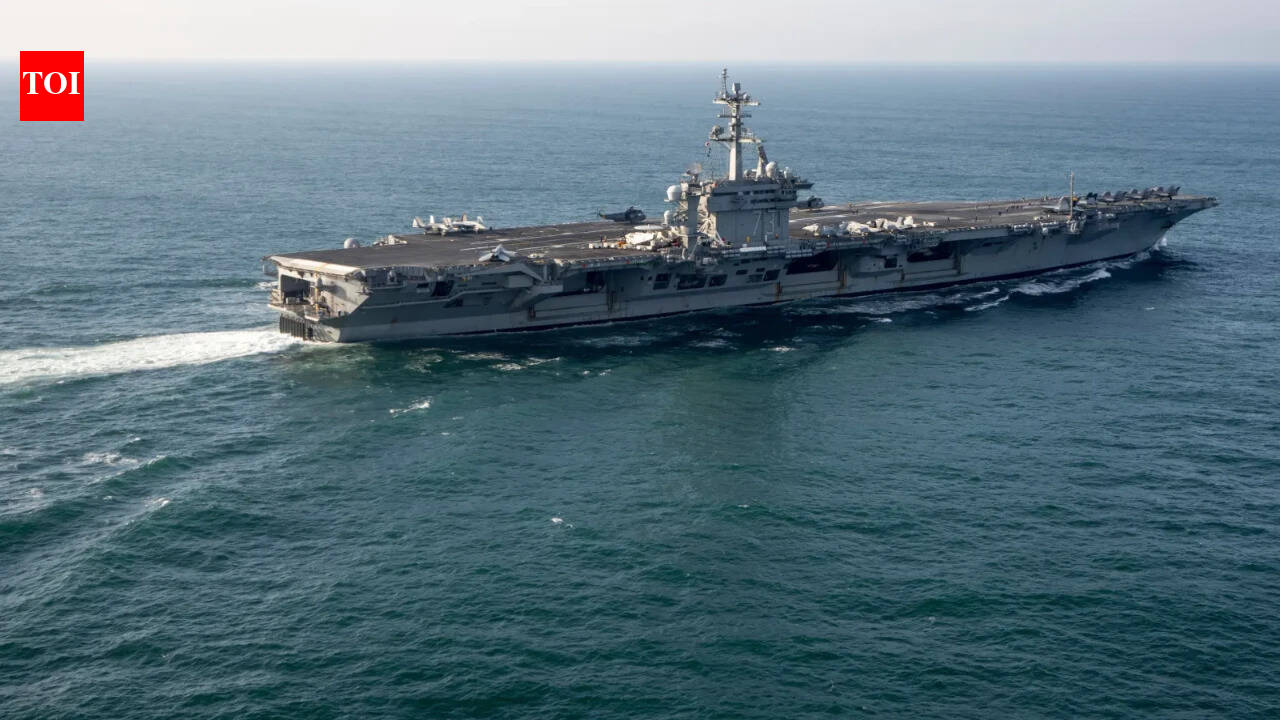
The USS Abraham Lincoln is concluding a grueling 266-day deployment in the Middle East amid regional tensions. While the Navy maintains the rotation is standard, the mission has sparked debate over sailor welfare and the strategic trade-offs of shifting naval assets.
The Strategic Withdrawal of the USS Abraham Lincoln
The USS Abraham Lincoln is officially concluding a 266-day deployment, a period marked by significant operational strain and geopolitical volatility in the Middle East. As the vessel prepares to return home, it marks the end of a mission that has tested both the endurance of its 5,000-strong crew and the logistical flexibility of the United States Navy. This extended deployment highlights the immense pressure placed on the U.S. carrier strike group system as it navigates multiple global theaters of operation.
Operational Pressures and Sailor Welfare
The duration of this deployment has brought the issue of sailor welfare to the forefront of public and military discourse. Reports suggesting a mental health crisis and supply deficiencies aboard the vessel have circulated, leading to intense scrutiny of the conditions faced by those serving in high-tempo combat environments. While Acting Navy Secretary Hung Cao has publicly dismissed these concerns as overstated, the very necessity of such a long deployment underscores the challenges of sustaining a constant, high-readiness presence in a region characterized by persistent conflict.
Geopolitical Realignments and Regional Impacts
The deployment of the USS Abraham Lincoln has been inextricably linked to the broader tensions between the United States and Iran. By stationing a carrier strike group in the region, the U.S. signaled its commitment to maintaining regional stability and deterring Iranian aggression. However, this commitment has come at a strategic cost. The necessity of prioritizing the Middle East theater forced the U.S. to pull its last remaining aircraft carrier from the western Pacific, temporarily creating a power vacuum that observers fear could be exploited by China as it expands its military activity in the region.
The Future of Carrier Strike Group Rotations
As the USS Abraham Lincoln returns, the U.S. Navy is moving toward a transition, with the USS George Washington slated to assume responsibility for operations in the Middle East. This rotation is emblematic of the "planned rotation" strategy the Navy employs to maintain a continuous presence. Nevertheless, the reliance on these massive, singular assets to project power across multiple, competing fronts remains a subject of debate. Future trends suggest that the Navy may need to re-evaluate how it balances the need for deterrence against the physical and psychological toll on its personnel.
Concluding Strategic Outlook
Ultimately, the return of the USS Abraham Lincoln is not merely a logistical milestone but a reflection of the complex, interconnected nature of modern naval warfare. The U.S. military must constantly weigh the immediate requirements of active combat zones against long-term strategic competition with peer adversaries like China. The scrutiny faced by the Navy regarding this deployment serves as a reminder that the human element of naval power—the sailors and Marines—remains the most critical, yet often most strained, component of the nation's defense architecture.
Multiple Citing Sources