Vanguard strategist says retirees need 'a complete mind shift' — and shares 4 principles to ease financial anxiety
Source Entity
Yahoo Finance
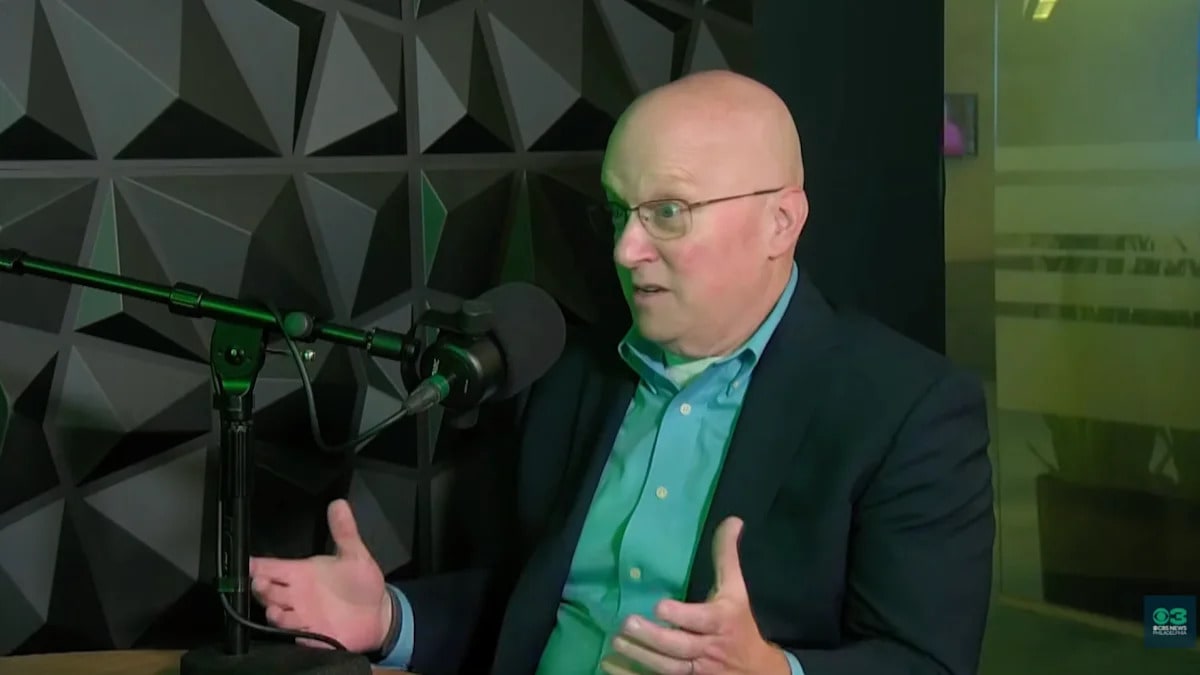
Vanguard strategist Harbron advocates for a fundamental mindset shift in retirement planning by focusing on goal setting and sustainable spending. The approach emphasizes four core principles to manage financial anxiety and ensure long-term security.
Rethinking Retirement: The Vanguard Framework
Retirement planning has historically been viewed through the lens of accumulation—saving as much as possible during one's working years. However, Vanguard strategist Harbron argues that once an individual transitions into retirement, a 'complete mind shift' is necessary. This shift moves the focus from growth-centric strategies to the complexities of decumulation, where the priority becomes managing income streams to last for the duration of one's life.
The Foundation of Financial Security
At the core of Harbron’s advice is the establishment of a robust financial foundation. He emphasizes that retirement success is predicated on setting clear, actionable goals, creating a disciplined spending plan, and ensuring that such a plan is sustainable. By proactively identifying risks that could potentially derail these plans—such as market volatility, inflation, or unexpected healthcare costs—retirees can better navigate the transition from a paycheck-based lifestyle to one supported by personal savings.
Integrating the Four Principles
Harbron’s methodology centers on four specific principles designed to alleviate the financial anxiety often associated with post-career life. These principles are intended to provide clarity on what an individual wants their retirement to look like and how they will fund those aspirations. By defining the 'what' and the 'how,' retirees gain the psychological security necessary to enjoy their time without the constant fear of outliving their assets.
Navigating Spending Strategies
One of the most debated topics in retirement planning remains the method of withdrawal. While industry standards like the '4% rule' have long served as a baseline for safe withdrawal rates, Harbron acknowledges the diversity of thought in this area, including the concept of dynamic spending. This flexibility allows retirees to adjust their lifestyle based on market conditions, ensuring that spending remains sustainable regardless of economic fluctuations.
Implications for Future Trends
As life expectancies increase and traditional pension structures continue to decline, the responsibility for retirement security has shifted almost entirely to the individual. Harbron’s emphasis on a 'mind shift' reflects a broader trend in financial advisory services: moving away from product-pushing toward comprehensive, goal-based financial planning. Future retirees will likely need to adopt these disciplined frameworks earlier in their planning cycles to maintain the same quality of life as previous generations.
Conclusion
Ultimately, the transition into retirement is as much a psychological challenge as it is a mathematical one. By adopting a structured approach that prioritizes sustainability and risk management, individuals can transform their retirement from a source of anxiety into a period of financial stability. Vanguard's guidance serves as a critical reminder that while market strategies are important, the foundation of a successful retirement rests on the clarity and discipline of the retiree's own planning.