Tribal people from hamlet in Keralam’s Malappuram live in makeshift sheds seven years after flood
Source Entity
India Latest News: Top National Headlines Today & Breaking News | The Hindu
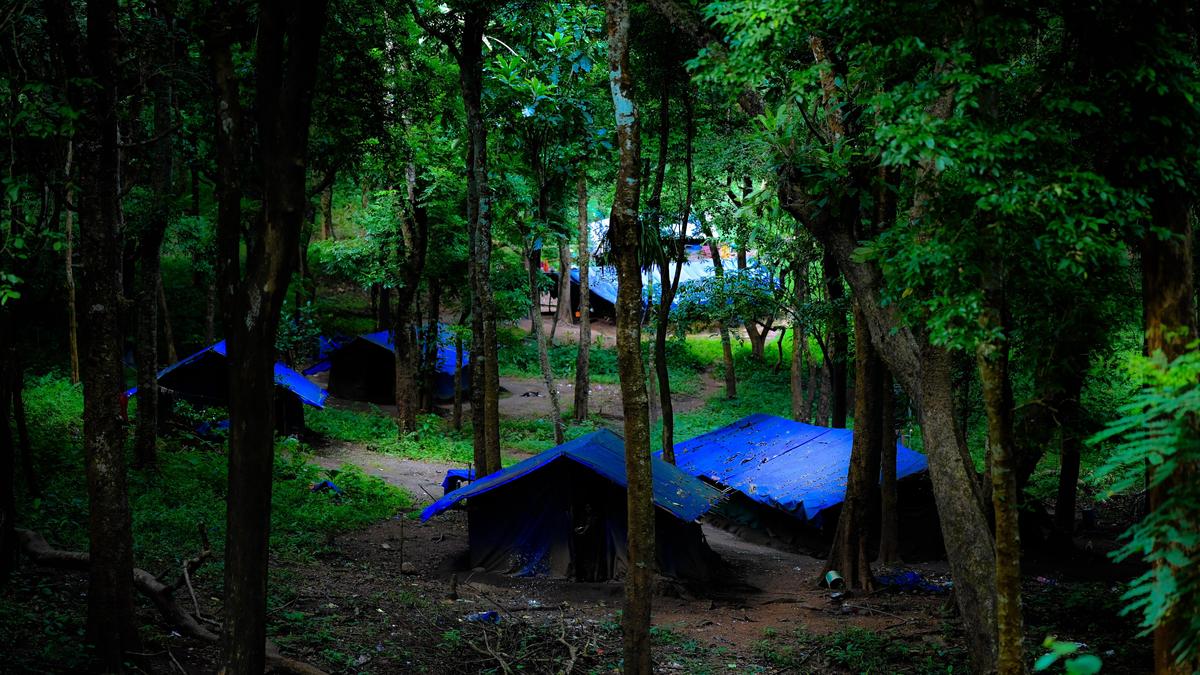
Seven years after the devastating 2019 floods, 26 Paniya tribal families in Kerala's Malappuram district remain displaced, living in makeshift plastic shelters. The community continues to struggle with a lack of basic infrastructure, safety, and permanent housing.
The Lingering Crisis of Vaniyampuzha: A Seven-Year Displacement
On August 8, 2019, the Vaniyampuzha tribal hamlet in Kerala’s Malappuram district faced a catastrophic environmental event. As the Chaliyar river surged, it rapidly breached its banks, forcing the Paniya tribal families to flee into the surrounding forest to save their lives. In the aftermath of this deluge, the hamlet was not only rendered uninhabitable but the critical infrastructure linking them to the mainland—the bridges—was entirely destroyed. Seven years later, this event remains a stark example of a recovery process that has failed to materialize for the most vulnerable.
Life in the Shadow of Neglect
Today, the reality for these 26 families is defined by the precariousness of their living conditions. Instead of permanent homes, they reside under makeshift plastic sheets that offer little protection against the elements. The lack of basic utilities, most notably electricity, forces these families to live in total darkness once the sun sets. This absence of infrastructure is not merely an inconvenience; it is a fundamental violation of their rights to safety and dignity, turning a temporary emergency measure into a long-term, systemic failure.
The Perils of the Forest Frontier
Beyond the lack of shelter and power, the inhabitants of the current makeshift settlement face constant threats from the surrounding wilderness. The forest that once served as their refuge from the flood has become a source of daily danger, with elephants frequently traversing the area and leopards stalking domestic animals. The environmental reality of their current location highlights the total abandonment of this community, as they are left to survive in an area unsuitable for permanent human habitation without proper safeguards.
Sanitation and Socio-Economic Vulnerability
Perhaps the most distressing aspect of the Vaniyampuzha crisis is the lack of basic sanitation. Women in the settlement are forced to wait until after dark to venture into the bushes to relieve themselves, a practice that poses significant health risks and strips them of their privacy and safety. This degradation of living standards illustrates how displaced indigenous populations are often marginalized further in the wake of climate-induced disasters, as their specific needs are overlooked in broader reconstruction efforts.
Implications and Future Outlook
The plight of the Paniya families serves as a cautionary tale regarding disaster management and the long-term rehabilitation of indigenous communities in India. When infrastructure is destroyed, the failure to prioritize the rebuilding of tribal settlements perpetuates a cycle of poverty and exclusion. Without immediate government intervention to provide permanent, safe housing and essential services, these families remain trapped in a state of indefinite displacement. The future of this hamlet depends entirely on whether authorities can move beyond temporary relief and commit to the structural integration and protection of these displaced citizens.
Verification Required?